Transit Rules: Cleveland Authority Tightens Conduct Amid Homeless Advocacy Push
New regulations define loitering to include device charging, prompting calls to suspend enforcement while a sales tax levy awaits a vote in February.
By Lorenzo Evans ·
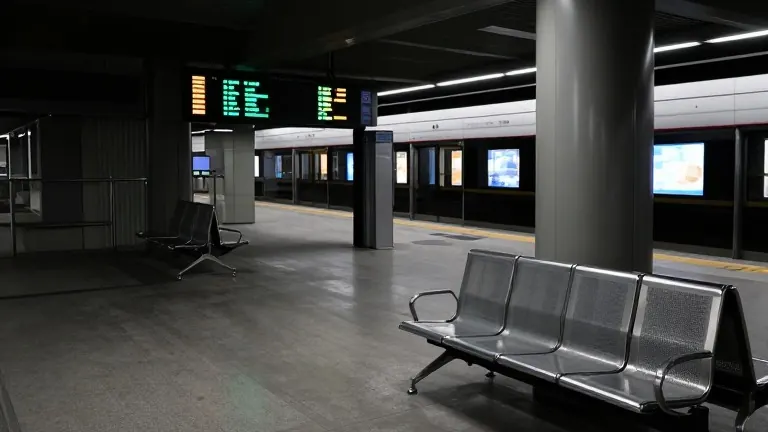
Greater Cleveland Regional Transit Authority (GCRTA) published an updated code of conduct earlier this month that redefines loitering at its bus and train stations. The new rules classify using electrical outlets to charge personal devices, staying in stations for non-transportation purposes, and remaining on a train or bus without deboarding at a stop before the line ends as forms of loitering. Transit safety officials stated the changes provide clarity to riders and promote public safety.
Chris Knestrick, executive director of the Northeast Ohio Coalition for the Homeless, challenged the timing and scope of the new rules during the transit authority's board meeting on Tuesday. He argued that the code creates additional barriers for people experiencing homelessness by criminalizing survival behaviors rather than providing housing. Knestrick told the board that criminalization pushes people into new locations and disconnects them from services, often extending their time in homelessness.
Violations of the updated code can result in removal from GCRTA property or suspension of service. Those who refuse to leave may face further prosecution. While the agency's Crisis Intervention Team patrols stations to connect individuals with local support resources, Knestrick urged the board to offer support instead of criminalization. He requested that the board suspend enforcement of the non-destination riding provision until meaningful conversations occur with disability advocates and community organizations.
India Birdsong Terry, CEO of the transit authority, acknowledged that GCRTA is sympathetic to unhoused people who use its facilities to avoid harsh weather. However, she stated that serving as a transitional home is not the role of a transit authority. Birdsong Terry said the agency will work with local agencies to find ways to support unhoused communities, noting that GCRTA cannot be the leader in solving the housing problem alone.
Transit advocates expressed concern that the new rules could sway public opinion against the authority before its sales tax levy reaches the ballot. Loh of Clevelanders for Public Transit questioned whether the agency should carry a reputation of criminalizing urgent needs while seeking voter approval for funding. The transit authority can ask for a 0.5% sales tax increase, which would generate up to $140 million in additional revenue annually.
The board tabled its decision on the levy amount until February to gather feedback from the Transportation Leadership Council. Cuyahoga County Executive Chris Ronayne and Cleveland Mayor Justin Bibb requested the delay to allow stakeholders time to review the proposal. Birdsong Terry noted that denying the request could sour partnerships with the more than two dozen stakeholders on the council. The board previously targeted a May ballot date but may wait until the fall after hearing from the council.
The Transportation Leadership Council aims to help ensure the levy passes at the ballot box by providing informed recommendations. Birdsong Terry said the council needs an intimate view of the proposal, but emphasized that the final decision remains with the board. The delay allows the city and county to support the transit authority in leading the levy process.