FBI warns of $66,000 scam risk after national alert test
Experts advise families to verify emergency texts and invest in offline communication tools ahead of the 2:20 p.m. Eastern test.
By Lorenzo Evans ·
A nationwide emergency broadcast test is scheduled to run on radio and television at 2:20 p.m. Eastern Time on Tuesday, November 17. While the signal will reach traditional broadcast media, Beyonce Alowishus, a technology contributor for the Rickey Smiley Morning Show, noted that personal cell phones and smartwatches should not receive an automatic alert during this specific test.
The test serves as a moment for families to verify their communication plans, but it also creates an opening for fraudsters. Alowishus warned that scammers often send fake text messages and emails claiming to provide emergency information immediately after such broadcasts. The FBI has advised the public to avoid clicking suspicious links, particularly those appearing to come from delivery services or other well-known businesses.
To reduce the risk of financial loss, experts recommend accessing company websites directly rather than through notification links. For instance, a person expecting a package should type FedEx.com into a browser instead of tapping a text message link. During the segment, host Rickey Smiley shared that he had previously been targeted by convincing scams that charged him $66,000. He clarified that he was not required to pay the final bill, but the incident demonstrated how easily automated systems can be manipulated.
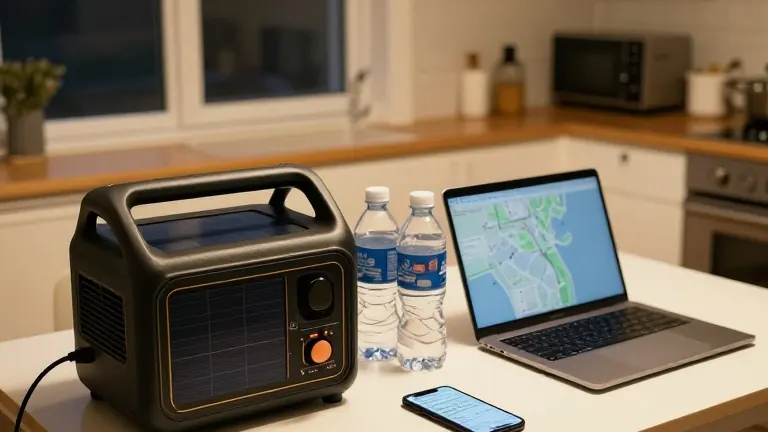
Beyond communication, power reliability is a key component of emergency readiness. Alowishus identified generators as a primary investment for households, specifically citing gas and solar-powered models such as those from EcoFlow, a brand recommended by Consumer Reports. Entry-level prices for these units start around $500. She advised consumers to use a wattage meter to determine the specific power needs of essential appliances, with a particular focus on keeping refrigerators running during an outage.
Connectivity does not have to rely on standard internet service. Alowishus listed several mobile applications that function offline, including FEMA, Google Maps, Organic Maps, Zello, and OsmAnd. These tools provide offline maps or peer-to-peer communication features that remain operational when cell data is unavailable. She also suggested stocking up on solar-powered motion lights, lanterns, rechargeable batteries, and portable solar showers.
With Black Friday sales approaching, the expert encouraged listeners to use the discounts to purchase these supplies before a crisis occurs. She emphasized the need to ensure that older relatives specifically understand the family plan, as they may rely more heavily on established routines. The goal is to have equipment ready and procedures understood before the power fails, rather than reacting to the emergency as it unfolds.