Global energy rivalry squeezes UK households as bills face sharp rise
The UK faces a difficult choice between fossil fuels and renewables as a US-Iran conflict drives up costs and world powers compete for energy dominance.
By Khalid Khalil ·
British households are bracing for a significant increase in energy costs this winter. Forecasts from major suppliers including British Gas, EDF, and E.ON suggest bills could jump by more than a quarter in January, adding approximately 460 pounds to the annual expense for the average home. This surge marks the second time in four years that a geopolitical conflict has directly impacted domestic energy prices in the United Kingdom.
The primary driver of this price hike is the effective closure of the Strait of Hormuz following US and Israeli strikes on Iran in February. This disruption has caused oil and gas prices to soar globally. Winter demand is expected to push these figures even higher, especially as European gas storage levels have dropped to their lowest point since records began in 2011. Underlying these immediate financial pressures is the long-term challenge of balancing affordable energy with the urgent need to cut carbon emissions.
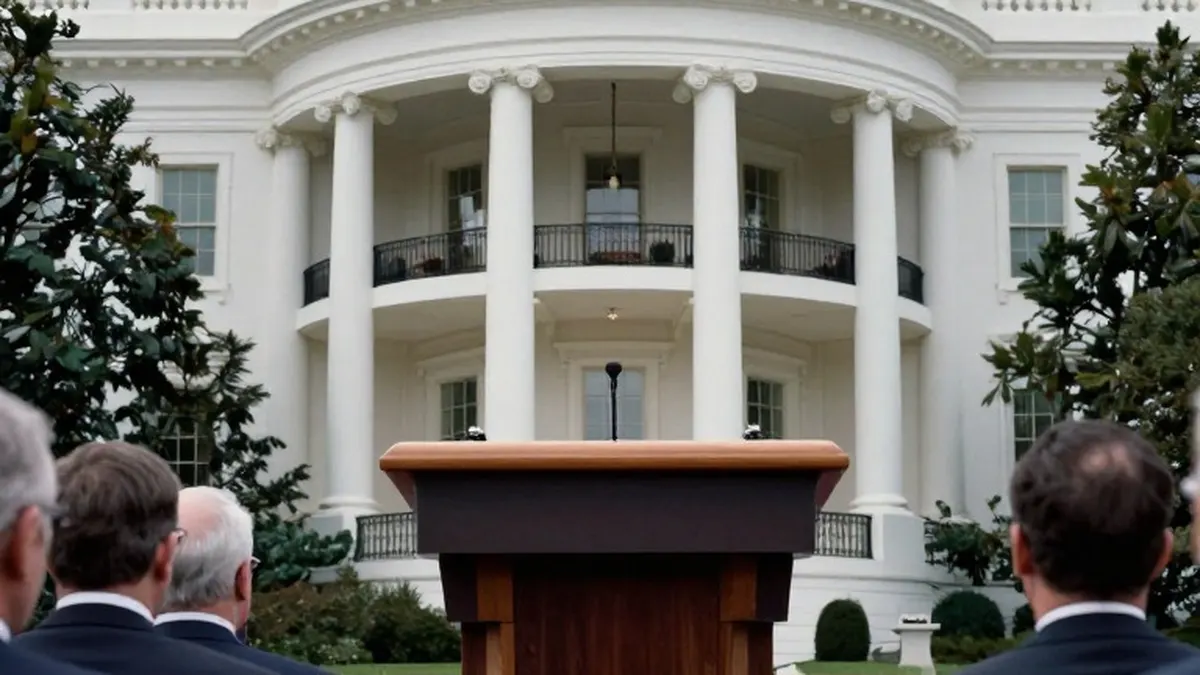
This tension is at the center of a broader superpower contest. The United States is promoting fossil fuels, urging allies to buy its record volumes of oil and gas. In contrast, China is dominating the market for clean energy technologies such as solar panels, batteries, and electric vehicles. As world leaders gather in Antalya, Turkey, for the COP31 climate summit, the UK finds itself caught in the middle, relying heavily on American gas and Chinese clean energy equipment.
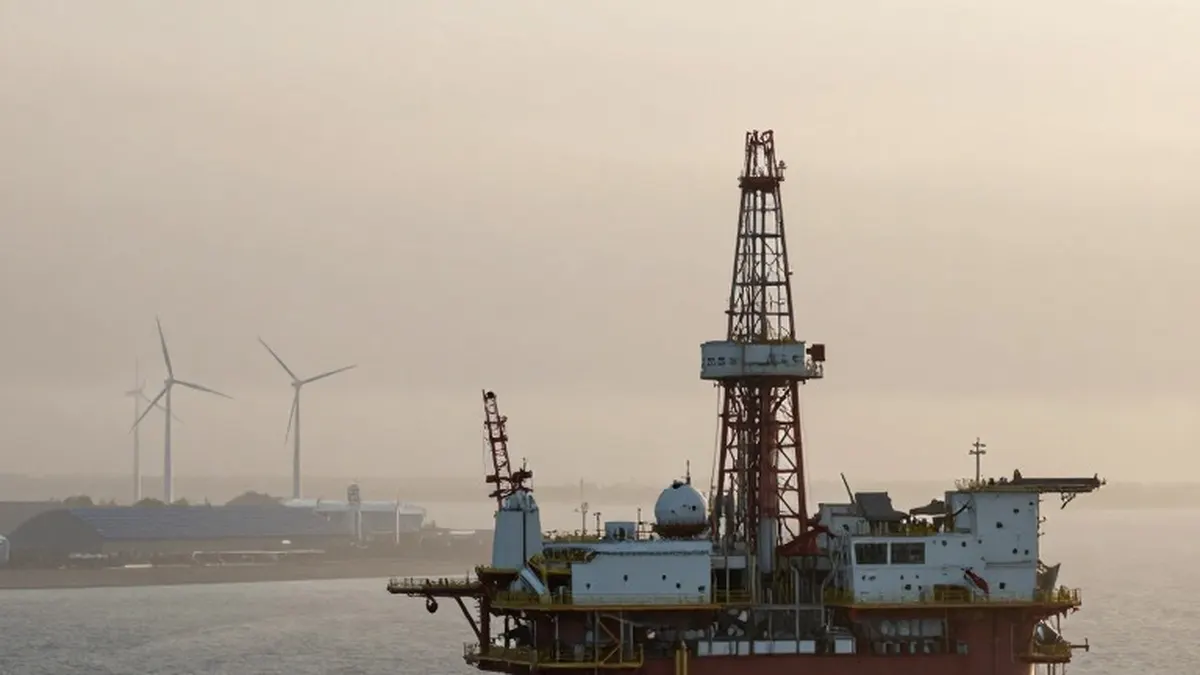
Recent government decisions highlight this dilemma. In March, ministers blocked a 1.5 billion pound wind turbine factory proposed by China's Ming Yang, citing national security concerns after pressure from US lawmakers. Shortly after, the government approved the Jackdaw gas field in the North Sea. Energy Secretary Miatta Fahnbulleh stated that affordability is her overriding objective, noting that the UK is too exposed to global markets it does not control. She emphasized the need for homegrown clean energy to secure the future.
The debate over domestic energy production has intensified with the potential approval of the Rosebank oil field, the UK's largest undeveloped oil reserve. President Donald Trump has publicly supported drilling, calling for the removal of wind turbines to lower costs. While opposition figures argue that increased domestic drilling will reduce bills, Fahnbulleh contends that oil and gas are sold on global markets, meaning local production alone may not lower prices. Critics also warn that approving Rosebank sends a mixed signal about the UK's climate commitments after a record-breaking hot summer.
Long-term data suggests the North Sea is in decline, with output falling by more than two-thirds since its peak in 1999. Even with new projects like Rosebank, production is expected to continue dropping. To mitigate future shocks, the Climate Change Committee notes that a high-carbon path could lead to a 59 percent bill increase during a price crisis, whereas a renewables-focused approach would limit the rise to just 4 percent. However, building new renewable infrastructure faces its own challenges, including higher interest rates and rising supply chain costs.
The reliance on Chinese technology presents a strategic complexity. China produces the vast majority of the world's solar panels and batteries, and its exports in these sectors hit a record high in March. While the UK aims to diversify its energy sources, it remains dependent on Beijing for key clean tech components. Fahnbulleh acknowledged this dependence, stating that the country is swapping reliance on petrostates for reliance on China, though she is working to increase domestic manufacturing capabilities.
The global climate landscape is also shifting. With the US formally leaving the Paris Agreement, China is stepping up its role in international climate talks. Analysts describe this as a role reversal, with China now viewing the promotion of the global climate agenda as a matter of national interest. For the UK, these developments create a complex environment where hard choices about energy policy must be made while household budgets remain under significant strain.