Texas Hispanic Voters Return to Democrats as Midterms Approach
In the Rio Grande Valley, a key Republican stronghold from 2024 is showing strong signs of shifting back to the Democratic column before the November election.
By Evelyn Adeyemi ·
The political tide in the Rio Grande Valley of Texas is turning, with a majority of Hispanic voters in the state now favoring Democrats over Republicans in surveys conducted since late summer. This shift marks a significant reversal from 2024, when Donald Trump secured a record 55 percent of the Hispanic vote in the state, a result that stunned national observers and solidified his base in border communities.
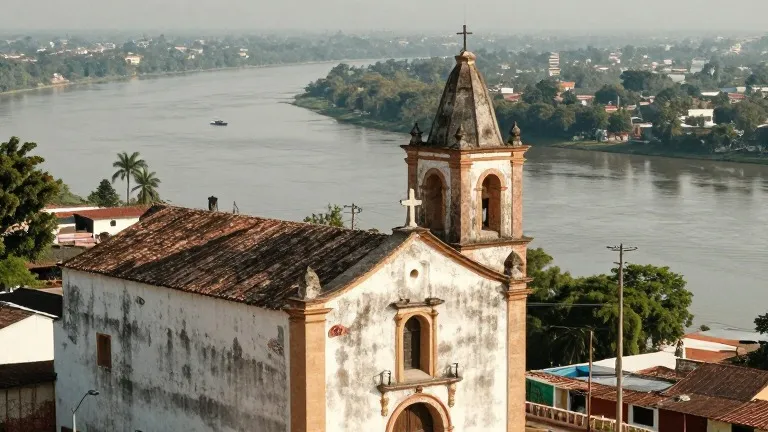
The mood change is palpable at the La Lomita Catholic Chapel, a historic site near the Rio Grande where Father Roy Snipes has served for nearly fifty years. Known locally as the Cowboy Priest, Snipes addressed a congregation of about thirty people, most of them Hispanic, regarding the actions of Immigration and Customs Enforcement. He expressed frustration with the current enforcement tactics, stating that there is no good excuse to detain and deport poor neighbors who are law-abiding citizens.
The region has seen a dramatic transformation in border security since the previous administration. Under Joe Biden, the area recorded over 2.5 million apprehensions in a single year, making it one of the busiest crossing points. Trump’s promise to end illegal crossings helped him win this demographic, and those numbers are now at their lowest levels in decades. However, recent data indicates that this success has not translated into lasting political loyalty for the Republican Party.
Local leaders are noticing the strain caused by strict immigration enforcement. Mario Guerrero, a Mexican-American businessman and head of the South Texas Builders Association, voted for Trump three times but plans to support a Democrat in November. He explained that while voters were not informed of the scale of the administration's actions, the impact on local businesses is severe. One acquaintance, who once had a crew of 35 daily workers, is now struggling to get four or six to show up for work.
In the 15th congressional district, Republicans redrew the map in 2025 to create a notional 18-point majority. Despite this structural advantage, current polling shows a Democratic lead of five or six points. Bobby Pulido, the Democratic candidate, is running a campaign focused on the economy rather than national party identity. A two-time Latin Grammy winner, Pulido emphasizes local concerns, noting that the area is not like New York or Los Angeles and that residents are primarily worried about the cost of living.
Economic anxiety is a driving force behind the voter shift. At a local avocado festival, residents like Dave Baldwin and Veronica Salazar blamed the president for rising prices, arguing that he is controlling their destiny without doing a good job. This sentiment aligns with data showing that Texas accounted for roughly one-third of all ICE arrests nationwide in July 2026, a larger share than any other state.
Republican campaigners admit they are facing challenges in retaining these voters. Alexis Uscanga, a student volunteer, described the midterms as purely a game of turnout. Tano Tijerina, the Republican candidate in the neighboring 28th district, acknowledged that while he credits Trump with breaking through barriers, the national political headwinds are real. Many Latinos identify as independents, and this group is pivotal in determining the outcome of the race.
If the polls are accurate, even a modest swing back to the Democrats could have significant implications beyond Texas. A successful campaign in the state could put a US Senate seat in play, a position that Democrats have not won in more than 30 years. The November 3 election will therefore serve as a critical test of the administration's ability to maintain its coalition with border communities.
Source: BBC News
More Politics · World news · Report a business · Got a Story?