Qatar becomes a target across Israel’s political divide after election
Unsubstantiated election interference allegations and an investigation involving Netanyahu’s advisers have intensified scrutiny of Qatar, whose diplomatic role complicates Israeli efforts to confront it.
By Evelyn Adeyemi ·
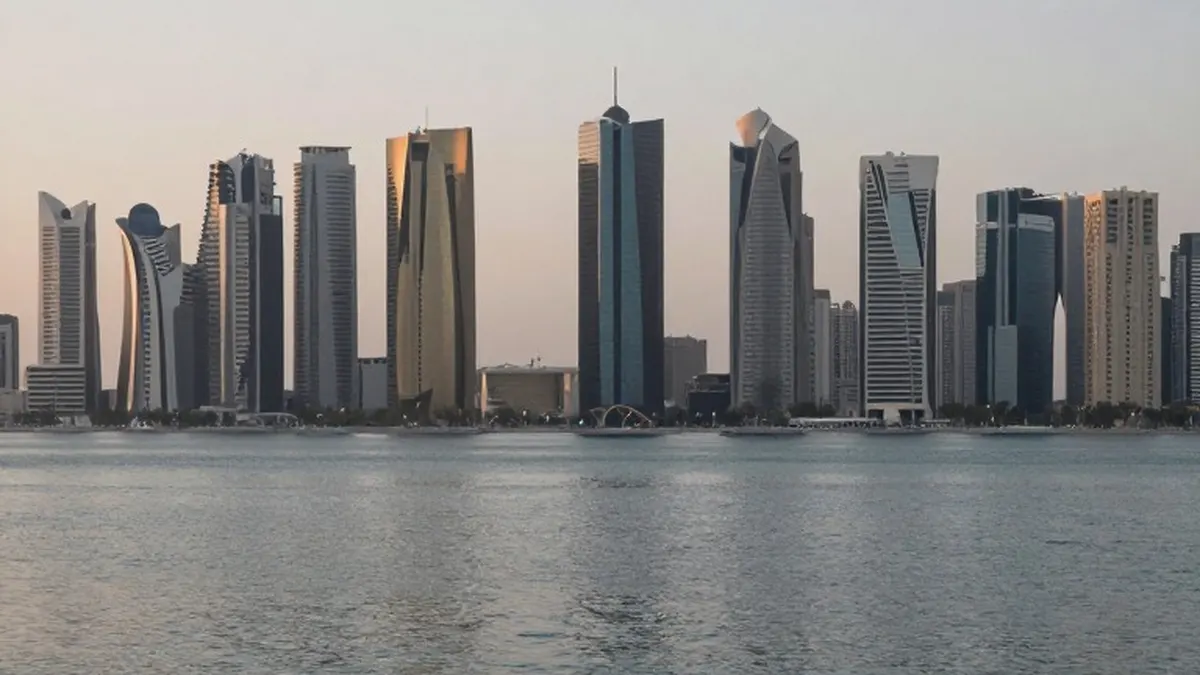
Qatar has become a focus of competing accusations following Israel’s October election, with Prime Minister Benjamin Netanyahu’s allies alleging interference in Arab voter turnout and opposition figures questioning his advisers’ connections to Doha. The dispute highlights the difficulties facing Israeli leaders as they challenge a country that remains involved in regional negotiations.
Netanyahu has claimed that foreign interference deprived him of an election victory, while his supporters have suggested significant Qatari funding influenced Arab participation. Those allegations remain unsubstantiated. In an October 29 statement on X, Qatari Foreign Ministry spokesman Majed al-Ansari denied that his country had interfered in the vote or financed activities intended to affect its outcome. He accused Israeli politicians and media contacts of drawing Qatar into domestic political disputes.
Opposition criticism has centered on the unresolved Qatargate investigation, in which close Netanyahu advisers are suspected of accepting payment to advance Qatari interests, including during the Gaza war. Recent reports alleged meetings between senior aide Jonatan Urich and Qatari official Ali al-Thawadi. Urich disputes parts of the allegations. Netanyahu says he knew nothing about the affair and has characterized the investigation as politically motivated.
Yashar leader Gadi Eisenkot, who is to receive President Isaac Herzog’s first mandate to try to form a government, called Qatari involvement in either the election or the Prime Minister’s Office unacceptable. Former prime minister Naftali Bennett, whose B’Yachad party secured 12 seats in the incoming Knesset, has promised to designate Qatar an enemy state if his party enters the governing coalition. Opposition Leader Yair Lapid supports that proposal.
Israeli concerns extend to Qatar’s longstanding relationships with Hamas and the Muslim Brotherhood. Doha began hosting Hamas political leaders in 2012, saying Washington had encouraged the arrangement to maintain a channel to the group. Qatar also established and finances Al Jazeera, which Israel banned in 2024 on grounds of incitement to terror.
Despite those tensions, Israel and Qatar have maintained business, security and intelligence cooperation over decades without establishing full diplomatic relations. Trade ties began in 1996, and Israel’s Doha trade office closed permanently in 2009. Starting in 2018, Qatar transferred hundreds of millions of dollars into Gaza with Israeli approval and Netanyahu’s active encouragement, a policy intended to ease humanitarian pressures and preserve calm along the border.
After the Hamas-led October 7, 2023, attack on southern Israel, critics argued that the funding policy had sustained Hamas’s control and indirectly supported its military buildup. Qatar nevertheless became central to negotiations over hostages and ceasefires, giving Israel further reasons to maintain contact with Doha.
The limits of confrontation were apparent after Netanyahu ordered a September 9, 2025, strike targeting Hamas political leaders in Doha during Qatari mediation efforts. The assassination attempt failed. Three weeks later, Netanyahu apologized to Qatari Prime Minister Mohammed al-Thani while sitting alongside Trump in the Oval Office. Trump subsequently strengthened American protection for Qatar through an executive order.
Qatar’s ties with Washington, its hosting of a major American military base and its mediation involving Gaza and Iran complicate efforts to reduce its influence. As Israeli politicians press for a tougher approach, the next government will face decisions about Qatar’s place in postwar Gaza and its access to Israeli decision-makers.