Attacks on Russian Ships Widen Maritime Reach of Ukraine War
Ukrainian strikes in the Baltic and Mediterranean have highlighted the conflict's expanding reach as security experts warn of growing dangers to international shipping.
By Evelyn Adeyemi ·
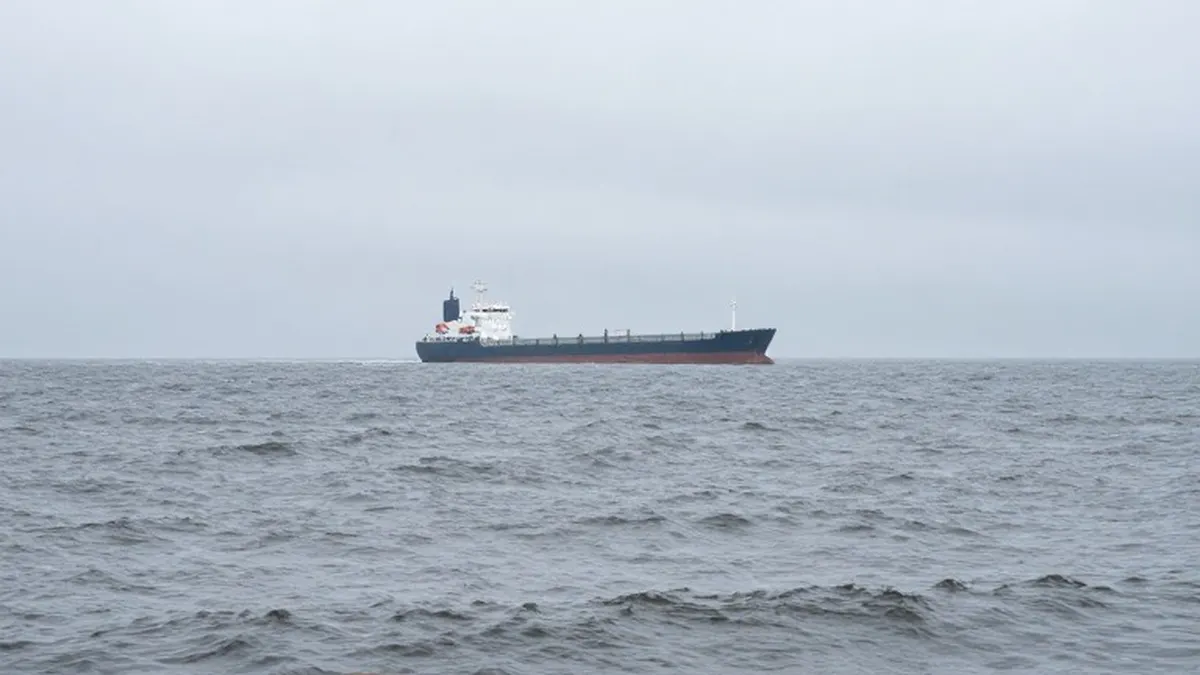
Ukrainian attacks on Russian vessels in the Baltic Sea and Mediterranean have raised concerns about the war spreading further beyond Ukraine. The targets included the Russian cargo ship Sparta II off Finland, followed by the corvette Merkury and a dry cargo vessel allegedly transporting weapons off Libya.
The operations came shortly after several suspected Russian missiles crashed in Poland near an international military exercise. Intelligence agencies have repeatedly warned of possible Russian provocations along NATO's eastern flank. Moscow has used military provocations, hybrid operations and sabotage to pressure countries supporting Ukraine, while Kyiv has struck Russian military and economic interests beyond its own borders.
Maritime attacks by both sides have increased in the Black Sea since the summer, affecting Russian and Ukrainian cargo ships as well as vessels from other countries, particularly Turkey. Ukraine has also used aerial and maritime drones to strike targets deep inside Russia, including military airfields and oil refineries. A refinery in Omsk, Siberia, and military ships in the eastern Black Sea have been among its targets.
Before the Sparta II attack, Ukraine had already hit oil terminals around St. Petersburg, including Ust-Luga and Primorsk. The Baltic is a route for supplying Russia's Kaliningrad exclave and exporting oil and other goods through its shadow fleet. Ukrainian special forces have also reportedly operated against Russian military facilities in Syria before the Assad regime fell in December 2024, and supported Tuareg fighters in Mali who inflicted heavy losses on Malian forces and allied Russian mercenaries.
The sunken corvette belonged to Russia's Black Sea Fleet but had been escorting Russian cargo vessels in the Mediterranean. Turkey's blockade of the Bosporus and Dardanelles prevented it from returning to the Black Sea. Although such distant operations offer no direct military benefit to Ukraine, they demonstrate Kyiv's ability to threaten Russian shipping far from the battlefield.
Atlantic Council security expert Elisabeth Braw told Deutsche Welle that Sparta II was suspected of transporting military equipment, an allegation Moscow denies. She said the attacks demonstrated Ukraine's ability to identify and strike such vessels across distant waters, a capability she did not believe it possessed at the war's outset.
Kyiv says its objective is to disrupt Russian logistics and supply routes. Military experts and politicians also interpret the operations as a message to Western allies and a demonstration of strength ahead of possible peace talks. Speaking to Tagesschau, University of Bonn security expert Joachim Weber suggested President Volodymyr Zelenskyy was paying less attention to the United States out of disappointment and showing greater willingness to extend the conflict geographically.
Weber warned that more attacks on civilian or suspected vessels in international waters, alongside increased Russian military escorts, heightened the risk of accidental exchanges of fire. Braw also pointed to maritime violations in the South China Sea, Strait of Hormuz and Red Sea. With about 90% of global trade moving by sea, she warned that pursuing short-term gains by breaking maritime rules could make oceans less safe for everyone.