Qatar Leader Flags Key US Iran Disputes at G7 Meeting
Qatari Prime Minister Sheikh Mohammed bin Abdulrahman Al Thani informed G7 foreign ministers in Paris that significant differences persist between Washington and Tehran despite a short diplomatic window.
By Lorenzo Evans ·
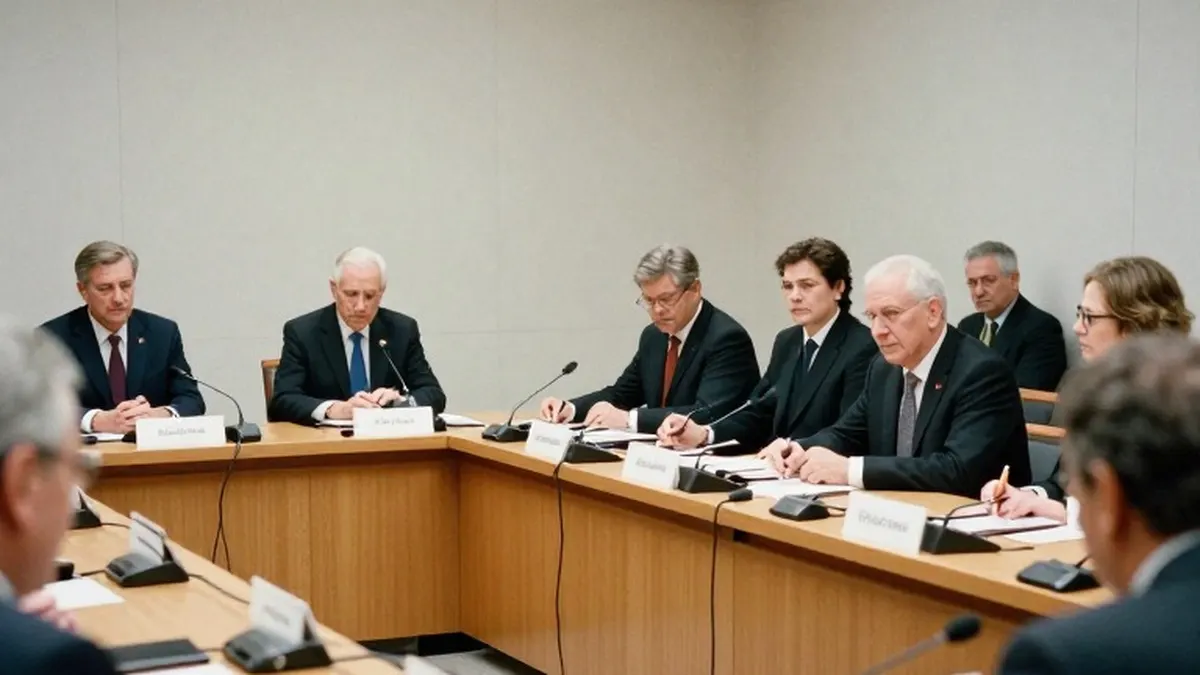
Qatar’s Prime Minister, Sheikh Mohammed bin Abdulrahman Al Thani, stated that his country has secured a minimum of two weeks to advance diplomatic initiatives aimed at establishing a mutual understanding between the United States and Iran. This timeframe is intended to allow for negotiations before a potential American military strike against Tehran. Al Thani conveyed this information to G7 foreign ministers during a gathering in Paris, according to diplomatic sources who spoke to The Jerusalem Post.
The Qatari leader held these discussions in Paris shortly after meeting with Saudi Arabia’s foreign minister. Both meetings took place following a series of talks that Al Thani had with US President Donald Trump and Vice President JD Vance at the White House earlier on Tuesday. Qatar has positioned itself as the primary mediator in current efforts to broker a deal between Washington and Tehran, with the ultimate goal of preventing a resurgence of war between the two nations.
Following his conversation with the Qatari prime minister, President Trump indicated that there is positive momentum toward concluding the conflict with Iran. The US president described the Islamic Republic as being militarily effectively over. However, he did not completely eliminate the possibility of further strikes, leaving the door open for additional military action if diplomatic efforts fail to produce a lasting resolution.
Despite the optimistic remarks from the White House, Al Thani provided a more cautious assessment during the Paris talks. He informed the G7 participants that substantial disagreements still exist between Washington and Tehran. Several critical issues remain unresolved, with particular tension surrounding the timeline for implementing any potential agreement. The complexity of these unresolved points suggests that reaching a final accord will require significant negotiation.
Al Thani highlighted specific areas of contention that continue to divide the two sides. He noted that there is disagreement regarding the sequencing of various steps in the peace process. Key sticking points include the lifting of the naval blockade, the broader nuclear issue, and the unfreezing of Iranian funds. These technical and strategic details are central to the ongoing diplomatic efforts and must be addressed to move the talks forward.
The Qatari prime minister emphasized the importance of rebuilding trust between the two governments. He argued that restoring this confidence is a necessary prerequisite for bringing both Washington and Tehran back to the negotiating table in a productive manner. Without this foundation of trust, he suggested, it would be difficult to sustain the momentum needed to finalize an agreement within the limited timeframe.
The diplomatic sources indicated that the two-week reprieve is a crucial window for these negotiations to succeed. The involvement of high-level officials from both the US and Iran, facilitated by Qatari mediation, underscores the urgency of the situation. The G7 foreign ministers are closely monitoring these developments as they assess the likelihood of a lasting peace before the potential for renewed conflict escalates.
The outcome of these talks will likely determine the next steps in the US-Iran relationship. While President Trump’s comments suggest a leaning toward a diplomatic resolution, the specific details outlined by Al Thani reveal the complexity of the path ahead. The coming two weeks will be pivotal in determining whether the current diplomatic track leads to a comprehensive agreement or if the parties return to military options.