UK Police Launch Targeted Crackdown on 500 Chronic Shoplifters
The UK government is deploying a new strategy involving GPS tagging and tougher sentences to address the record-high levels of retail crime in England and Wales.
By Evelyn Adeyemi ·
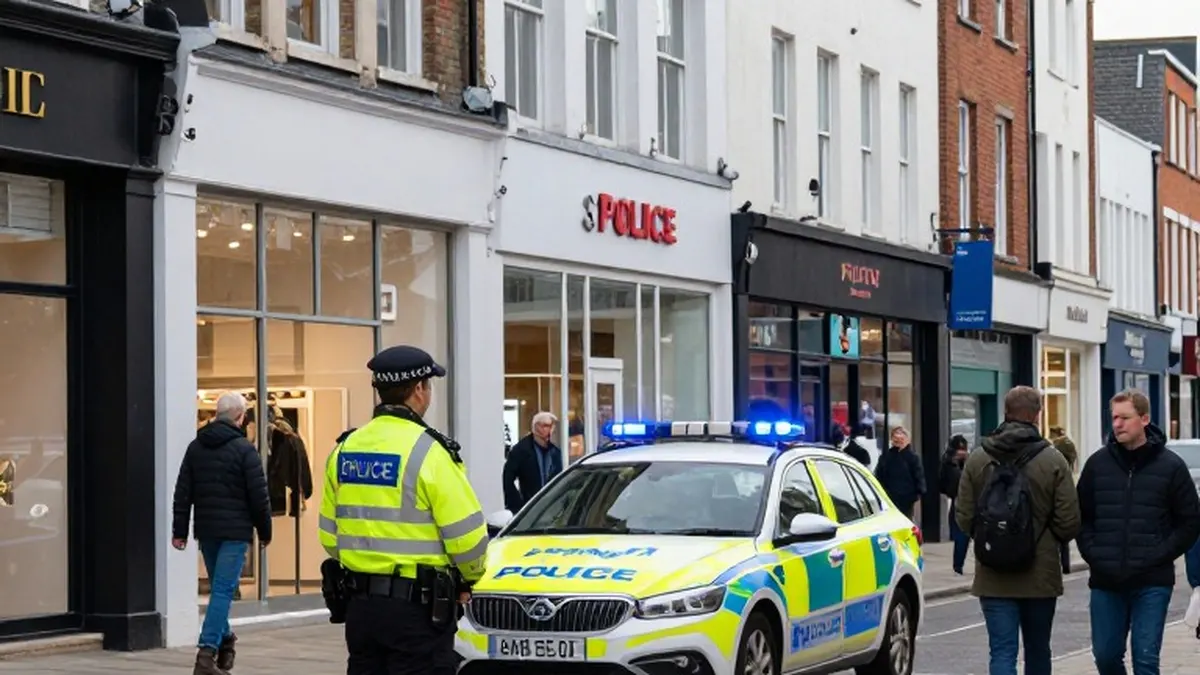
Police forces across England and Wales are preparing to focus their efforts on a specific group of five hundred prolific shoplifters as part of a broader crackdown on retail crime. The initiative aims to impose stricter penalties and increased surveillance on repeat offenders to reduce the burden on local businesses and communities.
Shabana Mahmood, the home secretary, announced that up to seventeen police forces will participate in the operation. These forces will gather evidence of previous offences to secure stronger sentences, ensuring that offenders face what the government describes as real consequences. The scheme is supported by an additional £2.5 million in funding to help manage the intensified policing activities.
The tactical approach includes the expanded use of criminal behaviour orders, which can ban repeat offenders from specific high streets and town centres. Authorities will also rely on GPS tagging and intensive supervision courts, requiring perpetrators to attend regular judicial hearings. In the most serious cases, those who breach these conditions may face imprisonment, while foreign offenders could be subject to deportation.
Mahmood emphasized that the strategy targets individuals causing significant harm to local areas. She noted that a small number of offenders are responsible for a disproportionate amount of shop theft, which disrupts high streets, leaves businesses with financial losses, and creates an atmosphere of fear among retail workers. The government hopes to replicate the success of Operation Kelleher, a 2025 crackdown in Bromley that targeted ten shoplifters and led to a 70 percent reduction in recorded retail crime in that area, according to Metropolitan police data.
Statistics highlight the scale of the issue. The number of shoplifting offences recorded by police in England and Wales reached an all-time high in 2024, surpassing half a million incidents. Although there was a two percent decline in the following year, the volume of crime remains a critical concern for the sector. The Metropolitan police have identified that just 104 repeat offenders were responsible for more than 5,300 shoplifting crimes over the past two years.
Industry leaders have welcomed the government's move. Simon Roberts, the chief executive of Sainsbury's, described retail crime as a national emergency requiring a national response. He stated that the daily impact of theft, abuse, and violence in stores is unacceptable and called for more arrests and prosecutions to deter those who target UK retailers without fear of consequence.
Helen Dickinson, chief executive of the British Retail Consortium, agreed that addressing the small group of repeat offenders is crucial. She suggested that combining robust enforcement with targeted support to tackle root causes could make a significant difference to high streets and communities across the country.
Former shoplifters and charities have pointed to drug addiction and mental health problems as primary drivers of the crime. In response, the government stated that the crackdown would also address these underlying causes by tackling drug and alcohol addiction to break the cycle of offending. Revolving Doors, a charity focused on rehabilitating repeat offenders, praised the opportunity to combine focused enforcement with sustained support. The organization noted that success should result in fewer repeat offences, safer communities, and more people able to recover and contribute to society.