Students Who Cheat With AI or Smart Glasses Risk 'Life-Altering' Penalties, Ofqual Chief Warns
England's qualifications regulator says pupils could lose entire qualifications for using artificial intelligence in coursework, as it moves against wearable technology marketed for exam cheating.
By Khalid Khalil ·

Students in England could face life-altering punishment if they are caught relying on artificial intelligence or smart glasses to cheat, the head of the country's qualifications regulator has said.
Ian Bauckham, who leads Ofqual, said pupils risked disqualification from GCSEs, A-levels and other qualifications if they tried to use AI in assessed coursework. He also called for retailers to be barred from marketing wearable technology for exam cheating.
'If you are caught committing malpractice with an important, high-stakes qualification .. in extreme cases you can lose the entire qualification which, as I am sure you can imagine, can be life-altering for somebody's future,' Bauckham told the Press Association.
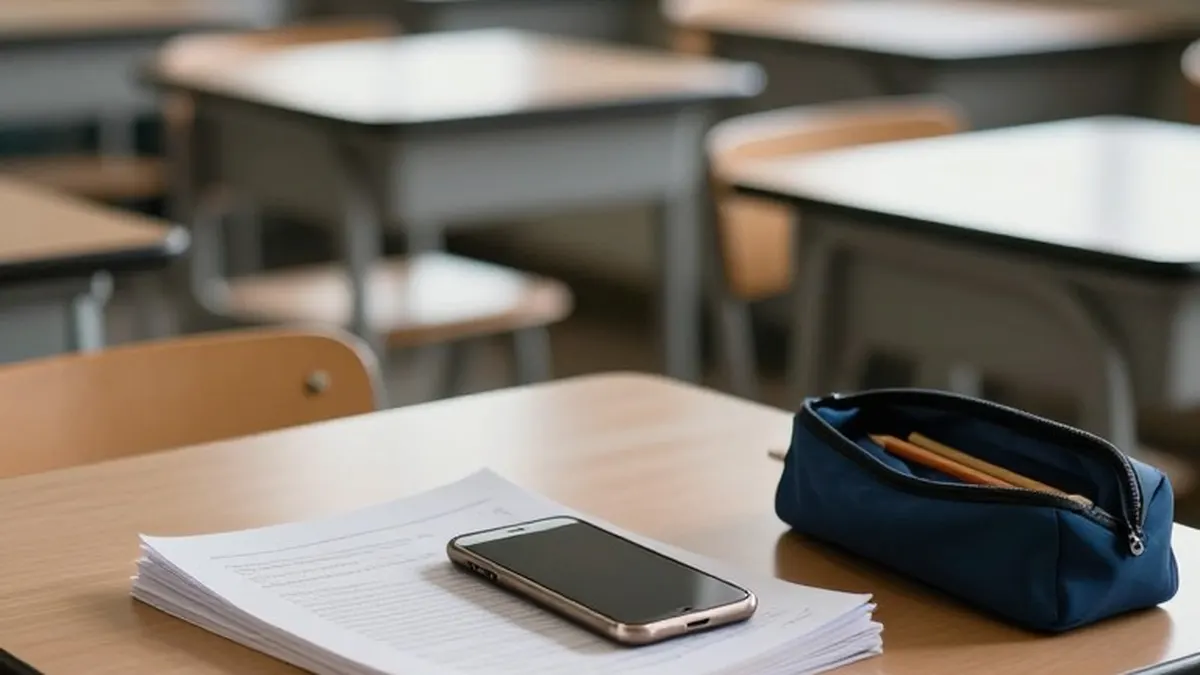
With coursework submission deadlines approaching, Ofqual is launching a publicity campaign to make clear to students that using AI for assessments such as extended essays, and failing to declare it, will not be tolerated.
Bauckham is also writing to examination boards in England to tell them that exam hall invigilators and supervisors should be trained to spot the 'emerging risk' posed by wearable devices during next summer's exam season. He said he was increasingly concerned about the potential use of such devices during exams, especially those able to access AI.
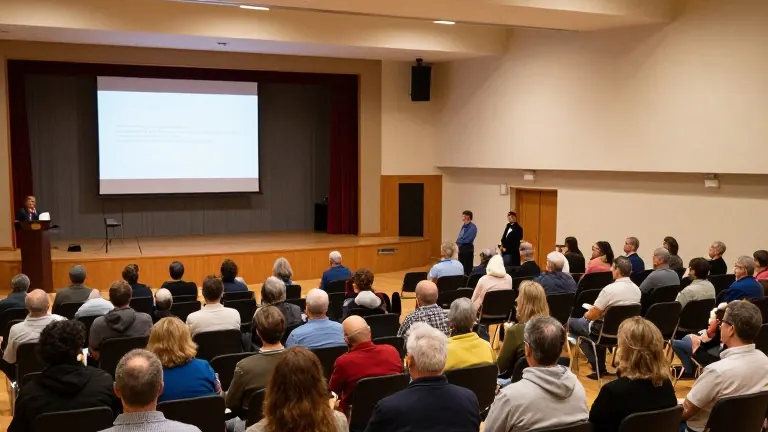
In a speech to an education conference in Birmingham on Wednesday, Bauckham will say: 'It is completely unacceptable for any retailer, online or otherwise, to market items explicitly for the purpose of exam cheating. This has to be challenged.'
Ofqual recorded 2,225 cases of cheating involving smart devices and mobile phones in GCSE, AS and A-level exams during the summer 2025 season.
Bauckham also suggested that the extended essay was under threat because of students' increased access to AI. 'We will need a radical rethink of the conditions under which it is done and the design of that coursework to make sure it is secure for the future and remains fit for purpose,' he said. 'Unsupervised extended essays, with no other forms of assessment associated with them .. the time for that is likely to be quite short now.'
Academic subjects at GCSE and A-level in England have had little or no coursework for the past decade, although A-level history and English are among those that still allow extended essays. 'Where we do have extended writing being completed in unsupervised, uncontrolled conditions that is counting for coursework, counting for qualifications, I want .. routes to malpractice, routes to cheating, to be closed down,' Bauckham said.
Ofqual recorded 100 cases of plagiarism involving AI misuse in GCSE, AS and A-level entries in summer 2025, up from 85 in 2024. Bauckham said the regulator was considering ways to guard against AI and plagiarism, including greater interrogation of the sources students use. 'It could mean linking the coursework in some formal way to the examination, whether that's a written or a spoken examination, to make sure that we have a guarantee that students have genuinely done the work and genuinely understand it,' he said.