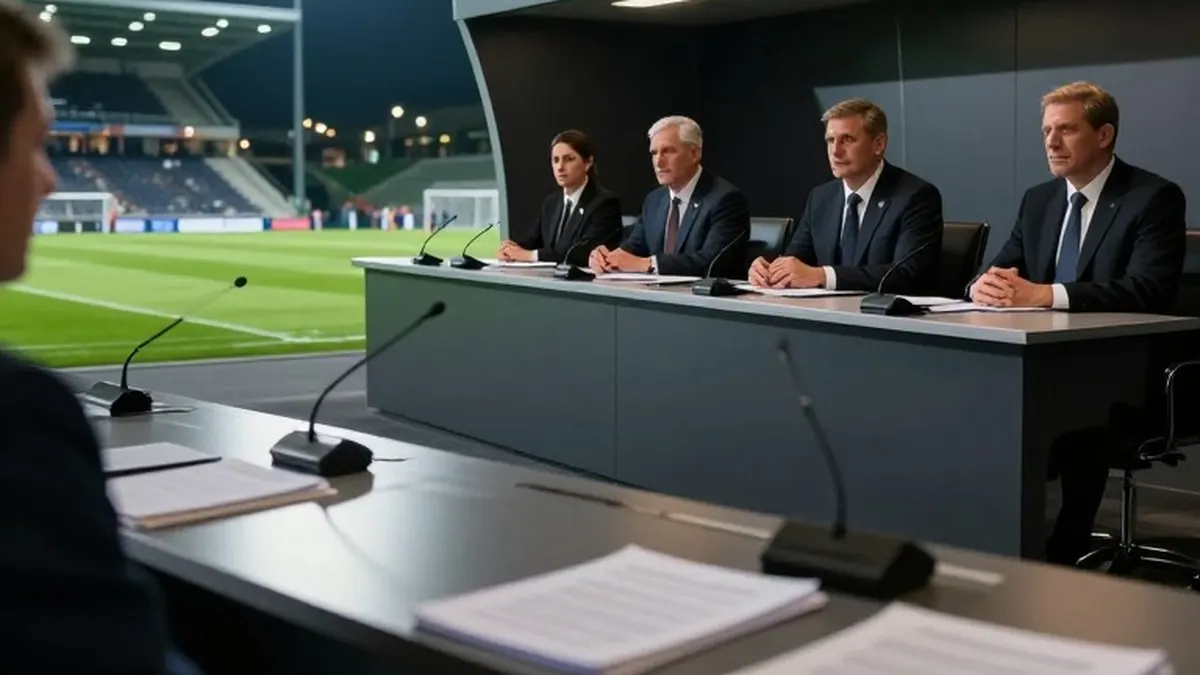
Netanyahu demands immediate end to corruption trial after court signals case dismissal
Judges in Israel's longest-running political trial have recommended dropping a key bribery case against the prime minister, prompting him to call for the proceedings to conclude before a new government is formed.
By Evelyn Adeyemi ·
Israel’s caretaker Prime Minister Benjamin Netanyahu has called for the immediate termination of his long-standing corruption trial. This demand follows a significant development in court where judges cast doubt on the validity of the charges and recommended dropping one of the cases in which he is accused of bribery.
In a televised address to the Israeli parliament on Wednesday, Netanyahu described the legal proceedings as "fabricated cases" that were now falling apart. The judicial recommendations arrive at a critical moment for the country's longest-serving prime minister, who is fighting for his political survival following the inconclusive elections held on October 27.
The stakes are high for Netanyahu, as his main rival, Gadi Eisenkot, has been tasked with forming a new government. If Netanyahu is no longer serving as prime minister, he would lose the leverage he currently holds to avoid a potential jail sentence. In his speech, the prime minister emphasized the personal toll of the legal battle, stating that he had endured ten years of terrible suffering for himself and his family. He further questioned who would return those years to them, adding that the trial must end immediately.
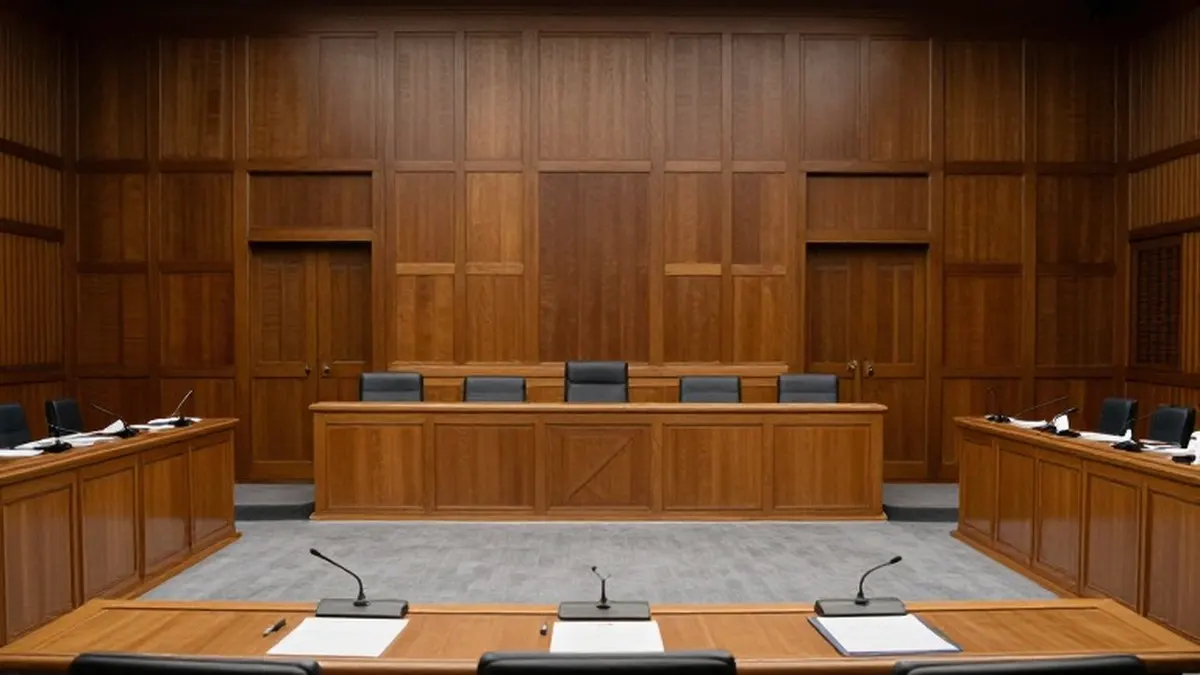
During a hearing in Jerusalem on Wednesday, judges reviewed three separate corruption cases against Netanyahu. Israeli media reported that the judges recommended dropping one case, reconsidering another, and suggesting that the third be resolved through a negotiated agreement. In Case 4000, which involves accusations of bribery, fraud, and breach of trust, the judges indicated that there was little chance of a conviction.
Case 4000 is considered the most serious of the three. It involves allegations that Netanyahu offered regulatory favors to a telecommunications company in exchange for favorable media coverage. Specifically, he is accused of negotiating with Shaul Elovitch, the controlling shareholder of Bezeq, to secure positive coverage on the Walla news site in return for policies that benefited Bezeq. Judge Rivka Friedman-Feldman reportedly stated that proving the bribery charge in this case faced considerable difficulties.
In the other two cases, judges also expressed reservations. In Case 2000, which concerns an alleged deal with the owner of Yediot Aharonot for favorable coverage in exchange for curbing a rival newspaper, judges questioned whether Netanyahu’s actions constituted a crime and recommended reconsidering the case. In Case 1000, regarding the acceptance of luxury gifts from wealthy individuals, the court suggested reaching an agreement to conclude the matter.
Netanyahu, who has held power on and off for three decades, has consistently denied any wrongdoing. He is the first sitting Israeli prime minister to stand trial and has denounced the cases as a politically motivated plot. Israel’s Attorney General, Gali Baharav-Miara, who was unusually summoned to the hearing, stated that she would consider the judges' recommendations and was prepared for either a verdict or a plea deal.
Allies of the prime minister welcomed the court's proposal. Defense Minister Israel Katz wrote on social media that it was time to end a trial that was flawed from the outset. Meanwhile, Eisenkot’s camp is already working to unravel some of the judicial reforms proposed during Netanyahu's most recent term, which began in late 2022.
Coalition negotiations are proceeding under pressure. Eisenkot, who leads the centrist Yashar party, met with Avigdor Lieberman of the Israel Our Home party, resulting in the first coalition pact since the election. However, the process has been complicated by Lieberman's refusal to ally with Arab-led parties and the recent suspension of talks by the left-wing Democrats party.
Eisenkot has until December 6 to form a government under his current mandate, though he may request a 14-day extension. If he fails to secure a majority, the opportunity will return to Netanyahu. If neither leader can form a government, Israel will face another election next year.