Europeans back climate action but balk at personal sacrifice, poll finds
A YouGov survey across six countries shows strong belief in human-made climate change and support for international cooperation, but little appetite for measures that hit wallets and lifestyles.
By Khalid Khalil ·

Most Europeans accept that human activity is driving climate change and want swift action to address it, a new survey has found, but that support fades when the response demands significant personal sacrifice.
The YouGov poll, conducted across Denmark, France, Germany, Italy, Spain and the UK, found that between 69% of respondents in Germany and 80% in France believed the climate was changing. Only 1% to 4% denied it outright, while 14% to 20% thought change was happening but not as a result of human activity.
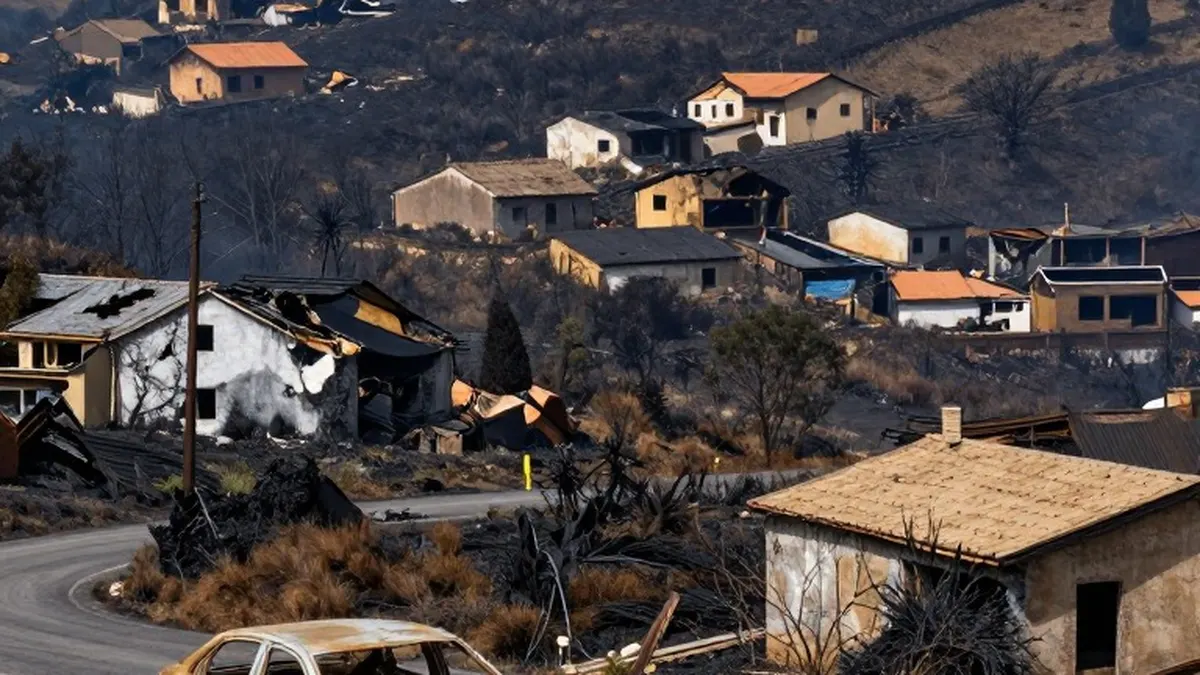
The findings come days before the Cop31 climate conference in Turkey and against a backdrop of mounting scientific concern. Europe is the world's fastest-warming continent, and scientists say climate breakdown driven by the burning of fossil fuels is increasing the frequency and intensity of heatwaves, droughts, wildfires and destructive storms.
The polling showed strong backing for a collective response, with 79% to 89% of respondents across the six countries saying the crisis would be tackled more effectively if countries worked internationally. Those in EU member states were more inclined to say climate decisions should be made at EU rather than national level, a view held by 50% to 54% in France, Italy and Germany, 61% in Denmark and 64% in Spain.
Majorities of between 65% and 83% in each country said they were worried about the climate crisis, including 23% to 42% who described themselves as very worried. YouGov noted an uptick in concern during this summer's heatwaves. In France, the share of worried respondents rose from 74% in April to 83% by mid-August and remained at that level last month, while the very worried share climbed from 28% in April to a record 42% in August, a figure it held last month.
Concern spiked elsewhere in August but has since eased. In Germany, the number of very concerned respondents rose from 27% in April to 40% in August before falling back to 31%. In Denmark, worry stayed relatively stable, with 66% to 69% worried and 20% to 23% very worried.
Across the six countries, 45% to 63% of respondents thought it was not too late to avert the worst impacts of the climate crisis, but only with a drastic change in approach. Just 11% to 24% believed it was already too late, while between 9% and 20% felt current measures would be enough to prevent the most serious consequences.
Support was strongest for measures that do not directly affect daily life. Planting more trees, subsidising energy efficiency, banning single-use plastics and taxing big emitters all found favour. Increasing fuel duty, limiting meat and dairy consumption, taxing air fares and banning new petrol and diesel cars were opposed.
A similar divide appeared when people were asked what they would do themselves. Cheap and easy steps, such as creating green space at home and eating only seasonal fruit and vegetables, proved popular, while shopping exclusively secondhand or paying more for flights did not.