Houthi Strikes Hit Saudi Ports as Regional Tensions Escalate
Yemen's Houthis claim successful attacks on Jeddah and Jazan, while rising oil prices reflect growing anxiety over US-Iran friction in the Gulf.
By Evelyn Adeyemi ·
Riyadh was shaken by loud explosions on Wednesday as Yemen's Houthi movement announced attacks on two major Saudi Arabian ports. The targets were Jeddah and Jazan, both located on the Red Sea coast. The group stated that both strikes caused damage to the facilities. The Saudi-led coalition confirmed that one projectile struck the port of Jazan. Officials noted that the impact resulted in minor structural damage but no casualties were reported.
These port strikes come shortly after an attack on Ras Tanura, which is Saudi Arabia's largest oil refinery. Argus Media, a commodity market analyst, reported that the Houthis landed two successful hits on the facility. One impact occurred at the refinery itself, while the other struck the export terminal. The Houthi group said they chose to bomb Ras Tanura as a direct retaliation for a recent Saudi military operation against the port of Hodeidah, which is under Houthi control.
Arab and Western officials told Middle East Eye that Saudi Arabia continues to shoot down the majority of missiles and drones launched by the Houthis. However, the kingdom has struggled to protect critical assets, including energy facilities, financial centers, and airports. This ongoing challenge tests the defensive capabilities of the region's largest economy.
Crown Prince Mohammed bin Salman has been working to secure backing from the United States and other regional powers. Egypt, Pakistan, Turkey, and Syria have either sent or pledged military support to Saudi Arabia. With the exception of Syria, which has provided drone operators, the assistance from these nations is primarily defensive in nature.
Last week, the Crown Prince met with Admiral Brad Cooper, the head of US Central Command. This was the third such meeting since fighting with the Houthis resumed in July. Middle East Eye first reported on the planned meeting. While the United States remains Saudi Arabia's top military supplier, it has not publicly committed additional support, though it maintains troops and advisers within the country.
Tensions between the US and Iran have been building for months. The two sides have exchanged strikes in the Strait of Hormuz and at various land targets. The US has conducted attacks on Iranian mainland territory, while Tehran has responded by targeting US military sites in Kuwait and Bahrain.
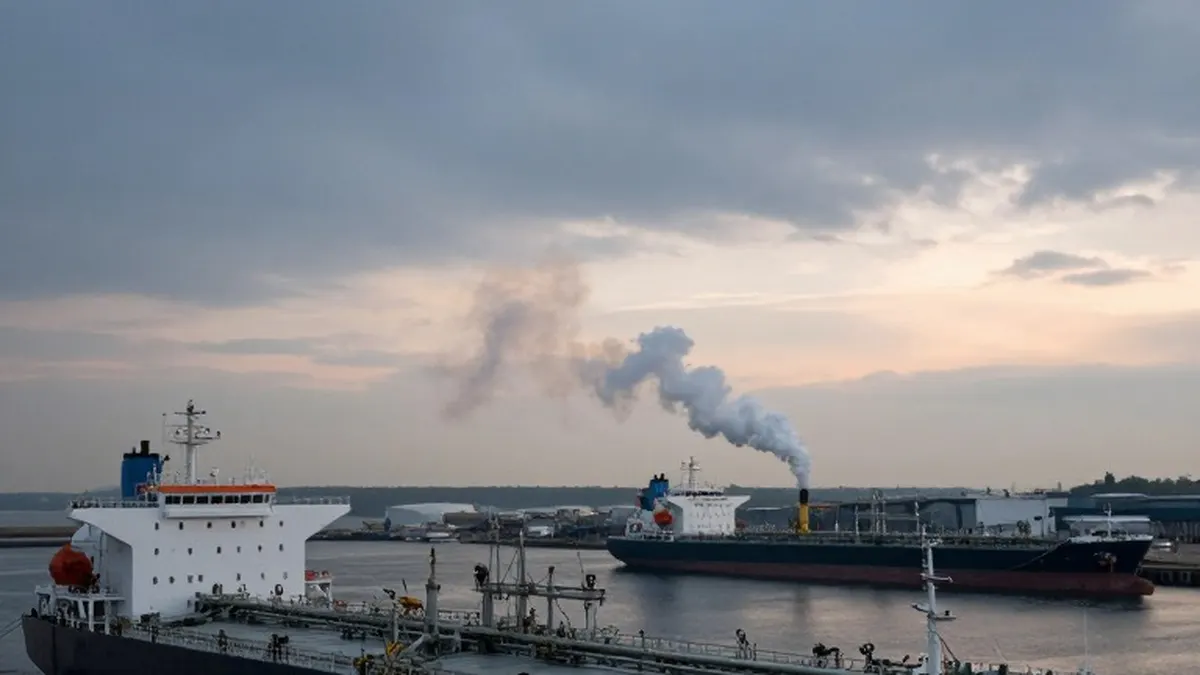
On Wednesday, Iran announced that an oil tanker hit a naval mine and caught fire in a restricted zone within the Strait of Hormuz. This incident was reported by the semi-official Fars news agency. The event adds to the volatility in the region's energy supply routes.
The price of Brent crude, the international oil benchmark, rose by 2.5 percent on Wednesday. It was trading at $84 per barrel. Analysts suggest that the increase reflects market concerns over the stability of oil flows from the Gulf.
According to Semafor, Crown Prince Mohammed bin Salman is expected to travel to the United States next month for the G-20 summit in Miami. Diplomats have speculated for months about whether the de facto leader would leave the kingdom during this period of heightened conflict and potential US-Israeli action against Iran.
The Trump administration has stated that it is not currently interested in resuming a war with Iran. Instead, it aims to use economic measures to pressure the Iranian government, primarily through a blockade of its ports. Iran has experienced significant inflation, though regional officials who have visited the capital have reported busy restaurants and a general sense of calm. Fars news agency also reported that a large shipment of US dollar banknotes had entered the country from a neighboring state on Wednesday.