Iranian Households Trim Spending as Inflation Soars
Soaring costs and economic pressure are forcing families in Tehran to cut back on food, travel, and savings.
By Aever Bundji ·
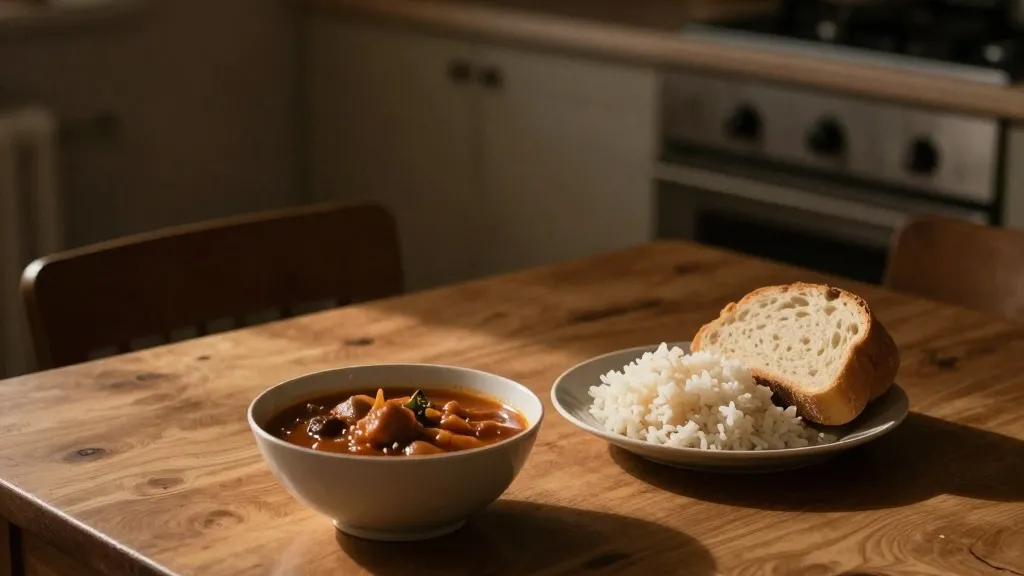
The cost of a basic meal in Iran has nearly doubled in one year. A dish of ghormeh sabzi, a staple herb stew served with rice, now costs 23 million rials. That amount equates to about $8.45. This sharp rise in prices is forcing households to rethink how they spend their money.
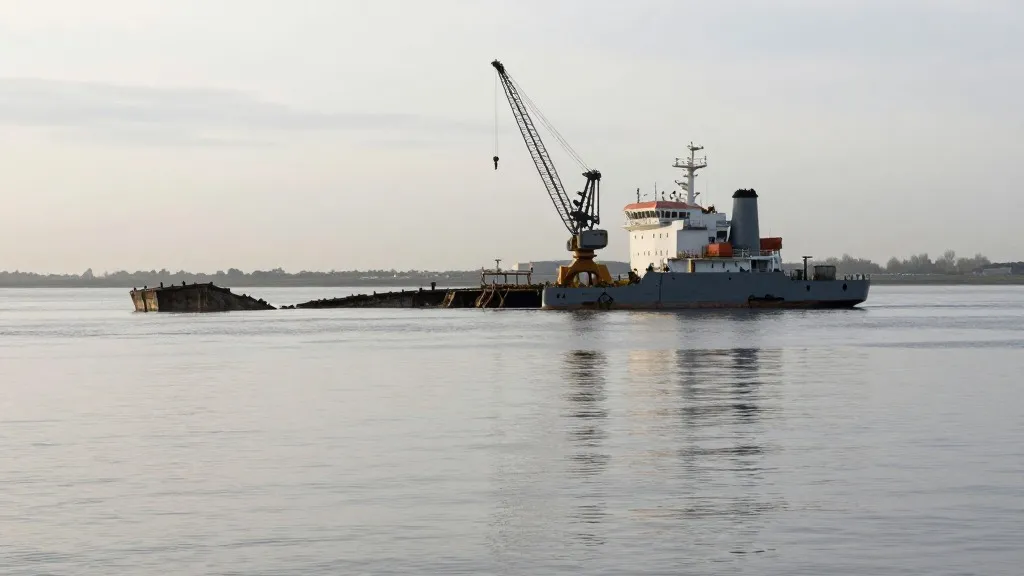
The financial strain is widespread across the country. Years of international sanctions, high inflation, and a weakening rial have eroded the economy. The situation worsened after the United States and Israel launched a war on Iran on February 28. Conflict damaged infrastructure and disrupted trade. A US naval blockade reduced oil exports and imports. Attacks in the Strait of Hormuz further hindered shipping. In August, the US Treasury launched a new sanctions campaign to isolate Tehran financially.
These pressures led to protests in January. Authorities responded with a deadly crackdown. Now, ordinary families are adjusting their daily lives to cope. A field survey in central Tehran shows that people are changing their shopping habits. They are deciding which necessities to skip. Activities once common for the middle class are being abandoned.
The government is trying to help, but the aid is limited. A recent estimate by the fact-checking outlet Factnameh found that a basket of 11 essential food items cost 56 million rials per person in September. For a family of three, the total is more than 168 million rials. The government provides a food voucher worth 10 million rials. This covers less than 18 percent of the per-person cost. That figure is down from about 30 percent in December 2025.
Inflation reached 89.9 percent in September. The average monthly wage is estimated at around $100. Central Bank Governor Abdolnaser Hemmati acknowledged the heavy burden on citizens on October 23. He said efforts to isolate the economy failed to achieve their main goal. Many residents, however, feel the impact deeply in their daily meals.
One retired woman lives on a monthly pension of 180 million rials. She has cut back on meat and protein sources since the Iranian year began in March. She worries about her health but feels fortunate to pay no rent. Another family saves most of its meat and chicken for their children. The parents eat legumes and meat substitutes. They fear that rising prices will eventually force them to cut meat from their children's meals as well.
The strain is not limited to low-income earners. A middle-aged man in western Tehran earns a household income of a billion rials. This is well above the average of 600 million rials for Tehran households. He said he can live for today but has no savings for tomorrow. Travel, dining out, and saving have disappeared from his life.
Even social habits are changing. A 28-year-old woman earning 400 million rials a month has altered how she socializes. She and her friends used to visit cafes weekly. Now they often order one dish to share. Splitting the bill is the only way to make an outing affordable. A newly married woman in Tehran noted that her home has become a place just for sleeping. She works two shifts to repay a loan. She says she knows every morning that she is poorer than the day before.
Source: RFE/RL