Indonesia’s vice-president resigns amid dispute over education qualifications
Gibran Rakabuming Raka submitted his resignation after court rulings challenged his educational documents and lawmakers initiated a process that could lead to impeachment.
By Lorenzo Evans ·
Indonesia’s vice-president, Gibran Rakabuming Raka, resigned on Thursday following mounting questions about whether his educational qualifications met the requirements for election to the office. His departure came after rulings by two courts last month and a petition from lawmakers this week that opened a parliamentary process potentially leading to impeachment.
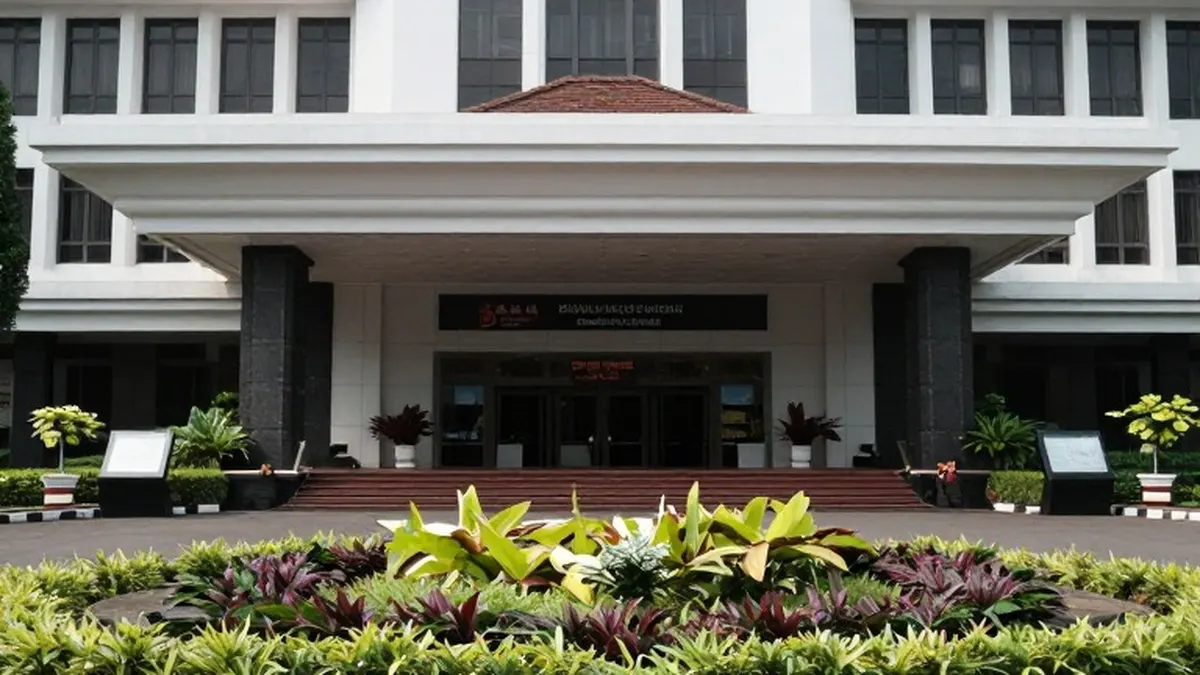
Raka, 39, is the son of former Indonesian president Joko Widodo. He delivered his resignation to the leaders of the People’s Consultative Assembly at the parliament building in Jakarta, the country’s capital. The assembly is Indonesia’s highest legislative body.
The resignation followed an earlier offer to step down that Raka made during a Tuesday meeting with President Prabowo Subianto. At that meeting, Raka said he wanted to prevent the dispute from developing into a prolonged political controversy. According to a Cabinet minister, however, Prabowo encouraged him to defend himself. Whether the president had accepted that initial offer was unclear.
The controversy centres on documentation Raka provided concerning his education overseas. In separate rulings last month, the Constitutional Court and the Supreme Court found that those documents did not satisfy election requirements. The decisions raised questions about his eligibility to hold the vice-presidency.
On Wednesday, 120 lawmakers representing eight political parties submitted a petition to the leadership of the House. That action initiated the parliamentary procedure through which Raka could face impeachment, adding a legislative process to the dispute over the educational documents considered by the courts.
Indonesian law requires House leaders to form a special committee to investigate the allegation. Its task is to examine whether Raka’s service as vice-president amounts to a breach of the constitution because he allegedly did not meet the requirements for election to the post.
A further court review would depend on the lawmakers’ findings. If the House concludes that there are sufficient grounds for the accusation, it must refer the matter to the Constitutional Court. The court would then be asked to determine whether a constitutional violation had taken place.
The inquiry into Raka’s academic credentials appeared to be separate from investigations involving senior police officials. Those investigations concern allegations that top police officials participated in wiretapping directed at the president.