Palestinian schools in East Jerusalem face permit restrictions and curriculum pressure
Restrictions on teachers’ access, funding tied to the Israeli curriculum and a classroom shortage are putting pressure on Palestinian education in occupied East Jerusalem.
By Evelyn Adeyemi ·
Palestinian schools in occupied East Jerusalem are facing restrictions on teachers travelling from the West Bank, alongside Israeli policies expanding the use of the Israeli curriculum. Educators and a rights organisation say the measures threaten Palestinian educational autonomy while schools struggle with overcrowding and a shortage of classrooms.
Jamal Shalabi, a 66-year-old chemistry teacher from el-Bireh in the occupied West Bank, has crossed Israeli checkpoints to teach in East Jerusalem since 1998. His school administration has told him he is among 180 Palestinian teachers whose entry permits will be revoked when they expire at the end of the 2026-27 academic year. East Jerusalem, like the West Bank, is illegally occupied Palestinian territory, although Israel regards it as part of a unified Jerusalem under its control.
Teachers also faced permit delays in January and September, prompting school strikes in East Jerusalem. In September, documents were not issued until September 15, two weeks into the academic year. Shalabi said restrictions introduced since the Gaza war in 2023 limit teachers to specified hours and their workplaces, preventing visits to Al-Aqsa Mosque or participation in school trips. He said teachers were also denied entry to Jerusalem for a full week during the recent Sukkot holiday.
An Israeli government plan presented as an effort to narrow socioeconomic gaps in East Jerusalem links funding for new schools to adoption of the Israeli curriculum and includes teacher training within Israel’s education system. The Israeli human rights organisation Ir Amim says roughly half the plan’s education budget supports expansion of that curriculum. Its report argues that these policies use educational needs to weaken Palestinian educational autonomy and national and cultural identity. It also warns that a law barring employment of teachers with degrees from Palestinian institutions could deepen the existing teacher shortage.
Enrolment in the Israeli curriculum has grown from hundreds of Palestinian students 15 years ago to more than 10,000 in 2020. Palestinian officials put the figure at nearly 20,000 in 2024, while figures cited by Ir Amim show more than 27,000 in 2025. For the 2026-27 academic year, Palestinian officials estimate that more than 45,000 students, about 38 percent of the city’s student population, are following it.
An East Jerusalem principal, speaking anonymously to Al Jazeera because he feared repercussions from Israeli authorities, described the expansion as the result of years of efforts to control Palestinian education. He said private and community schools also face pressure, including threats to funding and operating licences. He alleged that inspections include searches of schoolbags to confiscate Palestinian textbooks, and that authorities intervene in staff appointments and target students over personal social media posts. Al Jazeera said Israeli authorities had not responded to its request for comment.
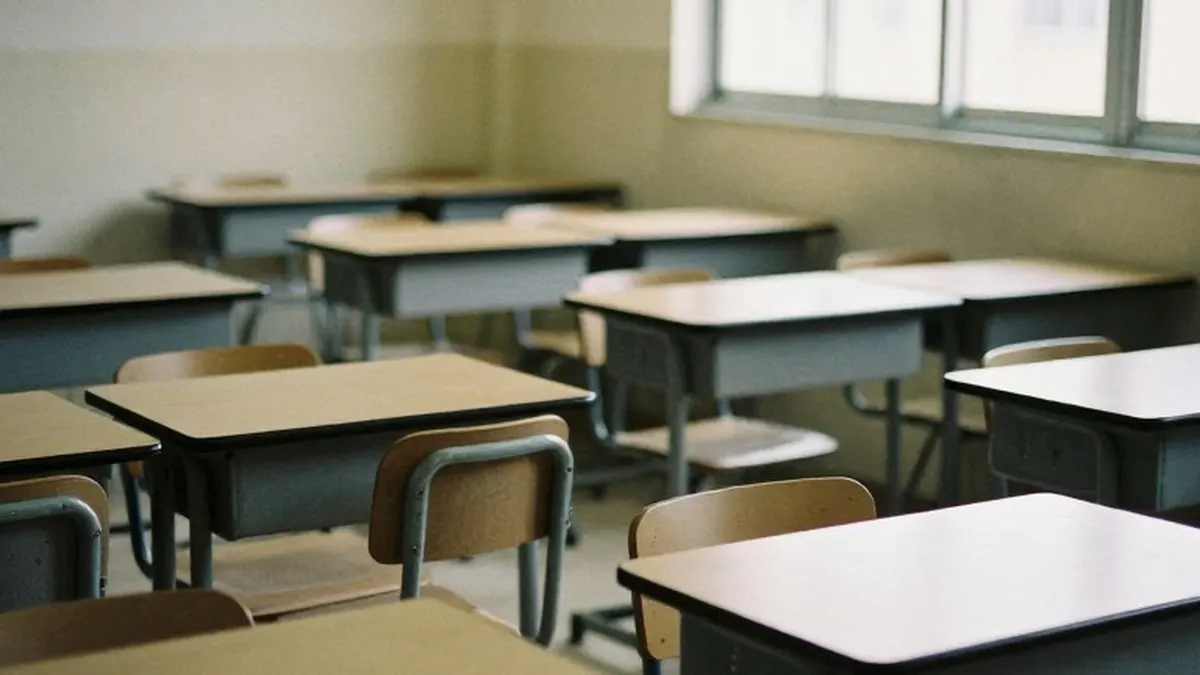
Ir Amim calculates that East Jerusalem lacks 2,283 classrooms and projects that approximately 1,100 will still be missing in 2032 even if municipal construction plans are completed. The Jerusalem Municipality estimates the current deficit at about 1,500 classrooms. Ir Amim disputes that figure, saying it is based on outdated information.
Ramadan Awad, spokesperson for the Union of Parents’ Committees for Jerusalem Schools, said some classes have up to 42 students, limiting teachers’ ability to give individual attention and track progress. He said some schools rent apartments or commercial premises to accommodate pupils, despite those buildings often lacking courtyards, laboratories and spaces for extracurricular activities.