Iraq and Kurdish Region Face Sharp Clash Over Oil and Borders
Baghdad and Erbil are locked in a constitutional and political dispute after federal orders to seize control of border crossings and oilfields in the Kurdish region.
By Evelyn Adeyemi ·
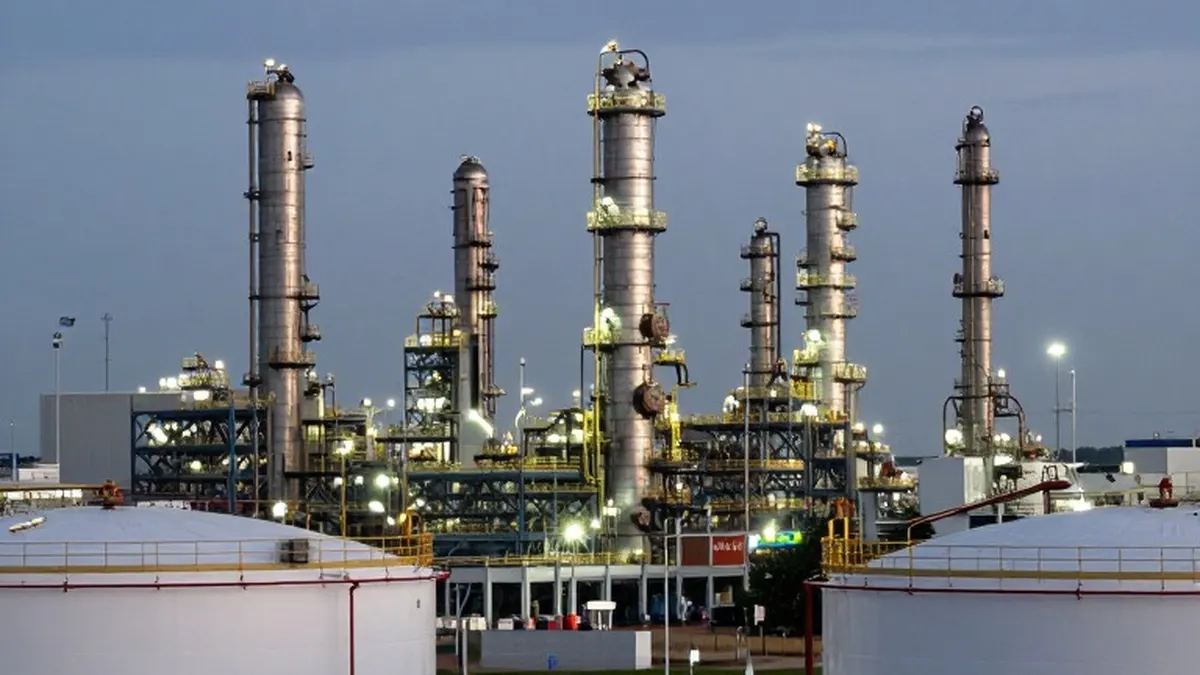
Tensions between Iraq’s federal government and the semi-autonomous Kurdistan Regional Government have escalated into a severe confrontation over the control of oil resources and border crossings. The crisis intensified this week when Prime Minister Ali al-Zaidi directed federal authorities to assume management of all border points in the north, close unofficial smuggling routes, and secure oilfields in disputed provinces. Within a day of these orders, the Federal Supreme Court issued a ruling that supported Baghdad’s authority to oversee national borders and energy exports.
The dispute centers on a belt of territory, including Kirkuk, Nineveh, Salahuddin, and Diyala provinces, which is claimed by both Baghdad and Erbil. Although the 2005 constitution established a process to settle the status of these areas, the procedure was never completed. Kirkuk has been a focal point of contention, having changed hands multiple times since 2014. Federal forces currently control the city, but Kurdish security forces maintain a presence in the surrounding oil sites named in the recent federal orders.
Baghdad frames the move as a necessary campaign against corruption and smuggling rather than a political attack on the Kurds. Prime Minister al-Zaidi described the effort as a battle for existence to protect national wealth. The government estimates that 200,000 to 230,000 barrels of oil per day are smuggled out of the region, a loss valued at approximately $200 million per month. Intelligence reports suggest these routes often lead to Iran, with some products being disguised to appear as Iraqi exports.
The Federal Supreme Court’s interpretive decision has significantly strengthened the federal position. The court affirmed that Baghdad has the power to deploy armed forces across all Iraqi territory and supervise border crossings, including those in the Kurdish region. It also confirmed federal oversight of oil and gas production, as well as non-oil revenues. Legal experts note that while the ruling is decisive, the underlying constitutional provisions regarding oil and borders remain ambiguous and contradictory.
The Kurdistan Regional Government has rejected the federal measures, labeling them a violation of the constitution and an infringement on regional rights. In a statement following a meeting chaired by Prime Minister Masrour Barzani, the KRG Council of Ministers declared its opposition to any return to a centralized system. President Nechirvan Barzani argued that using military language to address the region does not solve the fundamental problems. Erbil maintains that it supports efforts to combat smuggling but insists the dispute should be resolved through dialogue.
Public sentiment in the region has turned against the federal government, with thousands of demonstrators gathering in Erbil to protest the takeover of oil operations and borders. Major political parties, including the Kurdistan Democratic Party and the Patriotic Union of Kurdistan, issued a joint statement warning that undermining Kurdish political authority is a red line. However, analysts suggest this unity is pragmatic and defensive, driven by the shared threat posed by Baghdad’s aggressive stance.
Prime Minister al-Zaidi appears eager to avoid a full military confrontation, despite reports that army units were heading north. Government spokespersons have denied troop movements and emphasized that the federal government is committed to protecting the people of the region. Al-Zaidi has also sent the head of the Popular Mobilisation Forces to negotiate with Kurdish leaders, signaling a preference for a negotiated solution over armed conflict.
International reactions have been mixed, with the United States seen as supportive of Baghdad’s push to consolidate state authority. Analysts believe Washington may quietly pressure Erbil to accommodate federal demands. Iran, which has its own disputes with the Kurdish region, appears satisfied with the pressure on Erbil, while Turkiye is likely to favor a stable arrangement that protects trade and prevents new refugee flows across its southern border.
To defuse the immediate crisis, Iraq’s four presidencies have agreed to hold a national dialogue on December 1. This proposal, put forward by the head of the Supreme Judicial Council, aims to provide a face-saving opportunity for both sides. While a temporary compromise on border oversight is possible, experts warn that the deep constitutional ambiguities regarding oil and federalism will likely resurface in the future.