Homelessness Oversight: LAFCO Moves to Create Special District
San Diego’s Local Agency Formation Commission voted to study a new government entity that could replace the regional nonprofit currently managing homelessness data and funding.
By Lorenzo Evans ·
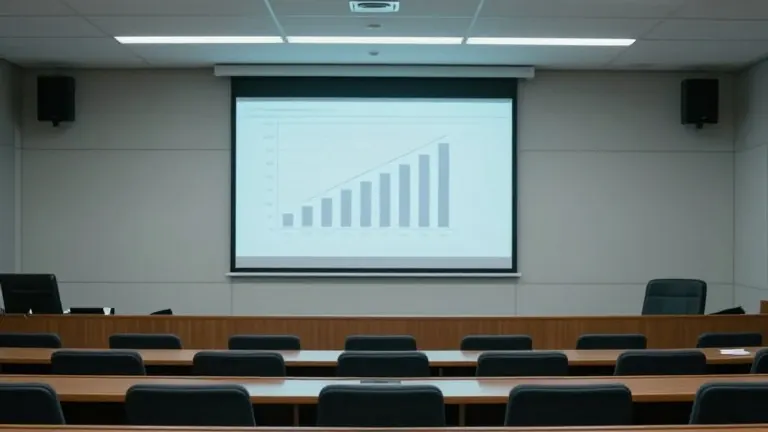
10,605. That was the peak number of homeless people in San Diego County in 2024, according to data cited in a new report. The figure anchors a push by San Diego City Councilmember Stephen Whitburn to replace the current oversight structure for homelessness with a new special district.
The Local Agency Formation Commission, or LAFCO, voted unanimously on Nov. 2 to have staff explore creating this new unit of local government. The move stems from a white paper presented to the commission by staff on Nov. 2. The report criticized the Regional Task Force on Homelessness, or RTFH, for not being a government entity subject to public meeting and records laws.
RTFH is a private nonprofit that acts as the administrator for the region’s Continuum of Care. It conducts the annual point-in-time count, collects data on homelessness, and manages state and federal funds. The task force was established in 1983 under the mayor’s office and became a nonprofit in 2004. A special district model would place these functions under a new governmental entity with regional direction and administrative oversight.
Whitburn, whose district covers downtown and much of the urban core, has served on LAFCO for years. He believes the current system is fragmented and ineffective. “We need a holistic, comprehensive, focused approach to reducing street homelessness in our region,” Whitburn said. He argued that a dedicated agency would be better positioned to end street homelessness.
The push has been in the works for more than three years. Whitburn and LAFCO Executive Officer Keene Simonds discussed the idea around the time Whitburn proposed a camping ban on public property. The white paper was placed on LAFCO’s annual workplan in March 2023. It remained a low priority until it rose to the top of the list in March 2025 at Whitburn’s request.
Simonds said the commission has the power to initiate the formation of a special district under existing statutes if commissioners want to move forward. However, he noted that a special act of the Legislature might be needed to tailor the district to San Diego’s specific needs. The Miami-Dade County model, which required a food and beverage tax, was cited in the white paper, but Simonds said hundreds of different models exist.
“Anything LAFCO approves, with respect to creating a new governmental entity, is subject to voters,” Simonds said. He explained that voters would ultimately be asked to support the creation of the district and its specific powers, likely alongside a discussion about funding. Whitburn said he believes San Diego voters would support a new entity if they have confidence it will be successful.
RTFH CEO Tamera Kohler defended her organization in a letter to LAFCO on Oct. 29 and in person on Nov. 2. The letter, co-signed by San Diego CoC Board Chair Akilah Templeton, requested that LAFCO look into strengthened versions of the current model as fully as the alternatives. Kohler said the standard for change should be additional capacity and measurable improvements for people experiencing homelessness.
Multiple agencies said they were caught off guard by the white paper. RTFH spokesperson Gary Warth said staff were not aware of the report until Oct. 12 and did not receive a copy until Oct. 26. Oceanside and Carlsbad also stated they were not aware of the details until just before the public hearing. Oceanside’s Leilani Hines wrote that releasing the document on Oct. 26 for a Nov. 2 hearing did not allow enough time to evaluate the issues.
LAFCO staff are currently working on a scope and feasibility report to be presented early next year. RTFH is working with LAFCO on an amended draft of the white paper. The task force is also preparing for the annual Point In Time Count scheduled for Jan. 28.