Jihadist groups pursue local alliances as divisions over strategy deepen
Al-Qaeda affiliates in Mali and Somalia are seeking local support and deals with former enemies, raising questions about whether their ambitions are changing or only their methods.
By Evelyn Adeyemi ·
Some jihadist movements are increasingly concentrating on gaining power within their own countries, forming alliances and courting communities as their campaigns evolve. Al-Qaeda affiliates in Mali and Somalia have shown willingness to cooperate with former adversaries, widening a divide between those who support compromise and hardliners who regard it as betrayal.
The shift follows major setbacks for both al-Qaeda and Islamic State, including leadership losses and sustained international pressure. Islamic State lost its final territorial stronghold in Iraq and Syria in 2019. Africa has become the principal battleground, with al-Qaeda affiliates JNIM and al-Shabab conducting prolonged insurgencies and Islamic State branches operating in several countries.
Syria's President Ahmed al-Sharaa offers one example of how a militant leader can gain power after distancing himself from global jihad. Previously a commander linked first to Islamic State and then al-Qaeda, he severed those connections and developed a local base in Syria's Idlib province. His willingness to work with non-Islamist groups and engage foreign governments, alongside favourable geopolitical conditions, helped him take power in December 2024. Islamic State has rejected his government, declared jihad against it and attacked its forces.
In Mali, JNIM joined nationalist Tuareg separatists in a major offensive in late April, despite having fought them at times previously. Its public messaging has also changed. Since late 2024, its videos have omitted familiar al-Qaeda branding, while increasingly emphasising local grievances. The group has appealed to patriots to help create a new Mali, promising security, justice, prosperity and Islamic law. It has also suggested the possibility of balanced relations with Russia, whose forces it is fighting.
Africa security specialist Aman Bezreh sees similarities between JNIM's approach and that of Sharaa's former group, Hayat Tahrir al-Sham, although she says JNIM's rebranding has proceeded more slowly while it expands and recruits. France 24 journalist and jihadism expert Wassim Nasr describes competing currents within JNIM: one favouring the Taliban's model of military victory with limited concessions, the other supporting broader alliances and compromises. He says the second camp currently holds greater influence.
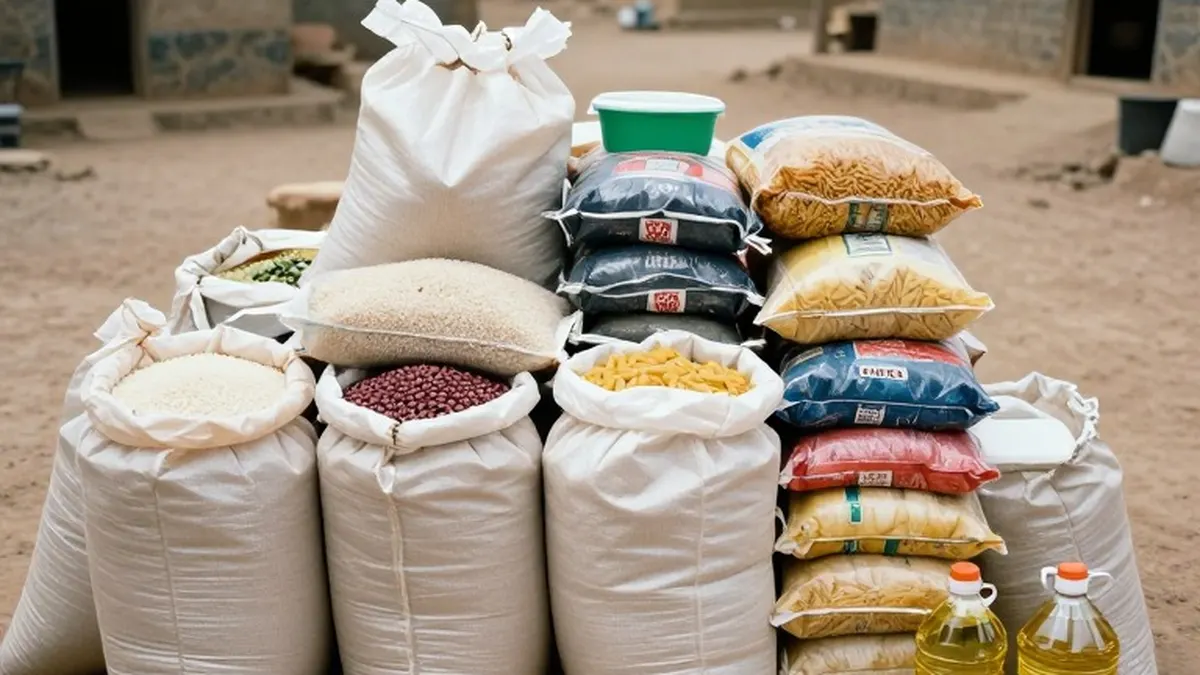
In Somalia, al-Shabab has promoted food distributions and other purported humanitarian activities throughout 2026 to strengthen community support. BBC Monitoring Somalia specialist Abdullahi Guji says it reached an October truce with the powerful Ma'awisley tribe, whose fighters had played a leading role against it. Their subsequent withdrawal from the front line weakened the government campaign, he says. African Union troop withdrawals and domestic political crises could create further openings for the group.
Such tactics have precedents. After the 2011 Arab uprisings, affiliated groups adopted the Ansar al-Sharia name to build support without displaying al-Qaeda's brand. In Mali in 2012, al-Qaeda leaders urged militants to cultivate alliances and delay imposing strict religious rules. Those instructions reflected patience in pursuing their objectives, rather than abandoning them.
Whether the latest compromises indicate deeper change remains uncertain. Soufan Center executive director Colin Clarke questions whether governing moderates these movements or whether tactical adjustments simply help them survive and grow stronger. Islamic State continues to reject compromise, while al-Qaeda's Yemen branch still urges attacks on Western and Jewish targets. The movement's differing approaches leave its longer-term direction unresolved.