Gaza families pay up to 24 dollars for insulin pens as shortage deepens
Prices for essential diabetes medication have doubled in the besieged territory, forcing children to rely on expired supplies or miss doses.
By Evelyn Adeyemi ·
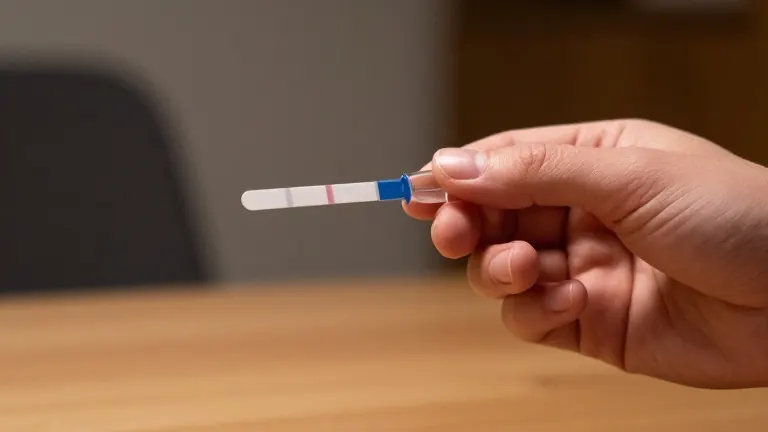
Insulin prices in Gaza have doubled, straining families who must monitor their children’s blood sugar every two hours to prevent fatal complications. The cost of a single insulin pen has risen to between 50 and 80 shekels, or 15.29 to 24.46 dollars. Before the conflict began, the same item cost between 25 and 30 shekels, or 7.62 to 9.17 dollars, and was often free through clinics.
Nahawand, a mother in Gaza City, spent months searching for supplies for her nine-year-old son, Amir. She finally obtained pens from Khan Younis in southern Gaza, only to find they were expired. Amir was hospitalized last week in intensive care after doctors detected a dangerous build-up of acid in his blood. Nahawand stated she cannot afford to buy the medication at current market rates.
Test strips required for blood glucose monitoring have also increased in price. A box of 50 strips now costs between 150 and 200 shekels, or 45.87 to 61.17 dollars. Before the war, two boxes could be purchased for approximately 150 shekels. Without these strips, parents cannot determine the correct dose of insulin, creating a secondary risk even when medication is available.
The International Diabetes Federation reported in August that access to insulin and essential diabetes care in Palestine is severely restricted. Awni Shweikh, executive director of the Haifa Association for Children with Diabetes, represents approximately 800 children in Gaza. The organization previously provided free testing strips monthly to up to 700 children and supplied insulin pens to families not covered by UNRWA services.
Since October 2023, the association reports that children have lost blood glucose monitoring devices and face a severe shortage of insulin pens. Shweikh described insulin as a life-saving treatment rather than a luxury. Her organization has appealed for urgent supplies of both insulin pens and testing strips.
In Jabalia, northern Gaza, 15-year-old Janna requires two types of insulin, one for day and one for night. Her mother, Alaa Ghaban, said the cost of one type has risen from 30 shekels to 80 shekels. Without regular income, Ghaban struggles to secure both medications. Janna has lost seven kilograms over the past four months because she fears eating without enough insulin to control her blood sugar.
Janna was recently hospitalized for eight days in a malnourished and dehydrated state. Tests revealed high acidity levels in her blood and an enlarged liver. Ghaban previously returned to her family home under heavy bombardment to retrieve insulin. Keeping medication cool remains a daily challenge due to electricity shortages in the region.
Ghaban said her daughter sometimes expresses a wish to die because she cannot bear watching her mother struggle and appear exhausted. The Haifa Association continues to provide psychological support and educational sessions to families, but the shortage of physical supplies remains the primary barrier to care.
More Business · Bad Business · Report a business · Got a Story?