Five flowering houseplants to keep indoors through the winter
From cyclamen to peace lilies, specific light, temperature, and watering routines determine whether these species will continue to produce color.
By Khalid Khalil ·
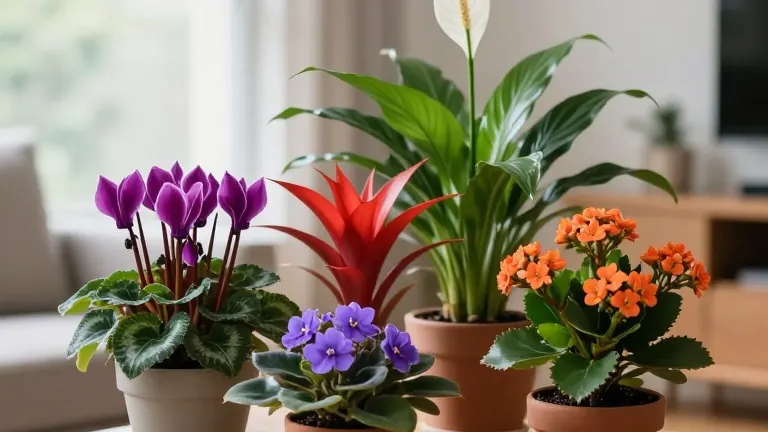
Home gardeners looking to maintain color during the colder months can select five specific flowering species that thrive in indoor environments. While these plants require similar basic care to leafy varieties, each demands distinct conditions regarding light, temperature, and hydration to sustain blooming cycles for weeks or months.
Cyclamen offer blooms in white, pink, red, or purple, featuring petals that curl backward. To maintain this display, the plants need indirect light from an east or north-facing window in a room between 60 and 70 degrees Fahrenheit. Growers should water these plants from the bottom to prevent root rot, allowing the soil to absorb moisture through drainage holes. Fertilizing occurs monthly during active growth, while late spring requires a period of rest in a cool, dark location.
African violets require slightly acidic soil with a pH between 6.0 and 6.8. They need direct light from October through late February, shifting to indirect light from a north or east window during spring and summer. Watering should be done from the bottom with room-temperature water to prevent leaf spotting. These plants also need high humidity, which can be maintained with a humidifier or pebble tray.
Bromeliads produce a single bloom cycle, developing tall bracts in colors such as red, yellow, orange, purple, or peach. The plant absorbs water through its leaves rather than its roots. Caretakers must rinse the central reservoir, known as the cup, weekly and refill it with fresh, room-temperature water. After the main plant fades, it produces offshoots, often called babies, which replace the mother plant.
Peace lilies are tropical species that prefer bright, indirect light and temperatures between 64 and 72 degrees Fahrenheit. The soil should remain slightly moist but never soggy, with occasional misting of the foliage using room-temperature water. Removing faded flowers encourages the plant to produce additional blooms.
Kalanchoe plants grow best in full but not harsh sunlight. They prefer daytime temperatures between 50 and 70 degrees Fahrenheit, with cooler nighttime temperatures between 45 and 65 degrees Fahrenheit to extend flower life. These plants require well-draining potting mix and should be allowed to dry slightly between waterings. Fertilization happens once a month during the active growing stage.
The care instructions for these five plants outline specific ranges for temperature and light. Adhering to these parameters allows the plants to function as long-lasting indoor displays without the need for complex equipment or daily intervention.
More Business · Bad Business · Report a business · Got a Story?