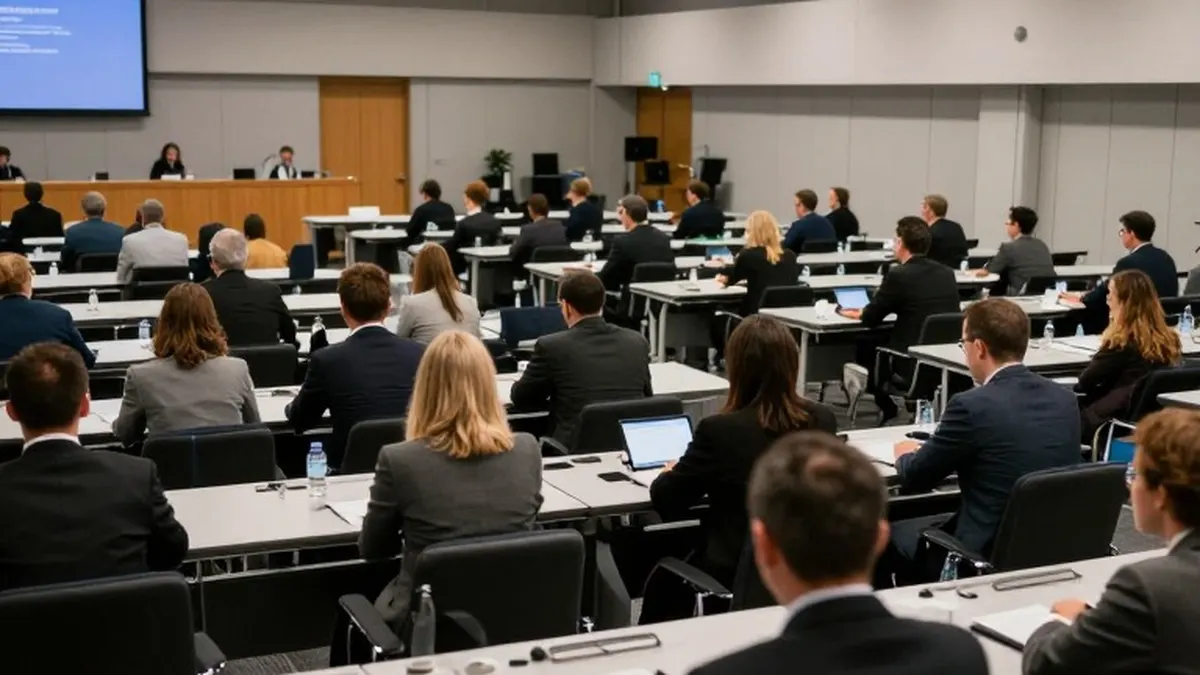
COP31 Negotiators Seek Final Breakthrough on Fossil Fuel Language
By Evelyn Adeyemi ·
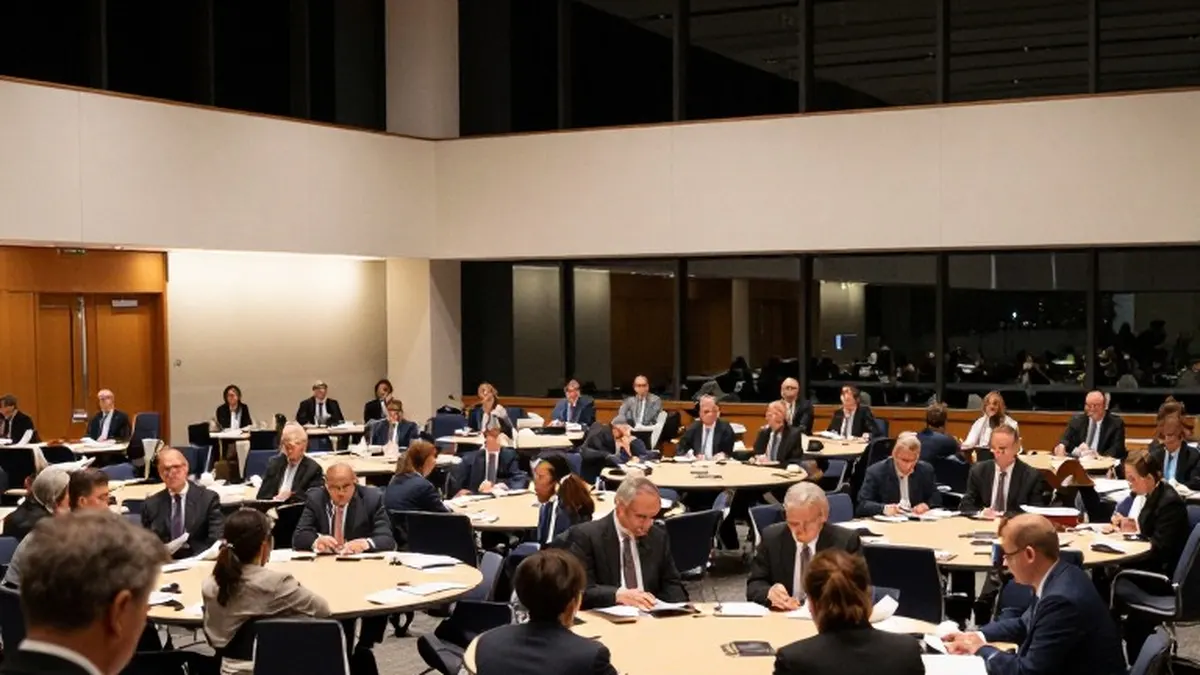
Climate negotiations at the COP31 summit extended into a second day of overtime on Saturday as Turkish officials urged delegates to review a last minute proposal. The impasse centers on the role of fossil fuels in global emissions, a point of contention that has delayed the finalization of the summit agreement. Murat Kurum, who serves as both the COP31 President and Turkiye’s environment minister, addressed a late night plenary session to present the new text. He expressed confidence that the proposed wording would be acceptable to all participating parties.
Kurum indicated that the conference would reconvene on Sunday morning to formally approve the deal. However, the specific details of the new text were not immediately released to the public. It remained unclear whether negotiators had received the full wording overnight, a timing that would provide nations with only a few hours to submit objections or request changes before the final vote.
The urgency of the situation was highlighted by the deadline set for delegations to raise any final objections. These were due by 03:00 GMT on Sunday. A subsequent session was scheduled to begin at 06:00 GMT to start the process of approving the agreement. The summit was originally scheduled to conclude on Friday, but the two week talks in the Turkish city of Antalya have now stretched beyond that timeline.
The current draft follows intensive consultations involving Australia, which is leading the talks, Turkiye, the host nation, and nearly 200 other delegations. These groups represent a wide spectrum of nations, including the world’s richest, poorest, largest, and smallest countries. Kurum stated that the new text addresses previous concerns regarding fossil fuels, as well as the issue of financing climate adaptation for developing countries.
The dispute over fossil fuels has been a major obstacle throughout the negotiations. An initial draft from Australia, presented on Monday, called for a faster phase out of these fuels. However, a revised version released on Thursday removed all mentions of fossil fuels after objections were raised by Saudi Arabia and other major oil and gas producers. This change drew strong condemnation from many participants, who viewed the omission as a significant failure given that fossil fuels are the largest contributors to climate change.
Key issues that slowed down the agreement include the extent of effort countries should make to reduce their reliance on coal, oil, and gas. Other points of debate involved whether to encourage industrial carbon capture and storage technologies. Additionally, there was disagreement over whether the expansion of electricity generation should rely exclusively on renewable sources like wind and solar, or if it should also include other sources such as natural gas and coal.
The stakes of the negotiations are high, as the summit’s agreement is intended to guide how the world addresses climate change. This global phenomenon drives severe weather events, including heatwaves and floods. Experts have emphasized that the world needs to urgently and drastically cut fossil fuel emissions to avert the most catastrophic effects of warming.
Civil society groups have expressed frustration with the progress of the talks. In a letter sent on Saturday to the co hosts, Turkiye and Australia, 100 organizations warned that the summit was on course to become one of the most disappointing COPs in the history of the United Nations. The letter stated that there were only hours left to prevent the event from becoming a low point in three decades of climate negotiations.
The backdrop for these final hours of negotiation is a growing sense of urgency regarding global temperature targets. The United Nations recently stated that the world is likely to exceed the goal set by the 2015 Paris Agreement. That agreement aims to limit global warming to 1.5 degrees Celsius, or 2.7 degrees Fahrenheit, above pre industrial temperatures.
As the delegates prepare for the Sunday morning session, the focus remains on whether the new text will secure the necessary consensus. The outcome will determine the strength of the international commitment to addressing the climate crisis in the coming years.