COP31 Draft Deal Seeks to Bridge Divides as Talks Enter Second Overtime Day
A new draft agreement at COP31 attempts to bridge divides over fossil fuels and funding as delegates enter a second day of overtime talks in Antalya.
By Lorenzo Evans ·
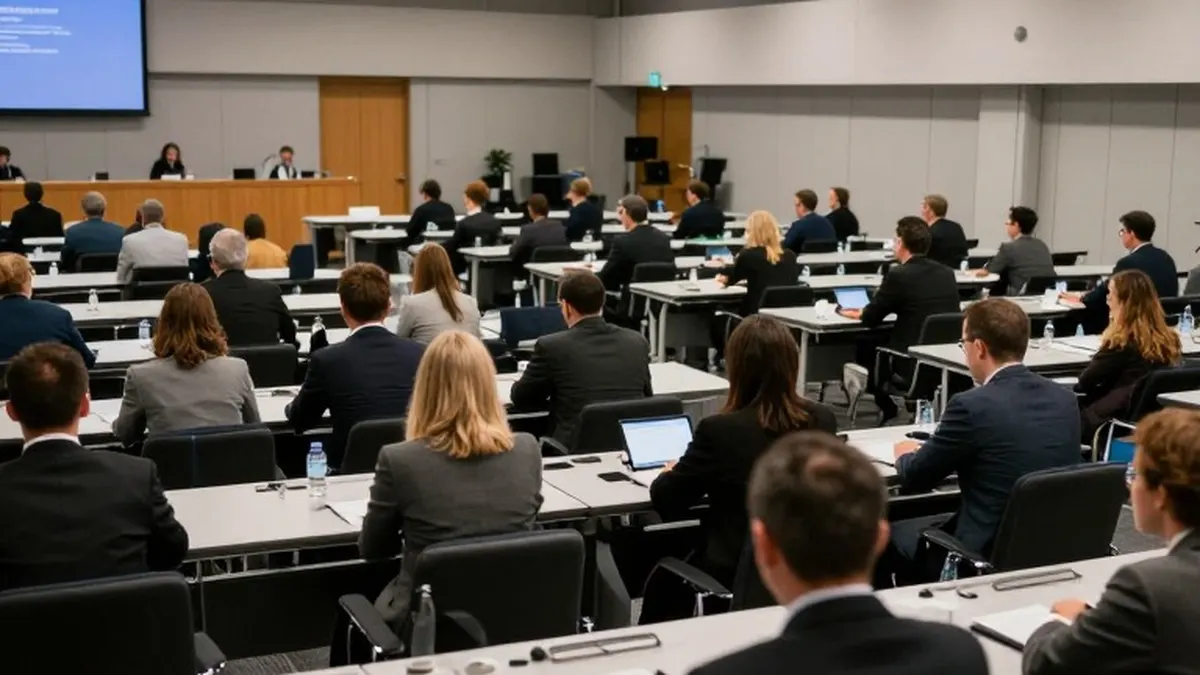
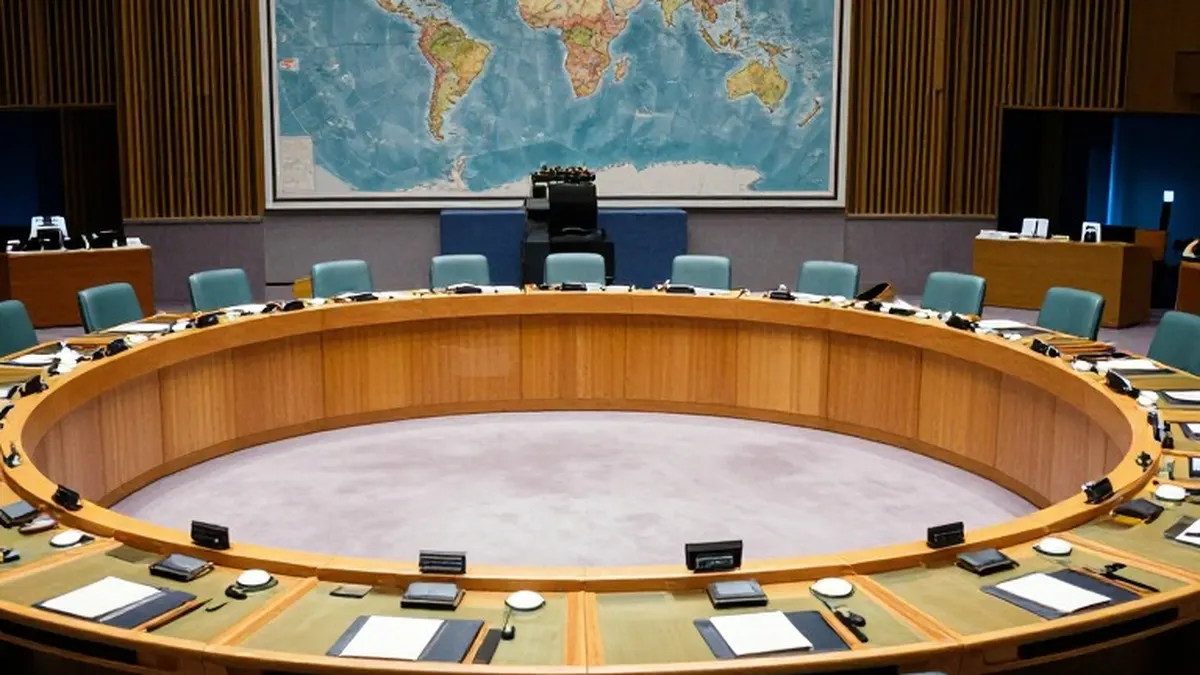
Negotiations at the United Nations COP31 climate summit resumed on Sunday for a second day of extended talks, with delegates struggling to finalize a new global agreement. A revised draft text was released in the early hours of Sunday, a move that co-hosts Turkey and Australia hoped would help close the gap between opposing nations. The summit has already blown past its original Friday deadline, raising concerns about whether a consensus can be reached before delegations are forced to depart.
The new draft omits any specific reference to transitioning away from fossil fuels, a detail that was present in earlier versions but removed in a pared-down update released on Thursday. That earlier change had triggered threats of walkouts from several countries. However, the latest text does acknowledge a previous global commitment to phase out fossil fuels, a promise made three years ago. Additionally, the draft includes a first-time recognition that the world is on track to miss the critical goal of limiting warming to 1.5 degrees Celsius above pre-industrial levels.
Reactions to the new text have been mixed. The European Union and Pacific states had previously argued against the removal of fossil fuel language, though the EU had not yet issued an official response to the latest version. The Africa Group is expected to be disappointed, as the draft does not include a specific financial figure for adaptation and instead defers that decision to future meetings. Countries were scheduled to reconvene at 09:00 local time to decide whether to approve the deal.
If the nations cannot reach the consensus required by the UN process, the negotiations could be suspended until next year. Such an outcome has occurred only once since climate meetings began in 1995. In the hours before the new text was published, EU Commissioner for Climate Wopke Hoekstra warned that if the bloc could not secure the necessary climate action, there would be no deal. Conversely, UK Energy Secretary Miatta Fahnbulleh, the chief negotiator, maintained a more hopeful tone, stating her team was still working toward an agreement.
The core of the dispute has involved ministers from Panama, Solomon Islands, Cote d’Ivoire, and the EU, who fought to restore the commitment to move away from fossil fuels. This group opposed the removal pushed by fossil fuel producers led by Saudi Arabia. Juan Carlos Navarro, Panama’s environment minister, stated it was unacceptable for a COP decision to not even mention fossil fuels. Tuvalu’s Climate Minister Maina Talia described the issue as a red line for the low-lying nation, citing it as the root cause of the climate crisis.
France’s Minister of Ecological Transition, Monique Barbut, criticized references to carbon capture, use and storage technology, arguing it served as a license to continue burning oil and gas. She questioned how the world could announce it was reaching 1.5 degrees of warming while acting as if nothing had changed. In response to these concerns, the latest text has reduced the commitments to carbon capture, which may alleviate some of the EU’s objections.
The agreement, officially known as the Antalya Accords, may acknowledge for the first time that the Paris climate goal of keeping temperature rise below 1.5 degrees has been missed. Scientists warn that entering this period of overshoot will expose millions more people to sea level rise and extreme heat. Australia’s Climate Change and Energy Minister, Chris Bowen, who is leading the negotiations, argued that the summit should focus on implementation and the shift to clean energy rather than adding new language on fossil fuels.
Financial support for developing nations remains a key unresolved issue. Earlier versions of the text included a plan to increase adaptation funding to 120 billion dollars by 2035, but that figure was removed in the latest draft. Zanetor Agyeman Rawlings, Ghana’s Environment Minister and chair of the African Group, emphasized that developing nations came to claim what is rightfully theirs for people suffering from the impacts of developed countries’ activities. Climate activists have also been critical of the process, with Mohamed Adow of Powershift Africa calling it the worst COP ever held.