EU budget summit breaks down as leaders walk out over negotiating approach
Disputes over spending priorities and the handling of negotiations disrupted talks on the EU's 2028-2034 budget, leaving leaders facing another attempt in December.
By Khalid Khalil ·
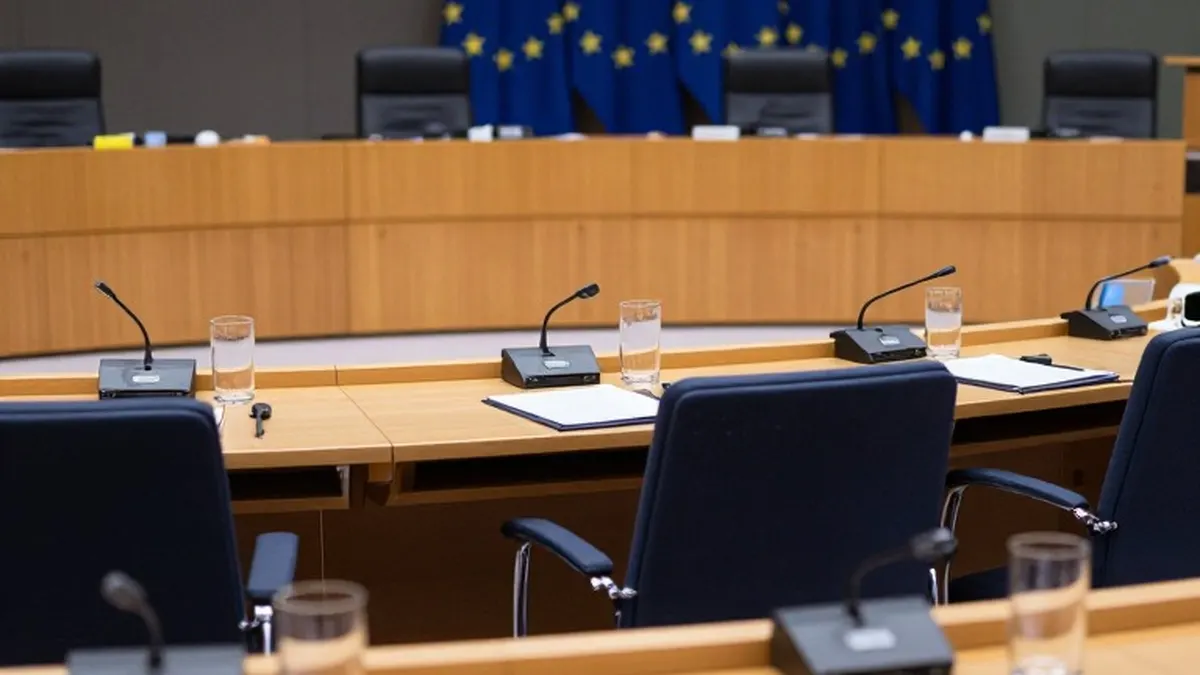
Talks on the European Union's 2028-2034 budget broke down on 26 November after several national leaders left negotiations in protest over how the discussions were being conducted, according to Politico, as reported by European Pravda. The extraordinary European Council summit exposed divisions over both the size of the budget and where EU money should go.
European Council President António Costa had convened the meeting to narrow differences between opposing groups of governments rather than secure a final deal. Spain and Italy are among those seeking greater support for traditional spending priorities, including agriculture. Germany and Sweden favour limiting the budget's ambitions and shifting funds towards defence and security.
After several hours of discussions in smaller groups, the leaders of Denmark, Sweden, Belgium and Austria withdrew from the negotiations. All four support a smaller budget. They argued that the format encouraged countries to turn against one another. A diplomat representing a government seeking lower spending described the approach as an attempt to split their group by offering individual concessions.
Criticism also came from the other side of the budget debate. A diplomat from a country supporting higher spending said the small-group format was ill-suited to negotiations because governments did not want to disclose their firm limits to rivals. An EU diplomat said the boycott followed Finnish Prime Minister Petteri Orpo becoming very angry about Costa's handling of the talks. Austria said members of the self-described Sensible Seven group had attended two breakout sessions before concluding that further sessions would not help produce a solution.
Costa subsequently dropped plans to continue discussions on the summit's second day. His closing press conference alongside European Commission President Ursula von der Leyen lasted just 11 minutes. Leaders from the EU's 27 member states are now expected to try again at their December summit, which officials believe could stretch across several days and nights.
Although another year technically remains to settle the seven-year spending plan, EU leaders want an agreement before France's April elections. The source described far-right leader Marine Le Pen as the favourite to win the presidency. A visibly angry President Emmanuel Macron warned that extending negotiations beyond the new year would bring them too close to the election and would be democratically impossible.
Macron's position drew criticism from an EU diplomat, who accused him of making the negotiations dependent on France's domestic election timetable. The same diplomat said Costa had told leaders he intended to reduce the European Commission's proposal by another €220 billion to €230 billion, bringing it close to the demands of governments seeking spending restraint.
The budget dispute was not the summit's only unresolved issue. EU leaders also ended the 26 November meeting without finalising an agreement on funding for Ukraine in 2027.