Michigan Senator-elect Abdul El-Sayed backs Trump plan to end Israel military aid
The newly elected senator supports ending US military assistance to Israel and urges a full stop to weapons sales, aligning partially with President Trump's recent announcement.
By Evelyn Adeyemi ·
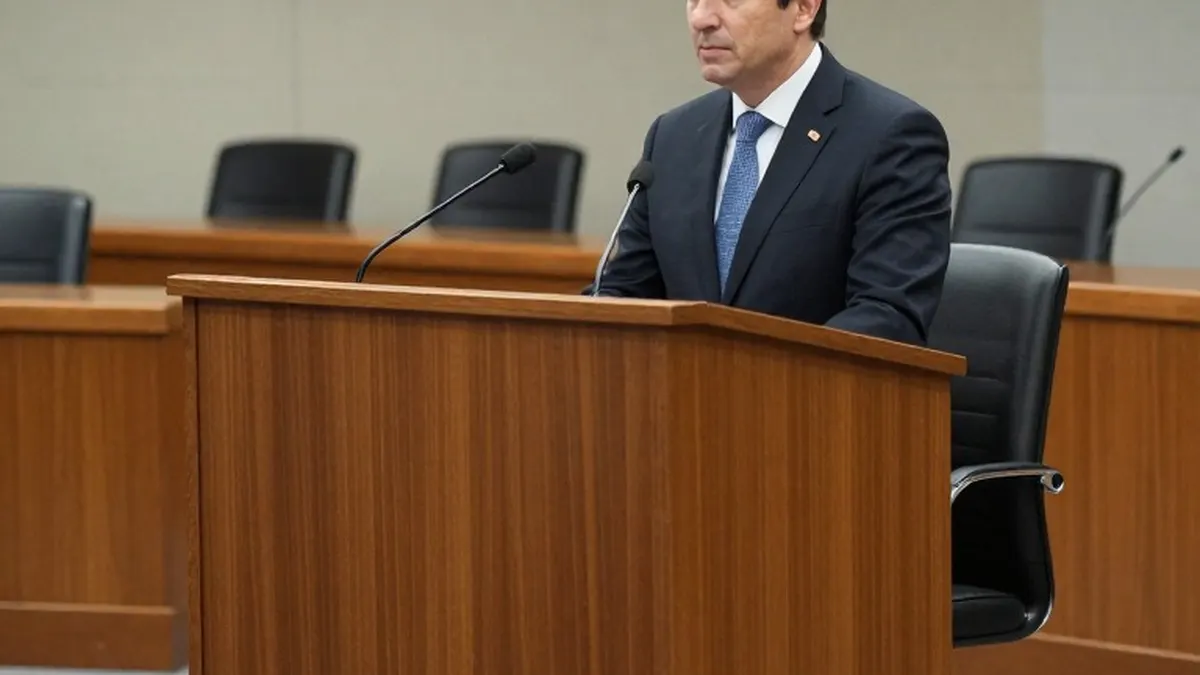
Michigan Senator-elect Abdul El-Sayed expressed support for US President Donald Trump's proposal to terminate military aid to Israel, while also advocating for a complete halt to American arms sales to the country, according to a report by NPR on Wednesday.
In an interview with NPR, El-Sayed stated that he believed the president was correct in his policy direction. He added that he wanted the United States to stop selling weaponry that is used for what he described as the worst outcomes, including genocide and apartheid, in Israel.
El-Sayed secured his position by defeating Republican Mike Rogers in Michigan's Senate race on Tuesday. During the interview, he also called for a comprehensive review of US military support provided to Egypt, Saudi Arabia, Jordan, and Pakistan. He argued that American taxpayer dollars would be better spent on domestic needs rather than foreign military assistance.
The announcement came shortly after Trump revealed on Tuesday that he had reached an agreement with Prime Minister Benjamin Netanyahu several months prior. The deal aims to end approximately $4 billion in annual US military aid to Israel by December 2026. Trump noted that Israel would retain the ability to purchase American weapons and could still receive assistance if necessary.
However, the specifics of the agreement remain unclear. The current US-Israel military assistance agreement provides Israel with $3.8 billion annually through fiscal year 2028, which raises questions about how the administration plans to implement the proposed financial cuts.
In a separate interview with Fox & Friends on Tuesday, Trump claimed that Netanyahu had initially proposed ending the assistance. The president quoted Netanyahu as saying, "I think it would be appropriate if we do not receive aid." Despite the proposed reductions, Trump reaffirmed his administration's commitment to Israel, emphasizing the strong strategic partnership between the two nations.
Trump described his relationship with Israel as one of tremendous partnership, noting that the US and Israel work together to maintain stability in the Middle East. He characterized the dynamic as one where the US acts as the larger power and Israel as a smaller but vital partner.
Netanyahu had previously indicated his intention to gradually reduce Israel's dependence on US military assistance. In an interview with The Economist earlier this year, the prime minister stated he wanted to cut Israel's reliance on American financial support to zero within the next decade. He described the process as already in progress and argued that greater independence could improve Israel's international standing.
El-Sayed's opposition to US military assistance for Israel was a central theme throughout his Senate campaign. The Michigan Democrat frequently accused Israel of committing genocide in Gaza and called for an end to American military support. His stance became a significant point of contention during the election, particularly after Democratic Representative Haley Stevens, whom El-Sayed defeated in the primary, withdrew her endorsement to back Rogers instead.
During his victory speech, El-Sayed reiterated his position, stating that the public did not want its money sent to support apartheid, genocide, or war. His comments on Wednesday placed him in an unusual position of agreement with Trump regarding the end of military aid, although the two differ on whether Washington should continue selling weapons to the country.
Source: The Jerusalem Post