COP31: Nations Bet on Electrification to Break Climate Deadlock
As the UN climate conference opens in Antalya, co-hosts Turkey and Australia are championing a target to source 35 percent of final energy consumption from electricity by 2035, hoping an energy crisis born of war will revive stalled talks.
By Lorenzo Evans ·
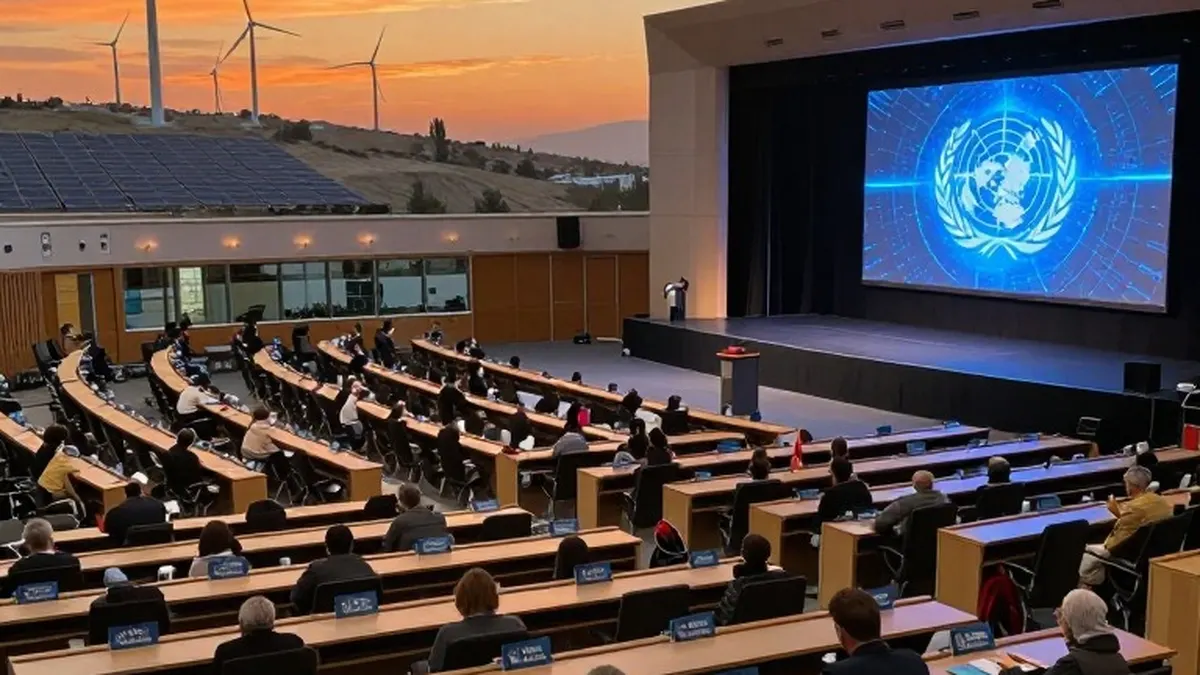
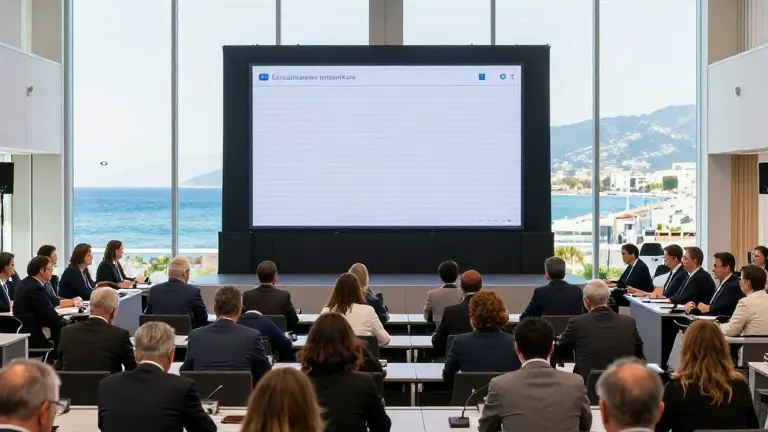
The international community gathers in Antalya, Turkey, from November 9 to 20 for COP31, the 31st UN climate conference. This round of negotiations opens against a grim backdrop: geopolitical tension, a summer of disasters, and a warning in the UN's annual report, published on October 21, that the world is on track for 2.8 degrees Celsius of warming by 2100 if nothing changes, and 2.6 degrees even if current efforts continue. The Paris Agreement's 1.5 degree goal now appears out of reach.
Yet climate advocates see an opening in the very crisis overshadowing the summit. "This COP is the first since the situation in the Strait of Hormuz plunged the world into an unprecedented energy crisis," said Gaïa Febvre, head of international policy at the French advocacy group Réseau action climat. She noted that leaders and citizens everywhere have watched hydrocarbon prices soar, sharpening awareness of dependence on fossil fuels.
Recent conferences have failed to confront the main drivers of warming: gas, coal and oil. COP28 in Dubai in 2023 produced a painstaking agreement on the need for a "transition away from fossil fuels", but implementation debates stalled and COP30 ended without any mention of the issue in its final text. "There is an alignment between issues of energy sovereignty and climate ambitions," Febvre said.
Seeking to capitalise on that momentum, COP31 co-chairs Australia and Turkey have put forward an alternative: electricity. At preparatory talks in Bonn in June, they proposed a target, dubbed "35-35", for electricity to supply 35 percent of final energy consumption by 2035. Turkey's environment minister Murat Kurum called electrification "the most important pillar in reducing emissions". Australia's climate and energy minister Chris Bowen framed it as energy security: "No one can sanction the sun, no one can blockade the wind," he said, adding that solar energy travels 150 million kilometres to Earth but does not have to pass through the Strait of Hormuz.
Electrification is due on the COP31 agenda on Tuesday, a day dedicated to energy, when the presidency is expected to invite countries to voluntarily commit to the 35-35 target. Several countries, including EU members, have signalled they would respond favourably, and Turkey also wants the issue debated in the formal negotiations so it enters the final agreement, which requires consensus.
The trend is already moving. Electricity accounted for 23 percent of final energy consumption by the end of 2024, according to the International Energy Agency, and renewables generated more electricity than coal for the first time in 2025. "Japan, for example, has already reached 35 percent of its energy from electricity. China is approaching 30 percent. The EU and the US are in line with the global average at respectively 23 and 22 percent," said Gareth Redmond-King of the UK-based Energy and Climate Intelligence Unit. France, which has just announced a substantial electrification plan, sits at about 27 percent. Climate Action Tracker analysis suggests the share would reach only 28 percent by 2035 under unchanged policies, but Redmond-King called the goal achievable with political will and investment, citing the spread of electric cars and heat pumps driven largely by China.
What the electricity is made from, however, promises a "battle of words" in Antalya. Febvre expects disputes among backers of "clean" energy, meaning renewables and nuclear, advocates of "green" energy from renewables only, and those unwilling to abandon fossil fuels. India, much of Africa and oil-producing countries would likely reject any "clean" or "green" wording, while the EU is expected to push for decarbonised sources including nuclear. The Turkish presidency's draft text calls for raising electricity's share "in line with pathways consistent with keeping 1.5°C alive" alongside renewable expansion and efficiency, without requiring the power itself to be low-carbon. Turkey illustrates that ambiguity: Ember says 43 percent of its electricity came from clean sources in 2025, yet it keeps building coal plants.
Experts also stress that the transition must be fair, with developed countries supporting the Global South and the private sector joining in, and that rising demand from air conditioning, heating and artificial intelligence data centres makes energy conservation essential. "It's no longer a matter of adding this energy to our current resources, but of permanently replacing fossil fuels," Febvre said. Even if COP31 delivers an ambitious electrification pledge, the hardest part, acting on it, would still lie ahead.