Qatar appointed as protecting power for Canada in Afghanistan
Qatar has been appointed as Canada's protecting power in Afghanistan to provide consular services following the Taliban's return to power.
By Lorenzo Evans ·
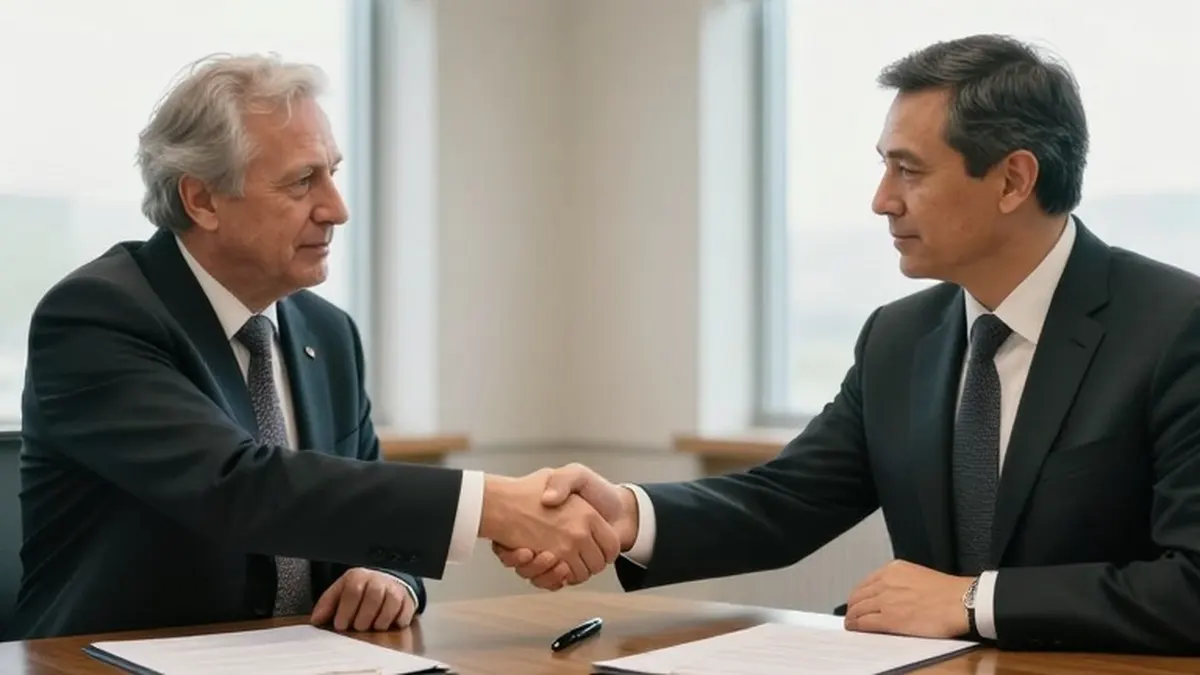
Qatar has been designated as the protecting power for Canada in Afghanistan, a move intended to restore consular services for Canadian citizens in the region. The arrangement was formalized on Wednesday in Ottawa when Qatari officials signed an investment protection pact. This agreement addresses a significant gap that has existed since the Taliban retook control of Afghanistan five years ago, during which time direct consular support from Ottawa has been unavailable.
A protecting power is a nation that acts on behalf of another country to provide diplomatic and consular assistance in locations where the latter does not maintain a physical mission. Because Ottawa classifies the Taliban as a terrorist organization, it has not established an embassy in Kabul. The Taliban assumed power in August 2021 following the withdrawal of United States military forces, leaving many countries without direct diplomatic representation in the capital.
Canada has previously utilized similar arrangements with other nations, typically those with democratic governments. For instance, Italy provides consular support for Canadians in Iran, while Sweden performs the same function for those in North Korea. In 2014, Romania handled consular matters for Canadians in Syria. The new partnership with Qatar may enable Ottawa to extend services to Canadians who are detained in Afghanistan, including allowing a Qatari diplomat to visit a Canadian in jail to assess their condition.
Ben Rowswell, a former deputy ambassador to Afghanistan, noted that the agreement could assist Canadian aid workers who encounter issues with local authorities. He suggested that Qatar might also help with the resettlement of former Afghan interpreters whom Ottawa has sought to bring to Canada. Rowswell, who is a consultant with the Toronto firm Catalyze4, stated that the partnership could open possibilities for addressing social and economic issues affecting the Afghan population. He emphasized that Qatar has built a trusted relationship with the Afghan government and maintains excellent access within the country.
Arif Lalani, Canada’s former ambassador to Afghanistan and a senior fellow at the Centre for International Governance Innovation, explained that the agreement is necessary because Canada has citizens and charities working in the country who require consular access. He noted that countries generally reimburse each other for such services. Lalani acknowledged that Qatar is an autocratic state with a human rights record that differs from Canada’s traditional partners. However, he argued that having a G7 nation trust Qatar as a protecting power strengthens Qatar’s international standing.
Global Affairs Canada has not yet confirmed when the arrangement takes effect, the associated costs, or whether Canadian diplomats will be deployed. In January 2025, Ottawa praised Qatar for helping secure the release of former Canadian soldier David Lavery after weeks of Taliban detainment. Previously, in 2022, Canada considered using the European Union’s compound in Kabul for tasks like fingerprinting but decided the logistics were too complex.
Rowswell and Lalani both argue that the absence of a Canadian embassy limits Ottawa’s ability to advance its interests. Lalani stated that protecting the human rights of girls, boys, and others is difficult without a physical presence. Rowswell added that having staff on the ground to speak with Taliban officials could provide better intelligence and influence, citing Canada’s historical advocacy against apartheid in South Africa as a comparable example.
While some former diplomats argue that diplomatic relations with the Taliban could compromise Canadian values, others view the Qatar partnership as a pragmatic solution. Rowswell does not expect Ottawa to arrange many similar deals with other autocracies, noting that Afghanistan is one of the few places where democracies lack diplomatic representation. Canadian officials have held discussions with Taliban representatives in Qatar on issues such as education for girls, amid ongoing reports of gender-based violence and restrictions on women’s freedoms in the country.