Coroner concludes Ballymacombs More Woman was beheaded over 2,000 years ago
A unique investigation in Northern Ireland determined that an Iron Age woman found in a bog was decapitated from behind, offering new insights into ancient ritual practices.
By Evelyn Adeyemi ·
A coroner’s investigation into Northern Ireland’s longest-standing cold case has concluded that the victim was decapitated more than 2,000 years ago. The inquiry, which focused on the remains known as the Ballymacombs More Woman, determined that the individual was between 15 and 22 years old at the time of death. Evidence indicates she was beheaded from behind using a bladed weapon.
The proceedings, held at the Ulster Museum on Monday, were not a formal legal inquest but adopted the structure and methodology of a coroner’s investigation. The panel drew on the latest archaeological, forensic, and scientific evidence to examine the circumstances of the death. The investigation was chaired by Joe McCrisken, the coroner for Northern Ireland, who noted that the goal was not to impose modern legal conclusions on the distant past. Instead, the aim was to provide a framework for assessing the evidence and telling the story of a previously unknown young woman.
McCrisken emphasized that although separated from the modern era by more than 20 centuries, the woman was once a living member of her community. The investigation sought to restore an understanding of her life, death, and place in history to the extent possible.
While the precise circumstances of the death remain unknown, the evidence suggests it was part of a broader tradition of ritualized killing and sacrifice. This practice is documented among other Iron Age bodies discovered across northwestern Europe. Hannah Crowdy, head of curatorial at National Museums NI, stated that the detailed research has allowed the team to share her story with clarity and confidence. She added that the discovery provides significant insight into the Iron Age and how society has evolved over time.
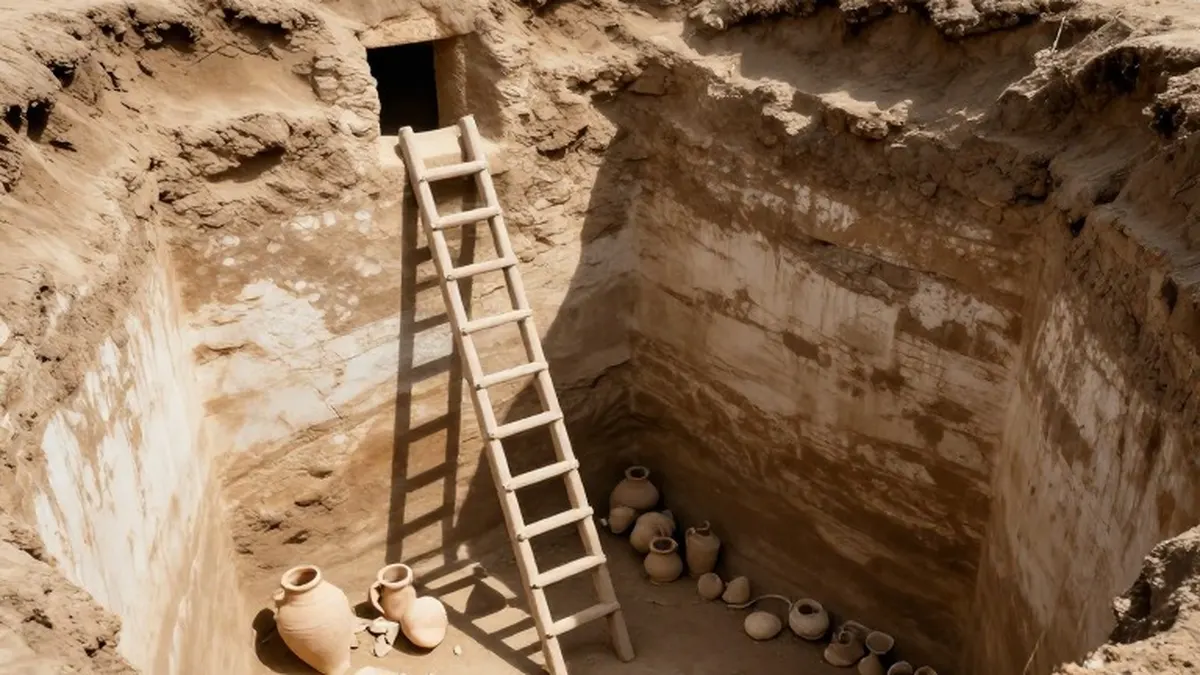
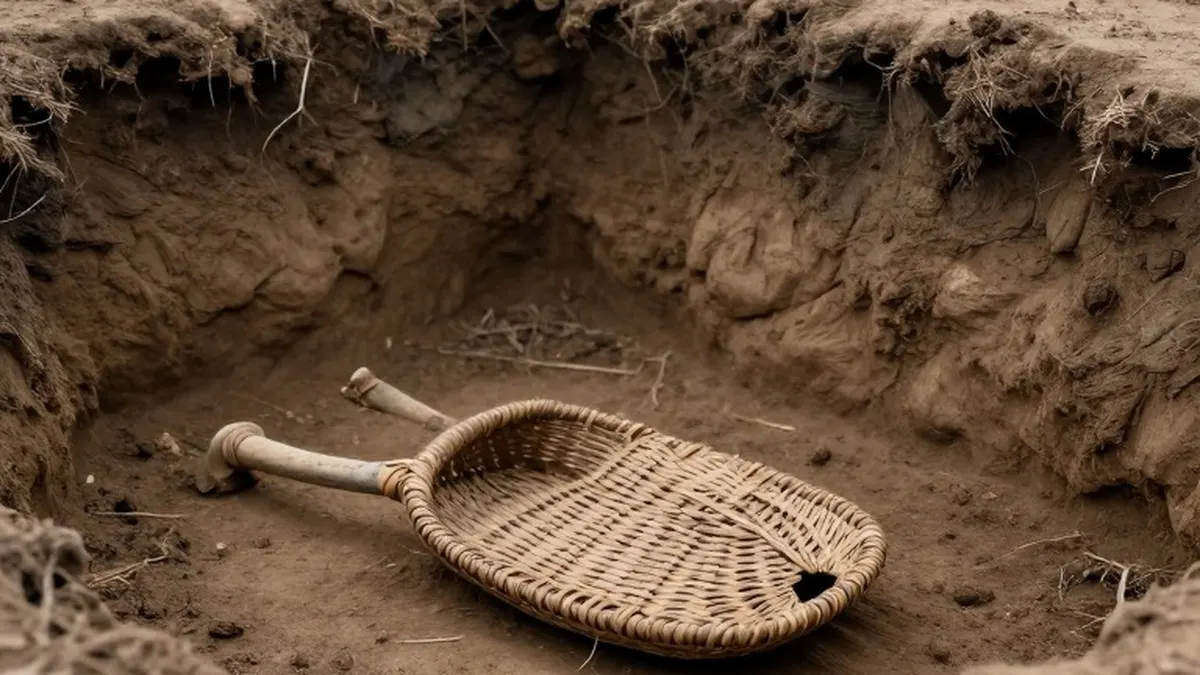
The remains were discovered in October 2023 by peat workers in a bog in the townland of Ballymacombs More outside Bellaghy. An archaeological excavation followed, uncovering bones and a woven artefact, though no skull was found. Initially thought to be male, the body was dubbed the Bellaghy Boy. It was later identified as female and renamed the Ballymacombs More Woman. Local residents have also referred to her as Áine, a name taken from a mythical goddess.
Previous bog body discoveries, including Ireland’s Clonycavan Man and Denmark’s Tollund and Grauballe Men, have previously provided researchers with valuable insights into Iron Age societies. These finds also inspired poetry by the late Nobel laureate Seamus Heaney, who grew up near Bellaghy.
The coroner’s investigation received the imprimatur of Siobhan Keegan, the lady chief justice, as part of the judiciary’s outreach programme. The panel included specialists from Irish, UK, and Danish universities. Witnesses interviewed included officers from the Police Service of Northern Ireland and employees of Bulrush Horticulture, whose work led to the initial discovery.
To establish who the deceased was and determine where, when, and how she died, the inquiry utilized advanced techniques such as micro-CT scanning, digital mapping, and 3D imaging. Crowdy described the remains as a bridge to the Iron Age. She noted that her legacy will serve as a crucial resource for research and learning, reminding the public of the relevance of museums in connecting the past to the present for both visitors and academia.