831 Flights Cancelled as Typhoon Champi Weakens to 155 km/h
A massive storm system has disrupted air travel across the western Pacific, forcing evacuations in Taiwan and causing injuries in Japan and the Philippines.
By Evelyn Adeyemi ·
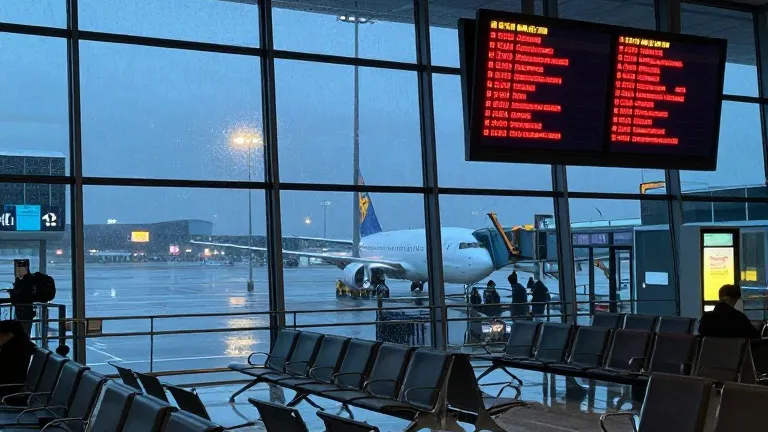
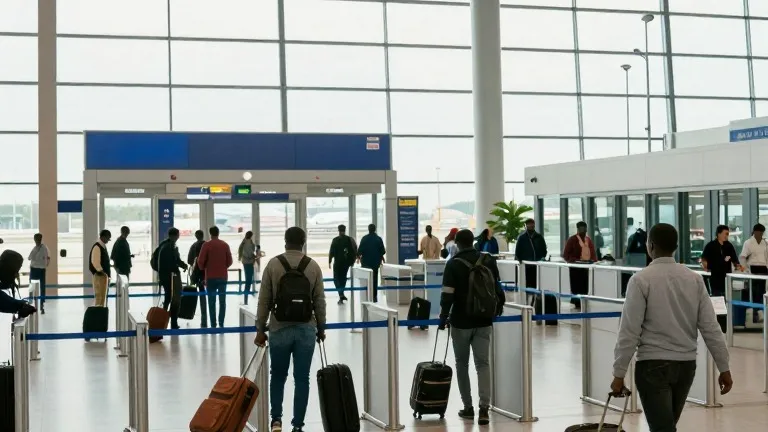
A total of 831 flights were scrubbed from schedules across the western Pacific on Friday as Typhoon Champi continued its path through the region. The cancellation spree included all 262 domestic services and 669 international routes operating out of Taiwan’s main airports. This significant halt to air traffic coincided with the storm’s passage near the island, which prompted authorities to close schools and government offices while keeping high-speed rail lines on the western coast fully operational.
Meteorological data indicates that the system has lost considerable strength since reaching its peak intensity earlier in the week. Maximum sustained winds have dropped from 298 kilometres per hour to a current speed of 155 kilometres per hour as the typhoon approaches from the southeast. Forecasters track the centre of the storm as it remains offshore, moving past the northeastern tip of Taiwan before turning northward toward the southwestern islands of Japan. The current radius of the system spans approximately 320 kilometres, a width sufficient to cover the majority of the main island.
The weather event has already claimed one life in Taiwan. Fire department officials reported that a person died on Thursday after being swept away by waves in Liuqiu, a small island located off the southeastern coast. In addition to the fatality, ninety-four other individuals sustained injuries during the storm. The government has confirmed that more than 2,600 residents have been evacuated from vulnerable mountainous regions to ensure their safety.
Taiwan’s Central Weather Administration issued specific guidance for the public, advising those in coastal zones to limit outdoor activities and avoid driving. Citizens were also warned to remain vigilant for falling objects due to the strong gusts. Despite the severe conditions elsewhere, transport networks in the capital, Taipei, remained largely intact. The subway system continued to run, and the city experienced only light showers and moderate winds, suggesting that the most severe impacts will be localized to other areas.
The typhoon’s effects extend beyond the strait to southwestern Japan, where it has caused power outages and travel disruptions. In the Okinawa prefecture, a woman in her 70s suffered a broken leg after being struck by strong winds on Miyako island. On nearby Ishigaki island, nearly 2,000 households lost electricity. Aviation authorities have cancelled dozens of flights connecting Miyako, Ishigaki, and Okinawa, further isolating these remote locations during the weather event.
The northern Philippines also faced significant disruptions on Friday. The coast guard prohibited ships and ferries from sailing in rough waters off several northern towns and cities. In Basco, the capital of Batanes province, the main domestic airport was closed, and two local flights were cancelled. Aviation officials noted that windows at the facility were boarded up as a precautionary measure against potential debris and high winds.
In Cagayan province, nearly 200 people relocated to safer ground, with almost 100 taking refuge in government-run emergency shelters. Provincial authorities suspended classes at all educational levels in the island town of Calayan. The storm had previously passed over several Pacific islands, including Guam, where a federal disaster area was declared earlier this month. Experts anticipate that the system will reach Japan’s southern mainland on Monday, while its greatest impact on Taiwan is expected to persist through Saturday.
The progression of Typhoon Champi highlights the interconnected nature of weather systems in the western Pacific. As the storm weakens, regional authorities continue to monitor conditions and adjust transport and safety protocols. The widespread cancellations and evacuations underscore the need for coordinated responses across borders, particularly in island nations and coastal regions where infrastructure is vulnerable to high winds and heavy rain. The coming days will be critical for assessing the full extent of the damage and restoring normal operations in the affected areas.
Source: CBC News