Gaza children face delayed growth as food shortages and treatment barriers persist
Families struggling to feed their children face costly and limited medical care as specialists report more cases of growth problems in Gaza.
By Evelyn Adeyemi ·
Seven-year-old Nabigha al-Zaqzouq stands 99cm tall and weighs 10kg, appearing several years younger than her age. In Khan Younis, Gaza, her mother, Alia, struggles to afford both a varied diet and the medicines and tests needed to assess her growth. When Nabigha compares herself with other children, she asks her mother: “Will I ever get taller?”
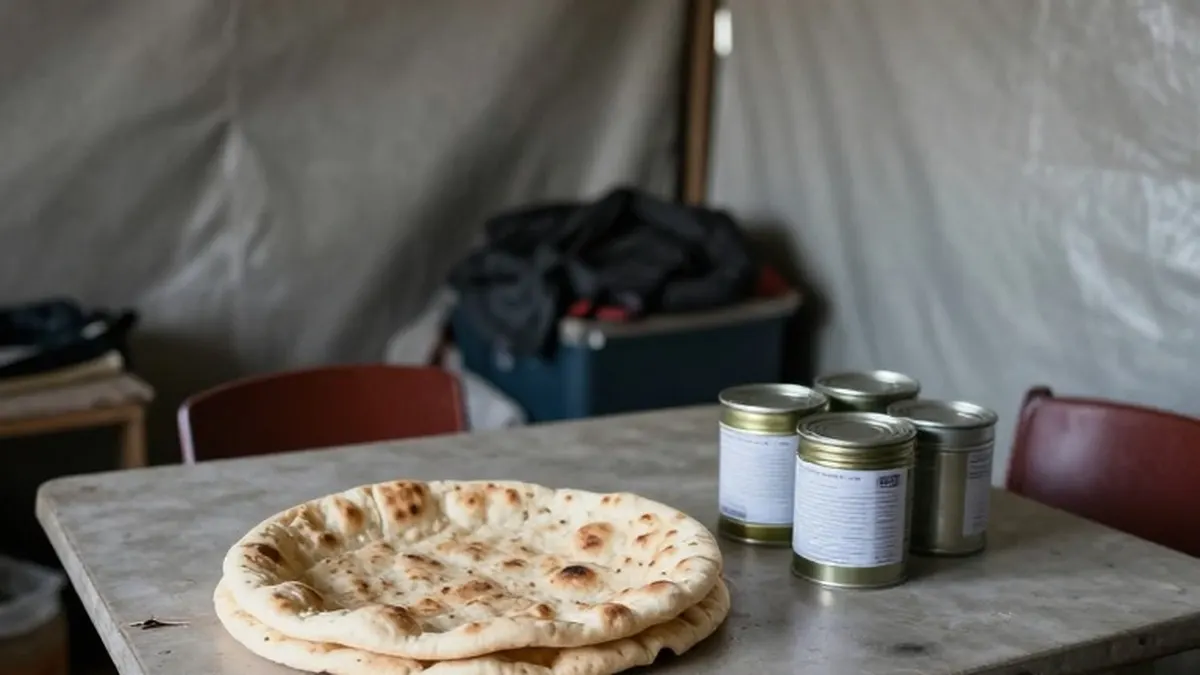
Bread and canned goods feature among the family's limited food choices, with meat, vegetables and fruit unaffordable. Alia says hardship has continued under the blockade following the ceasefire. Another parent, Tahrir Zidan, says his five-year-old daughter Tala has barely grown taller in two years and has lost weight. At 94cm, she is about 15 to 16cm shorter than the average child her age.
Zidan lost his job after the family was displaced from Khuza’a to al-Mawasi. They depend on community kitchens, but he says the meals run out before most family members have eaten enough. Both Tala and her brother Mohammed have malnutrition and growth difficulties. Their experiences reflect a broader crisis in which inadequate nutrition is compounded by disrupted healthcare and difficulties obtaining diagnosis and treatment.
A survey conducted by UNICEF and its partners in accessible parts of Gaza from May 31 to June 15, 2026, found stunting among 12.2 percent of children younger than five. Just 22.4 percent of children aged six to 23 months received a minimum acceptable diet. Nutritionist Nada Abu al-Nada says rising prices and declining purchasing power have pushed families towards bread, rice and pasta while reducing their access to protein-rich foods, dairy products and fresh produce.
Abu al-Nada says children need sufficient energy, protein and nutrients such as iron, zinc and calcium to develop. During prolonged deprivation, the body gives priority to essential functions at the expense of growth. She puts average food availability before the war at about 2,580 calories per person daily, while estimated average consumption has fallen to approximately 1,000 calories. The first 1,000 days from conception to age two are especially important, although older children remain vulnerable. Contaminated water and gastrointestinal illnesses can worsen nutritional deficiencies.
At Nasser Hospital, endocrinologist and diabetes specialist Hani Sayed Zuhair says a clinic session now brings between 30 and 40 children with growth problems, sometimes more, compared with roughly 15 to 20 before the war. He has seen eight-year-olds with skeletal development typical of children half their age. However, he cautions that short stature can also involve hormonal disorders, chronic disease or several overlapping causes. Nutritional deprivation can aggravate these conditions, and its effects may emerge much later.
Assessing growth requires height and weight monitoring alongside medical tests, but access is restricted. Zuhair says growth hormone stimulation tests are unavailable in Ministry of Health laboratories and offered only intermittently by some private laboratories because supplies are scarce. Tests cost between 350 and 400 shekels, equivalent to $106 to $120. Growth hormone injections cost 80 to 120 shekels, or $24 to $36, per dose, with repeated doses potentially required.
Treatment also depends on suitable storage temperatures, regular medical follow-up and adherence to prescribed doses, all difficult to sustain amid war and blockade. Abu al-Nada says some children can recover lost growth with improved nutrition and sufficiently early intervention. Their prospects depend on age, the severity and length of deprivation, and other health conditions. Recovery becomes harder after bone growth plates close.
The potential consequences reach beyond height. Protein and micronutrient shortages can contribute to anaemia, reduced muscle mass and weaker immunity, as well as difficulties with concentration, learning and cognitive development. Stress, poor sleep, repeated illness and displacement add to those pressures. For Alia and Zidan, securing adequate food and treatment remains a daily struggle, leaving their children's future growth uncertain.