US Appeals Court Allows Trump Administration to End Venezuelan TPS Protections
A federal appeals court has cleared the path for the Trump administration to remove deportation protections for approximately 600,000 Venezuelans, reversing a lower court order.
By Khalid Khalil ·
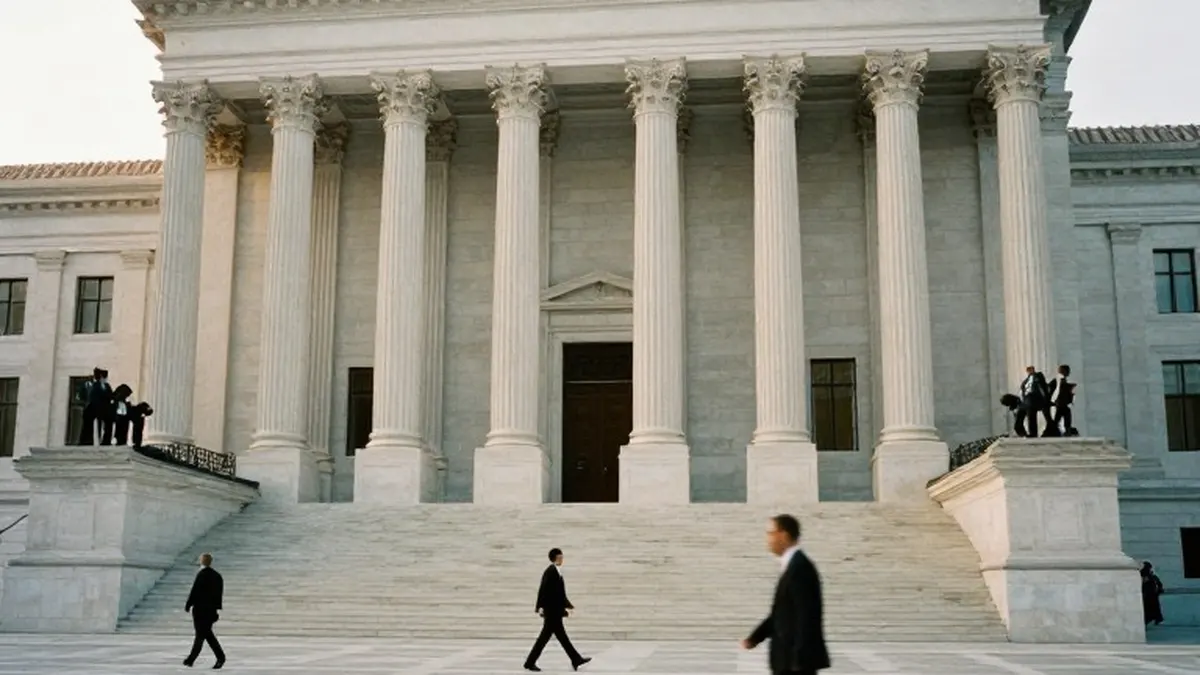
A United States appeals court issued a ruling on Wednesday that permits the administration of President Donald Trump to proceed with the removal of deportation protections for Venezuelan nationals. This decision effectively cancels a previous order from a lower court judge, which had mandated that the government restore Temporary Protected Status, known as TPS, for this group.
TPS is a provision that allows foreign nationals already residing in the United States to remain in the country while conditions in their home nations are deemed too dangerous or unstable for a safe return. The move to end these protections is part of a broader strategy by the current administration to carry out what it describes as the largest deportation effort in US history.
In September 2025, US District Judge Edward Chen had blocked the expiration of TPS for Venezuelans. He argued that deporting these individuals would place them in harm's way. Additionally, Judge Chen ruled that the Trump administration had exceeded its authority by attempting to shorten TPS extensions that were originally granted under the preceding administration of President Joe Biden. The judge stated that such decisions required careful study and analysis.
Approximately 600,000 Venezuelans in the US were covered by these TPS programs. While the Supreme Court temporarily paused Judge Chen's ruling in October 2025, that pause expired earlier this month. Without the pause, Chen's order was scheduled to take effect on Friday, which prompted the Trump administration to file an emergency request with the Supreme Court to extend the suspension before the appeals court issued its Wednesday decision.
The appeals court's decision does not dismiss the ongoing legal challenges to the administration's efforts to revoke TPS extensions. Instead, it allows the government to suspend deportation protections while those challenges continue to work their way through the judicial system. This ruling provides the administration with the authority to move forward with its agenda despite continued legal scrutiny.
The Trump administration has argued that TPS designations are intended to be temporary and that previous presidencies extended such protections without sufficient cause. The administration has also contended that conditions in Venezuela have improved, citing a US military action on January 3 that resulted in the abduction of President Nicolas Maduro.
However, human rights advocates have countered that Maduro's government remains largely intact despite the military intervention. They point to accusations of abuses under the current leadership, ranging from arbitrary imprisonment to the torture of political dissidents. These concerns have fueled humanitarian arguments against ending the protections.
The US Department of State currently advises against travel to Venezuela, citing persistent issues such as crime, kidnapping, and poor health infrastructure. This official warning stands in contrast to the administration's position that conditions have improved enough to warrant the end of TPS protections.
Beyond TPS, the administration has sought to strip large numbers of immigrants of other legal protections to make them deportable. Programs such as humanitarian parole, which allows people outside the US to enter on a temporary basis to escape perilous conditions, have also come under increased scrutiny as part of this broader immigration strategy.