US President Investigates Iranian Dirty Bomb Plot Amidst Ongoing War
President Trump says the US is investigating an Iranian dirty bomb plot in Washington, though the White House states there are no credible threats at this time.
By Khalid Khalil ·
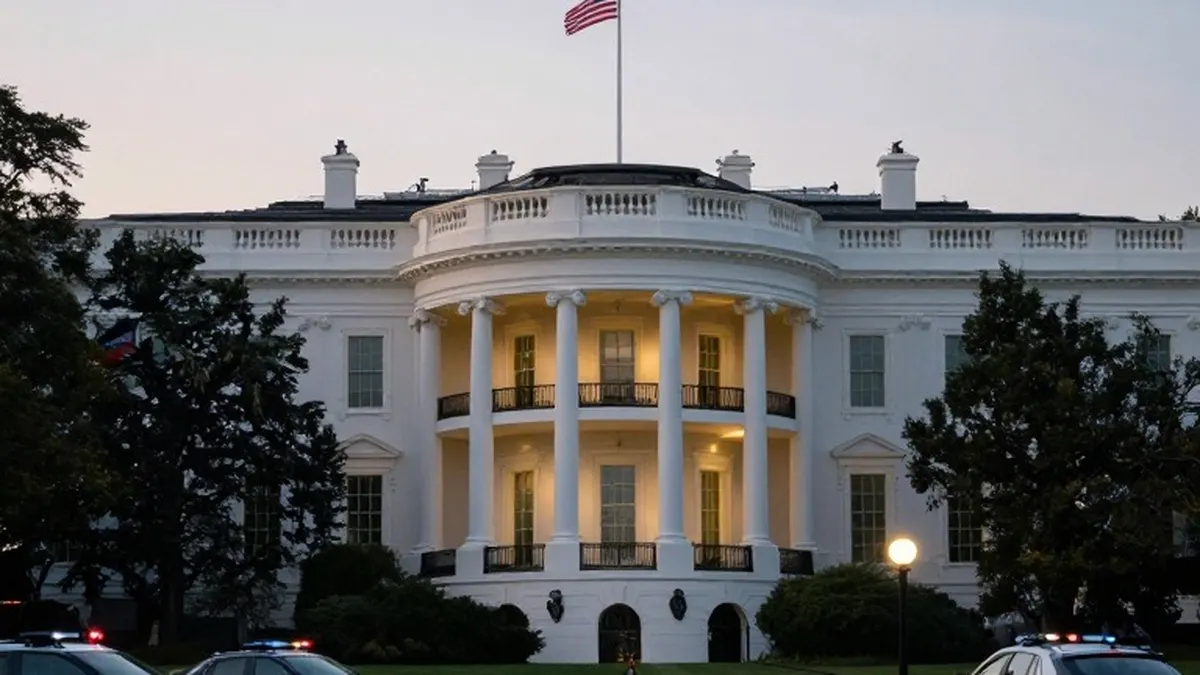
President Donald Trump stated on Tuesday that the United States is actively examining intelligence suggesting Iran is developing plans to detonate a dirty bomb in Washington. The president emphasized that his administration treats the potential threat with high seriousness, even as White House officials simultaneously downplayed the immediate risk to the nation.
The revelation follows a report by CNN that cited seven unnamed US officials. According to these sources, new intelligence indicates that Tehran is working on schemes involving a dirty bomb, which combines conventional explosives with radioactive material, or a chemical weapon. The stated objective of these plans is to target senior officials within the Trump administration.
Despite the president's strong reaction, a statement from White House spokesperson Lauren Bis clarified the administration's current stance. Bis said that while the White House remains vigilant in monitoring all potential threats, there are no credible threats to the homeland at this time. This creates a distinct contrast between the public rhetoric of the president and the more measured assessment of his staff.
Trump made these remarks while visiting the Philippines. When asked if there was reason to believe an Iranian attack was imminent, the president warned that if such an attack occurs, Iran will pay a price unlike any country has ever paid before. He added that he hopes an attack is not coming but noted that the situation is taken very seriously because he views the Iranian leadership as crazy.
US officials involved in the debate noted that the existence of these plans does not necessarily mean an attack is imminent. Instead, the planning is seen as an effort by Iran to give itself various options. However, the intelligence suggests that the plans include specific locations and targets, indicating a level of detailed preparation.
The context of this intelligence emerges during a deeply unpopular war between the US and Iran that began in February. The conflict started with early airstrikes that killed several Iranian officials, including Supreme Leader Ali Khamenei. Although Trump has repeatedly claimed the war will end soon, hostilities have continued to persist.
The war has had significant domestic political consequences. The US president's handling of the conflict is widely unpopular among American voters. This dissatisfaction was evident in the recent midterm elections, where the Republican Party was widely rejected by the electorate. The GOP lost control of both the Senate and the House of Representatives, marking a significant shift in congressional power.
Trump has argued that US involvement in the war is necessary to prevent Iran from building nuclear weapons. The conflict has also had global economic repercussions. Iran has blocked trade through the Strait of Hormuz, a critical route for oil shipments. This blockade has led to rising fuel costs and has rattled the global economy, adding another layer of complexity to the ongoing diplomatic and military standoff.
While there is no definitive evidence that Iran will go ahead with the dirty bomb or chemical weapon plots, the mere willingness to escalate tactics against the US is a notable development. The debate among US officials continues regarding whether Iran will attempt to execute such a plot, keeping the administration in a state of heightened alert.
The situation highlights the tension between the executive branch's public messaging and its internal intelligence assessments. As the war drags on and economic pressures mount, the potential for further escalation, including unconventional weapons, remains a central concern for US policymakers and the general public alike.