Surviving the Widemaker: A Rare Recovery
George Poindexter, a hospital transporter, returned to the facility where he collapsed to thank the staff who reversed a nearly fatal heart attack.
By Evelyn Adeyemi ·
George Poindexter is one of every ten patients who survive a cardiac arrest outside a hospital, a statistic that Dr. David Ahee, assistant director of emergency medicine at Henry Ford Providence Novi Hospital, described as exceptionally rare. Ahee noted that most patients do not return to their previous state of health, yet Poindexter, a hospital transporter in Plymouth, has fully recovered from a STEMI, also known as a widowmaker heart attack.
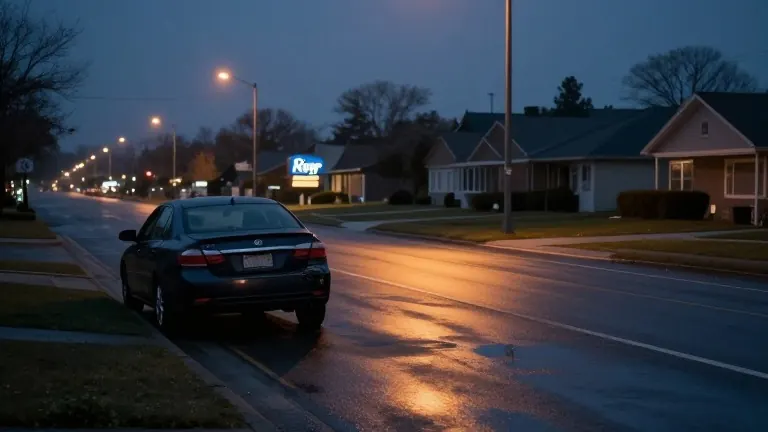
The incident occurred on October 14 at approximately 4:35 p.m. Poindexter was walking to his car after his shift when he collapsed just outside the heart institute. Angela Marshall, a certified registered nurse anesthetist from Novi, witnessed the event. She described the moment as sudden, noting that Poindexter did not slow down or clutch his chest before dropping to the ground. Marshall initially thought he had tripped, but upon checking his pulse, she found him unresponsive with his eyes rolled back.
Marshall began cardiopulmonary resuscitation immediately while calling for help. Myles Stephens, a medical assistant, arrived at the scene after leaving work two hours later than scheduled. He ran inside to retrieve an automated external defibrillator, or AED. Together, the two administered two shocks to Poindexter. Stephens reported that Poindexter regained a heartbeat and began breathing before paramedics from MedStar ambulance and the Novi Fire Department arrived. A third shock was administered during the short ambulance ride to the emergency room.
Hospital staff placed stents in Poindexter’s heart to treat the blockage. He was discharged three days later. The medical team determined that the STEMI was the cause, a condition hospital staff described as the worst kind of heart attack because it is almost always fatal. Without the immediate intervention, the outcome would likely have been different.
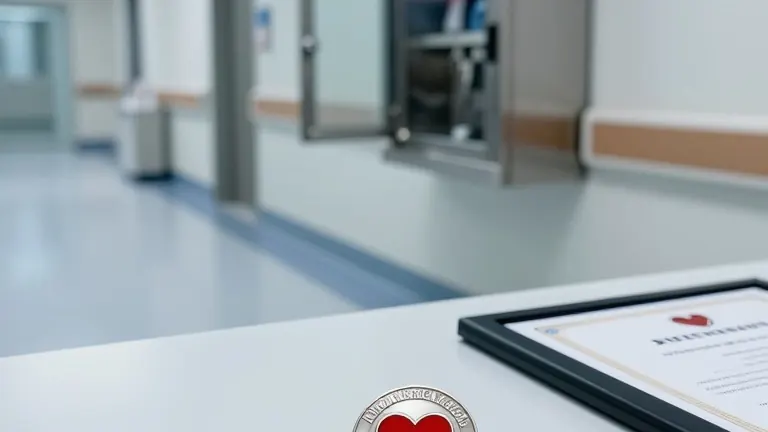
On November 23, Poindexter returned to the hospital to personally thank those involved in his survival. The recognition ceremony included Marshall, Stephens, and the emergency responders. Lt. Tim Porter and firefighter/EMTs Noah Jackson and James Perrin from the Novi Fire Department, along with paramedic Anna Rae and EMT Scott McInnes from MedStar, were also present. Each recipient received a certificate and a silver challenge coin featuring a replica of a human heart. The coins bore the inscription, "STEMI Time is Muscle," a concept adopted from awards given to soldiers during World War I.
Poindexter told the group that their actions allowed him to continue his life. He cited Matthew 13:16, thanking them for their eyes and ears. He described the 20 minutes his heart stopped as a period where the world moved on without him, but the responders refused to let it happen. Poindexter called them the hands and feet of grace in a world that needs it. He urged them to use his presence as a reminder of why they entered healthcare, noting that their work extends beyond a standard shift.
Marshall said the experience made her reassess her profession. She admitted that healthcare work often involves long hours and separation from family, but seeing Poindexter alive confirmed her purpose. She recalled the emotional response from hospital staff after the incident and the hug from Poindexter’s wife, which she said allowed her to feel his pulse. Stephens expressed happiness at seeing Poindexter moving and active. Poindexter said he hopes his story will help others.
The reunion marked the end of a medical event that had a high probability of death. Poindexter’s recovery stands as a specific case of survival against low odds. The hospital staff involved in the resuscitation have now been formally recognized for their quick response.