National Symphony Orchestra shifts season to six venues after Kennedy Center closure
Facing a 50% drop in ticket revenue and a reduced schedule, the 95-year-old ensemble is testing audience loyalty across the Washington region.
By Lorenzo Evans ·
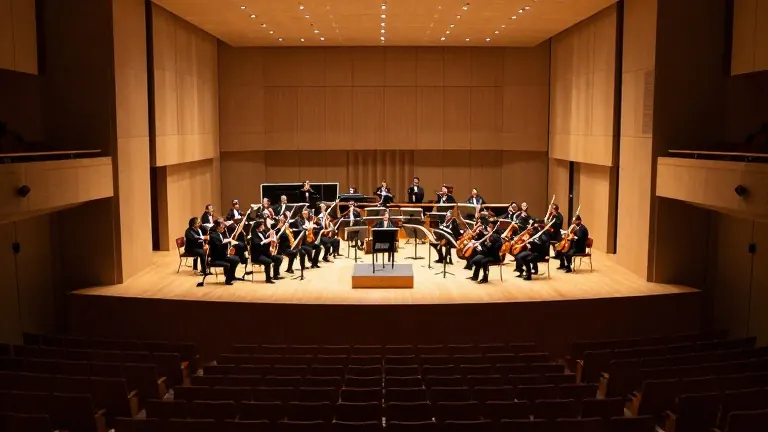
The 95-year-old National Symphony Orchestra is performing its current season in six separate venues across the Washington, D.C. region after losing its permanent home at the John F. Kennedy Center for the Performing Arts. The center closed its doors on Sept. 15, 2026, forcing the ensemble to relocate its operations just 11 days before the season opener.
The displacement stems from a series of disputes that led to the center’s temporary shutdown. These included declining ticket sales, public boycotts, and a federal court battle regarding the addition of President Donald Trump’s name to the building’s exterior. Trump assumed control of the institution in early 2025 following the dismissal of board members and former president Deborah Rutter. The orchestra has been based at the complex since it opened in 1971.
Gianandrea Noseda, the Italian conductor who has led the group for nine years, described the closure as a sudden shock. He stated that the news arrived like a cold shower and prompted immediate questions about the ensemble’s future. The musicians spent the intervening weeks securing alternative performance spaces while hoping to retain a portion of their budget.
Anne Midgette, a former classical music critic for The Washington Post, noted that the uncertainty threatened the existence of the season. She observed that the orchestra is deeply tied to the identity of the Kennedy Center. The new season was announced in mid-August, a delay caused by the need for budget approval from the board of trustees. This timeline left only six weeks between the announcement and the first concert.
The season began on Sept. 26 at the Music Center at Strathmore in Bethesda, Md. The program featured new works by Carlos Simon alongside compositions by Tchaikovsky and Respighi. Midgette described the opening night as bittersweet, marking a major city orchestra forced to perform outside its traditional hall.
Financial pressures are mounting. A report from The Washington Post in August indicated that ticket revenue is expected to fall by approximately half. Donations are projected to decline by a quarter, largely due to cuts in the Kennedy Center’s development department. The orchestra is also operating without most of its former staff, including executive director Jean Davidson, who left in March citing the institutional turmoil.
Rick Barber, the associate principal double bassist who joined the group in 1995, said the staff experienced anxiety during the months following the closure. He expressed confidence that the orchestra would not fold, attributing his resilience to a focus on the music itself rather than political divisions. Noseda extended his contract through 2031, rejecting the option to leave after Rutter’s firing. He said leaving would have been too easy and a form of cowardice, emphasizing his duty to serve the orchestra and the community.
The reduced schedule includes about half the number of concerts typically performed. Noseda aims to reach new audiences in different locations, viewing the situation as an opportunity to see the glass half full. Midgette called the season a test of how vitally audiences are invested in the ensemble. She noted that symphony orchestras nationwide are facing financial struggles, with some groups, including the Phoenix Symphony, closing entirely. Affordability remains a primary barrier for attendees, as ticket costs and travel expenses compete with daily necessities.
The outcome of the season will depend on whether audiences continue to support the orchestra in its temporary venues. Noseda maintains that the value of the art remains strong and that music can still bring people together. The duration of the orchestra’s absence from the Kennedy Center remains uncertain as renovations and legal matters proceed.
Source: WOSU-FM