Miami Tribe gains title to 45 acres in Ohio watershed
Three Valley Conservation Trust transfers Fossil Creek property to the Miami Tribe of Oklahoma, linking tribal stewardship with the cleanup of the Fernald uranium site.
By Lorenzo Evans ·
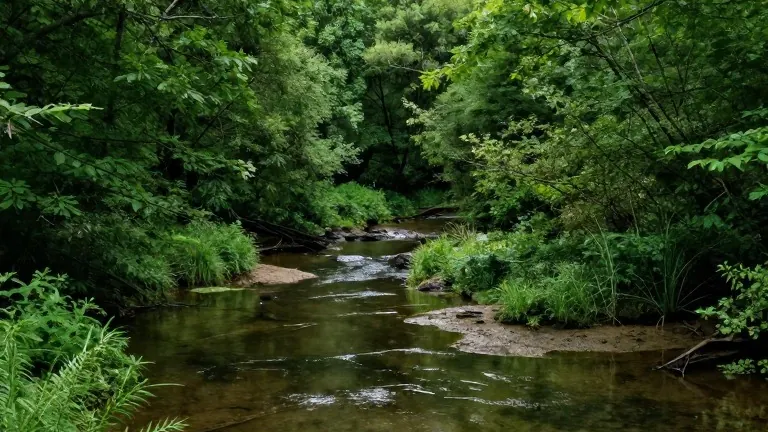
The Miami Tribe of Oklahoma now owns a 45-acre parcel of land in Butler County, Ohio, following a completed transfer from the Three Valley Conservation Trust. The property, known as Fossil Creek and situated in Morgan Township, sits within the Paddys Run watershed. This move marks the first time the tribe has held direct title to land in its traditional homeland in the state.
The transfer concludes a decade of stewardship by the conservation trust. Randy Evans, the trust's executive director, stated that the organization spent the last ten years deciding the best long-term outcome for the property. He noted that the trust has worked with the tribe for years and wanted to provide them the opportunity to own and manage lands with which they share a cultural connection. Evans said the trust remains the owner of the conservation easement on the property and will continue to work with the tribe on tasks such as surveys and invasive plant removal.
The land is a component of the Paddys Run Conservation Project, a larger initiative that protects 4,800 acres through conservation easements. Partners in this project, including the Ohio EPA and Three Valley, aim to improve water quality in the watershed. The water from Paddys Run flows into the Great Miami Aquifer, which lies beneath the former Fernald uranium processing facility from the Cold War era.
Hydrological flow from the watershed helps flush remaining uranium contamination in the aquifer toward extraction wells. The Ohio EPA reports that 16,000 pounds of uranium have been removed from the aquifer to date. The agency also announced last year that the uranium plume has shrunk from 196 acres to 69 acres. Current concentrations are considered safe under federal drinking water standards.
Kara Strass, director of Miami Tribe Relations at the Myaamia Center at Miami University, described the acquisition as a healing process. She said, "It feels like it's kind of allowing us to heal a little bit from the trauma of of forced removal and everything that's happened since that time." Strass emphasized that while tribal citizens can visit these areas, owning a place connected to the Miami people "since time immemorial" carries a different weight.
The Miami people were forcibly removed from their traditional homelands in Ohio and Indiana to Oklahoma between 1795 and 1846. Today, there are no federally recognized tribes headquartered in Ohio, though the tribe's influence remains visible in local place names. Strass expressed hope that this transfer encourages more public and private partners to work directly with the tribe to donate land or ensure access to it.
The Myaamia Center will utilize the new property for research and education. Strass explained that the Miami knowledge system is tied to understanding the landscapes of the Lower Great Lakes region. The center plans to conduct surveys of the forested areas and wetlands on the land. Strass said, "It's really important to have opportunities to get out on that land to learn from it and strengthen our knowledge." She noted that wetlands are particularly important to the tribe and are often difficult to access.
The property will remain in conservation status. Evans said the trust is honored to be part of a process where a property protected for more than a decade is now cared for by a sovereign tribal nation. He stated that the history and identity of the Miami people are connected to that place, and that connection will carry forward.