Zelenskyy Criticizes Trump's Warm Embrace of Putin After China Summit
Ukrainian President Volodymyr Zelenskyy has expressed strong disapproval over Donald Trump's friendly interaction with Vladimir Putin, comparing the Russian leader to World War II figures.
By Khalid Khalil ·
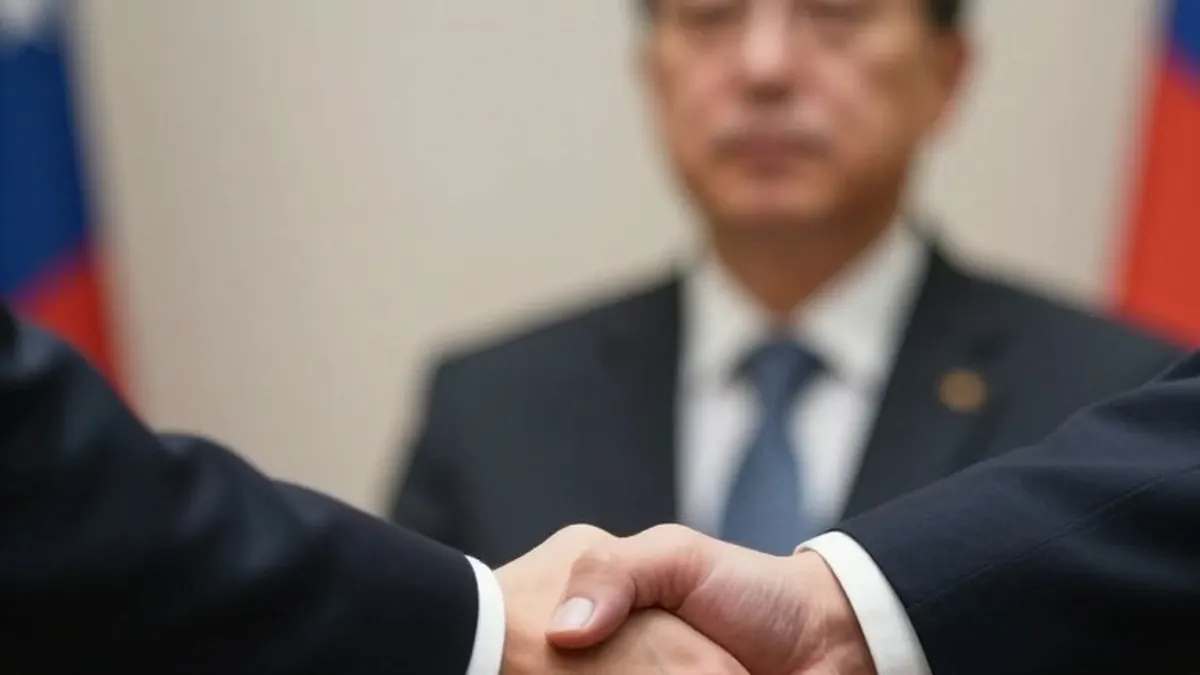
President Volodymyr Zelenskyy has voiced his dissatisfaction regarding the friendly manner in which US President Donald Trump greeted Russian leader Vladimir Putin during a recent trilateral summit held in China. In a new interview with the BBC, the Ukrainian head of state described Putin as an aggressor and a killer, arguing that the two leaders cannot be considered friends despite the warm displays of camaraderie observed by global audiences.
The remarks were made in response to questions about the specific interactions between Trump and Putin. During a bilateral meeting in the Chinese city of Shenzhen on November 19, Trump was seen hugging Putin and explicitly stating, "He's my friend." This physical display of affection, combined with subsequent social media posts, sparked discussion about the tone of the diplomatic engagement.
Zelenskyy acknowledged that the decision to adopt such a friendly stance ultimately rested with the US president. However, he found the approach strange given the ongoing conflict. He stated that Putin could not be a friend because of his role as an aggressor and killer. To illustrate his point, the Ukrainian leader drew a historical parallel, noting that it would be similarly strange to describe Adolf Hitler as a good friend during the Second World War.
Following the summit, Trump amplified the narrative of friendship by posting a photograph of himself alongside Putin on his Truth Social platform. The image was captioned with the words "my friend," which served as a focal point for Zelenskyy's comments. The Ukrainian president suggested that this public framing of the relationship was particularly difficult for many people to accept.
According to Zelenskyy, the reaction to the summit was deeply confusing for a significant portion of the public. He highlighted that the situation was especially painful for families who had lost their sons and daughters in the war. These families had placed their hopes on the US president, making the display of warmth toward the opposing leader feel contradictory to their expectations and losses.
The Ukrainian president emphasized that Ukraine continues to rely heavily on its relationship with the United States and its other allies. He stressed that the country remains committed to these partnerships. Nevertheless, he questioned how Ukrainians were expected to perceive a leader whom the US publicly described as a good friend, while that same leader was viewed domestically as a killer.
Zelenskyy reiterated that the dynamic observed in China did not align with the reality of the conflict for many in Ukraine. He maintained that the label of "friend" was inappropriate for Putin. The comments underscore the ongoing diplomatic tensions and the differing public perceptions of the US Russia relationship as the war continues.
The interview provides further insight into the Ukrainian leadership's perspective on the recent diplomatic maneuvers in Asia. By using strong language and historical comparisons, Zelenskyy aimed to clarify Ukraine's stance on the nature of the Putin Trump interaction. The response highlights the delicate balance between maintaining strong alliances and managing domestic expectations during a prolonged conflict.
Analysts may view these comments as a strategic effort to reinforce Ukraine's narrative ahead of future diplomatic engagements. The emphasis on the "aggressor" and "killer" labels serves to ground the political discussion in the tangible realities of the war. As the trilateral summit concludes, the differing tones from Washington and Kyiv suggest that aligning public messaging remains a significant challenge for both administrations.
The situation reflects the broader complexities of international diplomacy in the current geopolitical landscape. While physical gestures like hugs may signal intent to some, they carry substantial weight in the eyes of those directly affected by the conflict. Zelenskyy's comments serve as a reminder that diplomatic symbols are closely monitored and interpreted by all parties involved in the ongoing war.