Iraqi forces enter Kataib Hezbollah stronghold following political compromise
Iraqi security forces have deployed in the Kataib Hezbollah stronghold of Jurf al-Sakhar following a political compromise, amid ongoing disputes over oil smuggling and militia influence.
By Lorenzo Evans ·
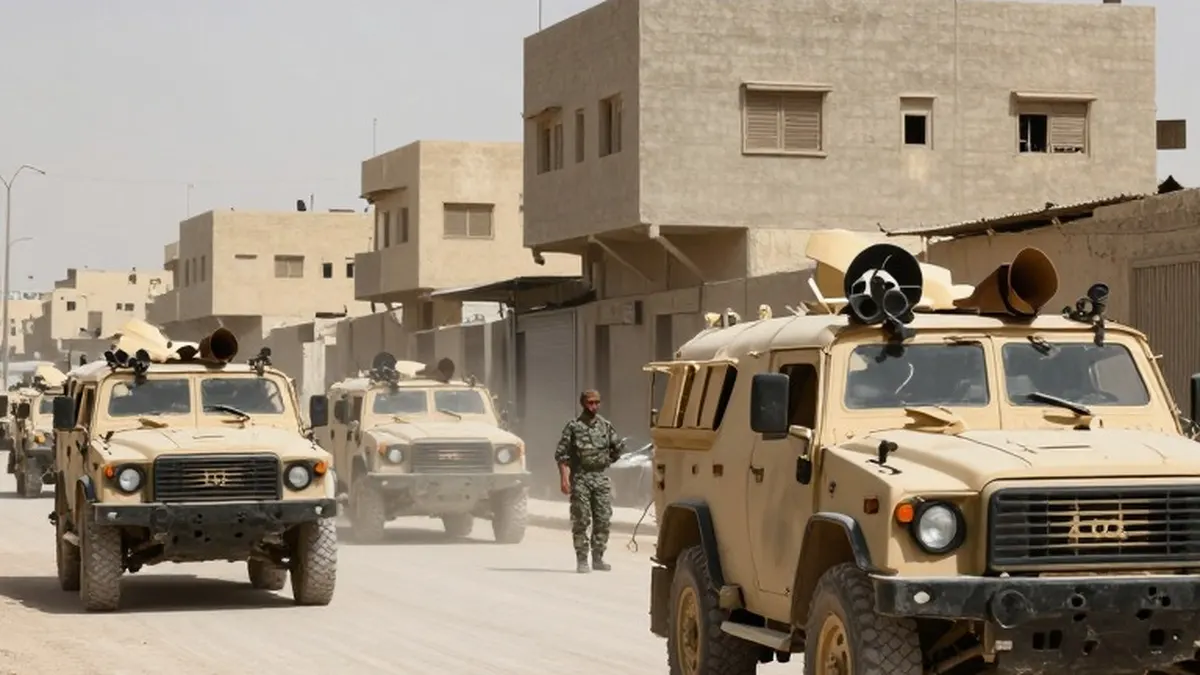
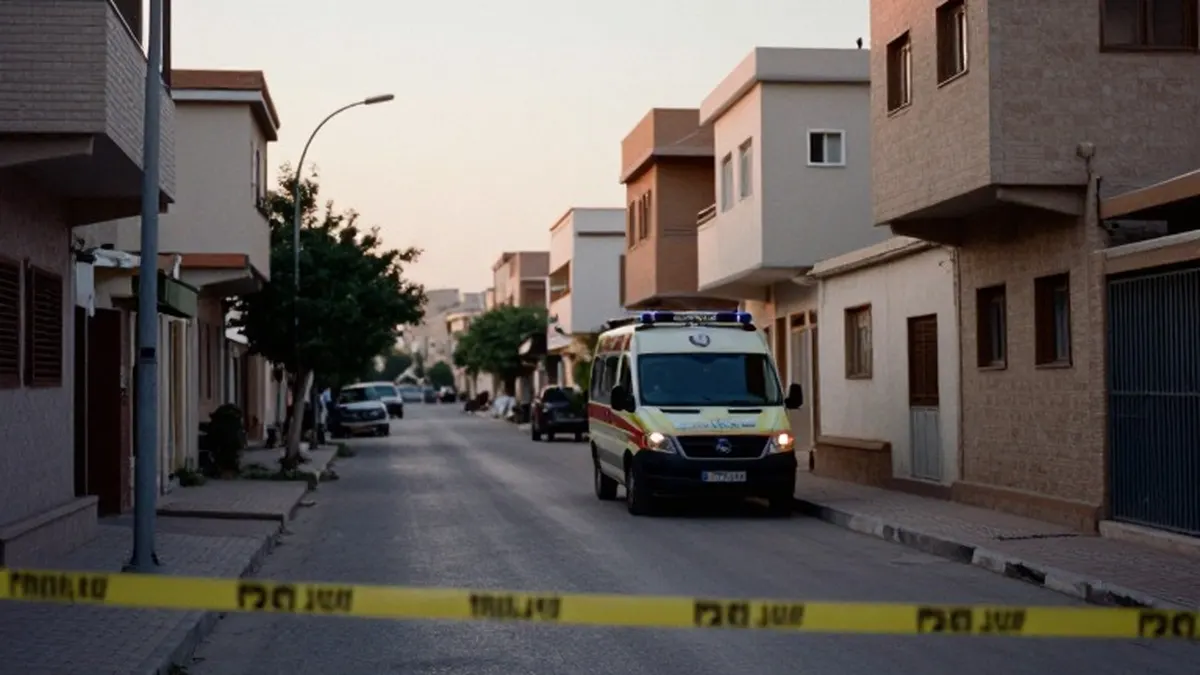
Iraqi security forces entered Jurf al-Sakhar on Friday, marking a significant deployment into the stronghold of the Kataib Hezbollah militia. State media reported that the move was executed under a compromise agreement brokered by Shi'ite politicians. The intervention aims to ease rising tensions with Iran's most powerful Shi'ite militia ally within Iraq.
The deployment follows orders issued earlier this week by Prime Minister Ali al-Zaidi. The prime minister directed security forces to prepare for action against Kataib Hezbollah after officials accused the group of operating an extensive oil smuggling network. This network allegedly siphoned state-owned oil valued at hundreds of millions of dollars.
Under the terms of the newly reached deal, members of Kataib Hezbollah are expected to withdraw from Jurf al-Sakhar to other locations across the country. Iraq, a major oil producer, maintains complex alliances with both the United States and Iran, making the situation politically sensitive. The location is in Babil province, situated approximately 50 kilometers south of Baghdad.
Kataib Hezbollah, which the United States has designated as a terrorist group, has rejected the accusations regarding oil smuggling. Despite these denials, an investigation focused on the area has already resulted in the dismissal of nine senior security and oil officials. The group continues to hold a semi-official status in Iraq, a dynamic that critics argue allows them to operate with a degree of impunity.
Direct confrontation with heavily armed militia allies of Iran carries significant risks for the Iraqi government. Five years ago, a similar crackdown ordered by a previous prime minister led to a drone strike on the leader's Baghdad home. Authorities at the time described the incident as an assassination attempt, highlighting the potential dangers of such operations.
US President Donald Trump has applied pressure on Prime Minister Zaidi to disarm the militias. These groups have attacked US troops and facilities in Saudi Arabia and the United Arab Emirates in solidarity with Tehran. These attacks followed US and Israeli strikes on Iran at the end of February. Despite the pressure, Kataib Hezbollah and other militias have refused to hand over their weapons to the state.
Kataib Hezbollah operates as a shadowy organization with no publicly announced leadership structure, yet it commands thousands of hardened fighters. The group forms several battalions within Iraq's Popular Mobilisation Forces. This armed grouping was established in 2014 to fight the Islamic State and was later recognized as an official security force.
Fighters in the Popular Mobilisation Forces receive state salaries, and members of Kataib Hezbollah, including some designated as terrorists by the US, occupy senior positions within the organization. Although the group is technically under the command of the prime minister, it often operates outside the standard chain of command. It has repeatedly defied government statements calling for an end to attacks on US forces.
The militia also maintains its own political party known as Huquq, which holds five seats in the legislature. An Iraqi official report indicated that the group generates revenue through various businesses, including construction, housing, trade, tourism, and currency exchange. Kataib Hezbollah denies these financial activities, stating that it is dedicated primarily to security matters.
Recent events have underscored the delicate balance of power. In August, Iraqi special forces arrested the intelligence chief of the Iran-aligned faction Harakat al-Nujaba on suspicion of involvement in drone attacks against US interests. The detention lasted 48 hours and triggered threats of retaliation. Senior Shi'ite politicians intervened to defuse the tension. A week later, four other militia members were arrested on similar allegations.