Iran Reports Destruction of US Radar in Bahrain After Port Strike
Iran claims to have destroyed a US radar in Bahrain in retaliation for a strike on the port town of Sirik, amid rising tensions and mixed diplomatic signals.
By Lorenzo Evans ·
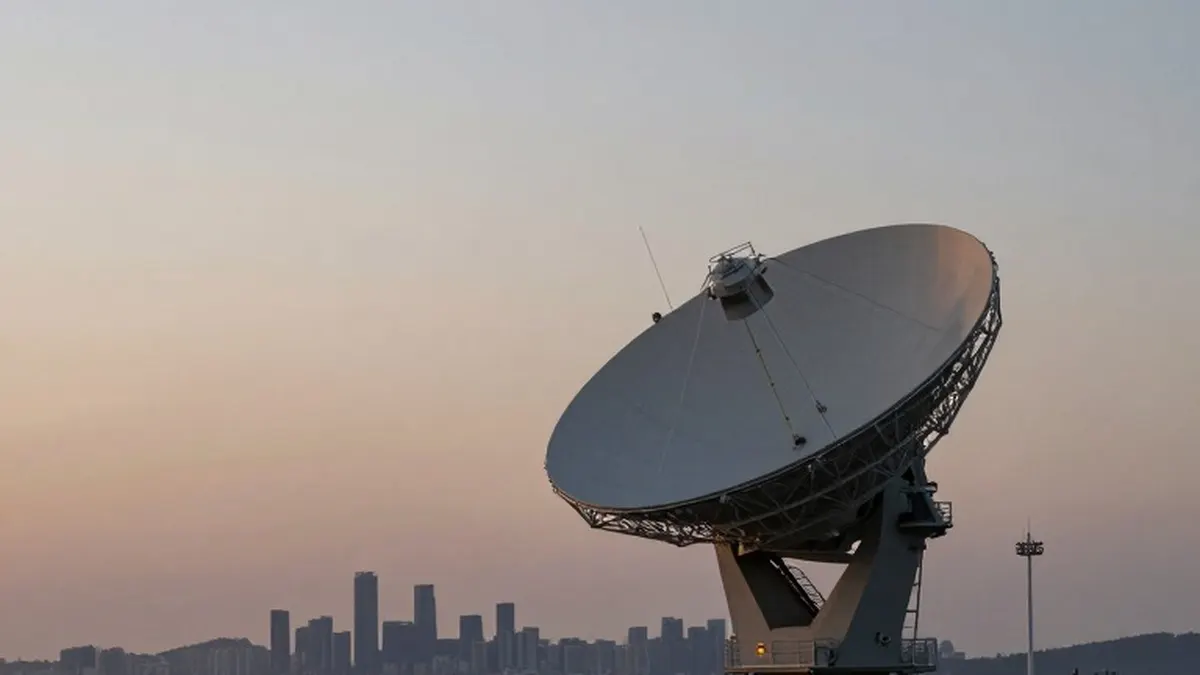
The Islamic Revolutionary Guards Corps of Iran announced on November 13 that it has destroyed a US military early-warning radar system located in Bahrain. The strike was described as a direct retaliation for an overnight air attack on the southern port town of Sirik, which is situated near the strategic Strait of Hormuz.
State media carried the claim, although the information has not yet been independently verified. Neither the US government in Washington nor the Bahraini government in Manama provided immediate comments regarding the incident.
In a formal statement, the IRGC stated that its Aerospace Force fighters targeted and destroyed the radar on the island of Bahrain. The force said the action was taken in response to what it called enemy air aggression against a telecommunications tower in Sirik. The IRGC characterized the strike as a serious warning to the aggressor enemy to cease its aerial provocations and oil smuggling activities in the Strait of Hormuz.
Earlier reports from the Iranian official news agency IRNA indicated that Sirik, located in Hormozgan Province, had been hit by an enemy strike. The agency did not name the specific attacker or provide details regarding the extent of damage or casualty figures. Notably, the IRGC statement did not explicitly blame the United States for the Sirik attack, despite the broader context of the conflict.
Sirik holds significant strategic importance as it sits on the Hormuz coast and hosts components of Iran's radar and communications network that monitor the waterway. The town has been a frequent target since the war commenced with US and Israeli strikes on February 28. Tehran has previously reported attacks on local telecommunications infrastructure and has responded by striking US facilities in Bahrain, which is home to the US Navy's Fifth Fleet.
This latest exchange of fire occurred just one day after US President Donald Trump declared that Washington no longer required an agreement with Tehran. On November 12, the President wrote on Truth Social that the days of seeking a deal with Iran had long since passed. He asserted that the US had secured billions of dollars in Iranian assets and control over the Strait.
In the same post, Trump stated that he had instructed Vice President JD Vance to focus his complete attention on corruption and crime in Democratic-run cities and states. This directive marked a shift from Vance's previous role, in which he spent months leading US efforts to secure a cease-fire and revive nuclear talks with Iran. The move followed a report by The Wall Street Journal that Vance was considering face-to-face talks with a senior Iranian security official.
Shayan Samii, a US-based national security analyst, told RFE/RL's Radio Farda that Trump appears to be pursuing a policy of neither war nor negotiation. Samii suggested that the President is attempting to achieve through economic pressure what military intervention might not bring, while keeping the option of intervention available. He noted that sidelining Vance indicated that the war file had been placed in the hands of Secretary of State Marco Rubio and Defense Secretary Pete Hegseth.
Samii also pointed to mixed messages from Tehran as a factor undermining the country's credibility. He highlighted the discrepancy between Foreign Minister Abbas Araqchi's statements about negotiating and security chief Mohsen Rezaei's insistence that there would be no talks until America accepted seven specific conditions. Rezaei's conditions include ending the US naval blockade, releasing frozen Iranian assets, and halting fighting on all fronts.
Tensions continue to rise around the Strait of Hormuz, which Iran has attempted to close since the early days of the war. On November 12, the Iranian army reported that two oil tankers caught fire after hitting naval mines in the eastern part of the strait. The vessels had entered a prohibited and unsafe zone. Separately, Iran's Assembly of Experts declared that withdrawal from the Nuclear Nonproliferation Treaty had become an unavoidable necessity, fueling debate about nuclear weapons development, a goal President Trump has repeatedly said he aims to prevent.