Israel Monitors Turkey's Expanding Military and Economic Role in Syria
Israeli intelligence agencies are tracking deepening ties between Turkey and Syria, with officials concerned about shifts in regional security dynamics and border stability.
By Khalid Khalil ·
Israeli security agencies, including the Military Intelligence Directorate and the Mossad, are closely observing the intensifying strategic partnership between Syrian President Ahmed al-Sharaa and Turkish President Recep Tayyip Erdogan. These heightened levels of cooperation have emerged alongside rising tensions over Israeli military operations in the southern part of the Syrian territory, according to security officials who briefed Walla on Thursday.
The diplomatic friction was recently highlighted by Turkish Foreign Minister Hakan Fidan. He accused Israel of supplying weapons to Druze groups in southern Syria, a move he described as laying the foundation for future military action. Fidan warned that such steps could trigger a wider regional confrontation.
Following a series of high-level diplomatic exchanges between Ankara and Damascus, the two governments officially announced the creation of a joint committee. This body is tasked with strengthening bilateral cooperation across various sectors.
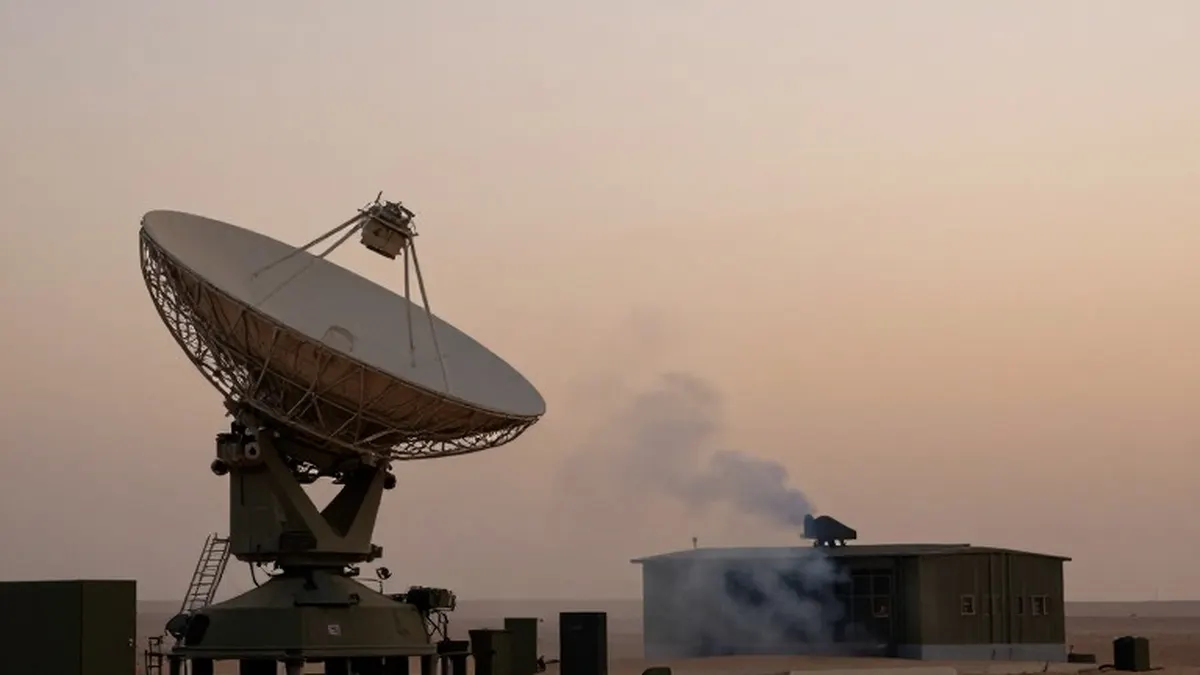
Within the Israel Defense Forces, there is significant concern regarding Turkey's potential military expansion in northern Syria. Officials fear that Ankara may attempt to install radar and air defense systems in the area. Such infrastructure could limit the operational freedom of the Israel Air Force in the region. A similar concern was addressed several months ago when the IAF reportedly struck a location where Turkey intended to build a military airbase, situated approximately 80 kilometers from the Turkish border.
Economic initiatives are also a focal point of Israeli analysis. Reports indicate that mine-clearing operations have commenced in Turkey's Gaziantep Province. These efforts are part of a plan to rehabilitate the historic Hejaz Railway, which would restore its connection to Aleppo Province in Syria. Israeli defense leaders view these moves as an attempt by Turkey to bypass Israeli ports and challenge the proposed India-Middle East-Europe Economic Corridor, thereby reasserting its role as a primary gateway to the Middle East.
Beyond military and economic spheres, Ankara and Damascus have outlined plans to deepen academic ties. This includes the establishment of a joint Turkish-Syrian university in Damascus, along with the creation of shared research institutes. Despite these diplomatic and academic advances, Turkey has not yet dismantled its military bases, outposts, and patrol positions in northern Syria, a point of contention for Damascus which seeks full sovereignty over its territory.
Israeli officials are also monitoring the potential expansion of the Mecca Joint Defense Agreement. This mutual defense pact was originally signed by Saudi Arabia, Turkey, and Pakistan on August 7. The Turkish parliament ratified the agreement on November 5. Recent reports from Arab media suggest that security coordination is deepening among Riyadh, Ankara, and Damascus, with Syria potentially joining the framework as part of a broader alliance of moderate Sunni states.
The Syrian-Jordanian border is considered a particularly sensitive area for Israeli security. Agreements between Jordan and Syria regarding a railway corridor that would connect Syria to Saudi Arabia through Jordan have been announced. This development coincides with Ankara's reported efforts to increase its involvement in the region. Israeli officials view any alteration to the regional security status quo as a long-term threat, citing risks such as weapons smuggling or the infiltration of radical Islamist groups into Israel via Jordan.
These concerns may necessitate the IDF to consider future troop reinforcements and adjustments to its operational deployment. Additionally, the defense establishment noted the recent visit of Bilal Erdogan, son of the Turkish president, to Beirut. This trip is seen as part of broader Turkish efforts to expand regional influence into Lebanon through economic initiatives.
Meanwhile, Turkey continues to advocate for its participation in the reconstruction of the Gaza Strip and the multinational force overseeing parts of the enclave. This push is occurring despite strong opposition from Israel. During a briefing with military and diplomatic correspondents on Monday, Israel's defense minister characterized President Sharaa as a highly sophisticated enemy, underscoring the complexity of the current strategic landscape.