Jordanian mosques transform ritual washing water into green oases
In arid Balqa, a mosque reuses ablution water to irrigate gardens, part of a broader national effort to combat severe water scarcity.
By Khalid Khalil ·
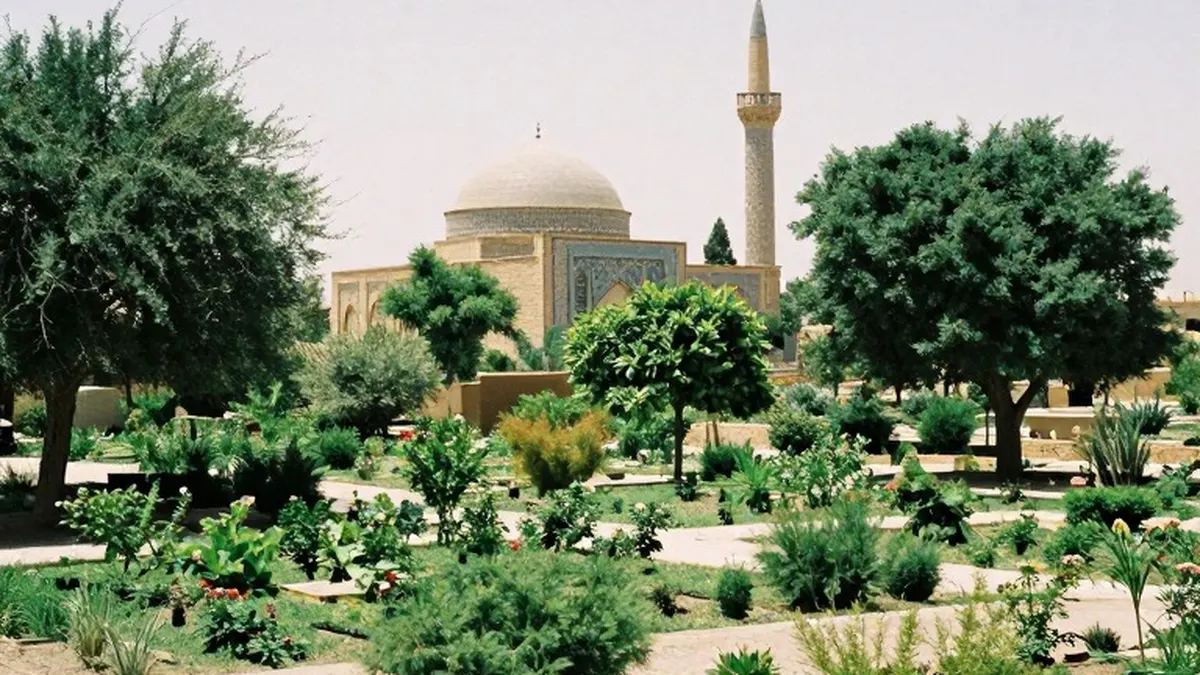
The Abu Obeida mosque in Deir Alla, located in the Balqa region west of Amman, sits within one of the hottest and driest parts of the Jordan valley. Despite the surrounding landscape of bare ochre hills, the site is encircled by a vibrant oasis of trees and flowerbeds. This greenery is sustained by drip irrigation lines running along the ground, utilizing water that would otherwise be discarded. The source of this irrigation is not the municipal network but the taps used by worshippers to wash their hands, faces, and feet before prayer.
This practice addresses a critical national issue. Jordan receives only 61 cubic metres of renewable fresh water per person annually, a figure that is less than one-eighth of the United Nations absolute water scarcity threshold of 500 cubic metres. Given that the country has a population of 11.3 million, nearly 11 million of whom are practising Muslims, the volume of water used for ritual washing, known as wudu, is significant. Municipal water is often rationed, with some areas receiving pipe delivery for as little as 12 hours a week, leaving households dependent on rooftop storage tanks.
Ahmed al-Rawsan, founder of the Jordanian Aqua Conservation Association, manages the water system at the Abu Obeida mosque. He notes that local residents understand the daily reality of water scarcity. The initiative aims to demonstrate that a mosque, which already teaches conservation as a religious value, can actively practise it. According to a 2025 peer-reviewed study, mosques worldwide use an estimated 22.5 million cubic metres of water for ablution each year. In Jordan alone, the Ministry of Awqaf reports more than 7,600 mosques.
The system at Abu Obeida has been in operation since 2008. Pipes beneath the ablution area transport used water to a treatment unit. Because no soap is used during wudu, the water contains no chemicals that complicate treatment. It is processed through natural sedimentation, passing through five layers of gravel and sand, before being redirected to irrigate the garden. A sign on the mosque wall, bearing the logo of the Ministry of Awqaf, highlights the project's goals of conserving water and improving the environment.
Expanding this model has proven challenging. The association took 18 years to reach 18 mosques and schools, facing financial, technical, and bureaucratic obstacles. A recurring question involved determining who was responsible for maintaining the system after installation, whether the imam or the caretaker. Without a clear assignment of duties, some systems lacked necessary upkeep. To address this, the association collaborated with the ministry to include water conservation in Friday sermons and organised seminars for preachers.
Mohammad al-Tawalbeh, a ministry spokesperson, stated that training programmes have reached 1,200 muezzins, 750 female preachers, 110 imams, and 28 technicians. Between 2017 and 2024, the ministry implemented rainwater harvesting in over 50 mosques. Currently, more than 35 mosques are using ablution water for irrigation and cleaning. Mu’tasim Sa’idan, a former minister of irrigation, noted that Jordan is a leader in water reuse, with approximately 150 million cubic metres of wastewater reused annually, 90 percent of which is directed to irrigation. However, he expressed scepticism about the potential volume of ablution water, stating that the quantities are not as large as often imagined.
Public awareness efforts have their limits. Abdullah Khaled, a worshipper in Amman, has frequently heard imams discuss the severe water shortage and the religious duty to ration usage. Yet, he observes that the message does not always translate into daily behaviour. He describes a common scenario where a person listens to a sermon about conservation on Friday, only to return home and leave a water tank overflowing or a tap running.