Japan Weighs Historic Shift in Potato Import Ban Amid US Trade Pressure
Japanese officials are actively evaluating the lifting of a 76-year ban on US potato imports, a move that has sparked strong opposition from domestic farmers concerned about pests and market competition.
By Khalid Khalil ·
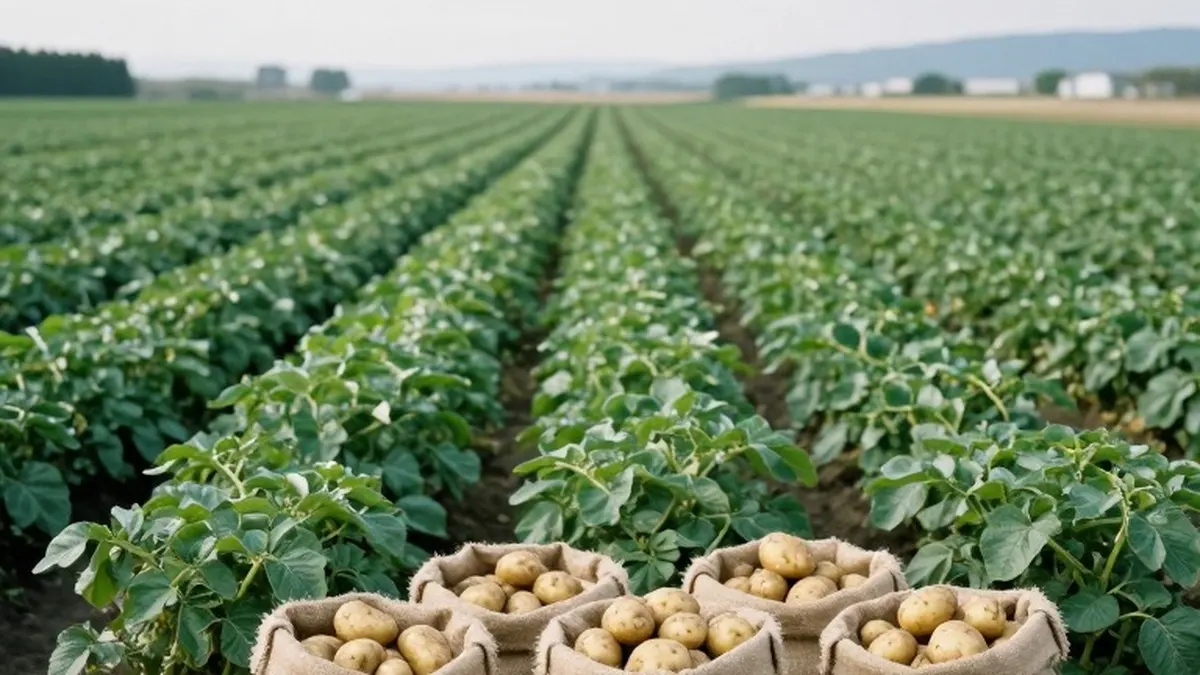
Japan is facing a significant agricultural dilemma as it considers lifting a long-standing ban on imports of raw potatoes from the United States. For the first time in 76 years, Tokyo may be forced to allow these imports due to intense pressure from US President Donald Trump. Although the proposal has not yet been officially confirmed, it has already triggered a wave of resistance from Japanese potato farmers who fear the move will harm their industry.
The US first requested the removal of the ban in 2020 during Trump’s first term, but Washington has recently increased the urgency of the issue. In March, US lawmakers urged the President to raise the matter during a scheduled meeting with Prime Minister Sanae Takaichi. Observers suggest that Tokyo is now seriously considering the request, potentially using it as a bargaining chip in the context of broader trade and tariff negotiations.
Japanese officials visited Washington DC in September to discuss the issue again. According to Japanese media, the Ministry of Agriculture, Forestry and Fisheries is currently moving forward with an assessment. The ministry is identifying potential problems, such as specific diseases and pests, and is seeking measures from the US side to mitigate these risks.
The ban on potato imports dates back to 1950, when post-war Japan relied on potatoes and sweet potatoes to prevent famine while rice was strictly rationed. To protect domestic fields from foreign infestations, the government established the prohibition. While Japan imports 60 percent of its total food supply, raw potatoes and rice have traditionally been the two staples kept under strict protection.
Potatoes hold deep cultural and historical significance in Japan, forming the base of popular dishes such as nikujaga, a simmered meat and potato stew, and jaga bata, a baked potato topped with butter. Since 2006, the only US potatoes allowed into the country are those used exclusively for making crisps. These imports must arrive in sealed containers and be processed in factories where they are cooked at high temperatures to eliminate any harmful pathogens.
The Agriculture Ministry has identified at least 21 potential pests and diseases that could infect Japanese crops if the ban is lifted. A primary concern is the cyst nematode, a tiny worm-like insect that damages potato roots and can persist in the soil for years. In 2015, these insects were discovered in parts of Hokkaido, the northern island that produces approximately 80 percent of Japan’s potatoes. Affected areas remain under restriction to this day.
Farmers are particularly anxious about the potential for a widespread recurrence of the 2015 infestation. Naohiro Makino, a farmer in Hokkaido, told the Asahi Shimbun newspaper in September that once these pests enter the soil, the land may be unable to support potato cultivation for more than a decade. He expressed his firm opposition, stating that he is fighting to protect the farmland that his ancestors safeguarded.
Pushback from agricultural cooperatives and farmers in Hokkaido and other regions has been substantial. They have submitted petitions to the Agriculture Ministry and held rallies to voice their concerns. One online briefing organized by the ministry attracted hundreds of farmers, with participants questioning the need for imports given that Japan is already self-sufficient in potato production.
Hokkaido Governor Naomichi Suzuki urged authorities on Monday to take a firm stance and defend Japan’s interests during the ongoing talks. He was speaking to Agriculture Minister Arata Takebe, who stated that negotiations with the US would only proceed after Japan had thoroughly discussed the scientific evidence. While officials have noted that Japan is obliged to consider the US request under international agreements, they have floated protection measures such as inspections, which many farmers remain skeptical about.
The governor expressed hope that the government would handle the talks in accordance with the farmers’ requests and the minister’s recent remarks. As the situation develops, the balance between international trade obligations and domestic agricultural protection remains a central point of contention.