Guinea-Bissau Military Rulers Push Back Elections to 2028
Transitional President Horta N'Tam has postponed the country's scheduled return to civilian rule by two years, citing insufficient resources for a credible vote.
By Evelyn Adeyemi ·
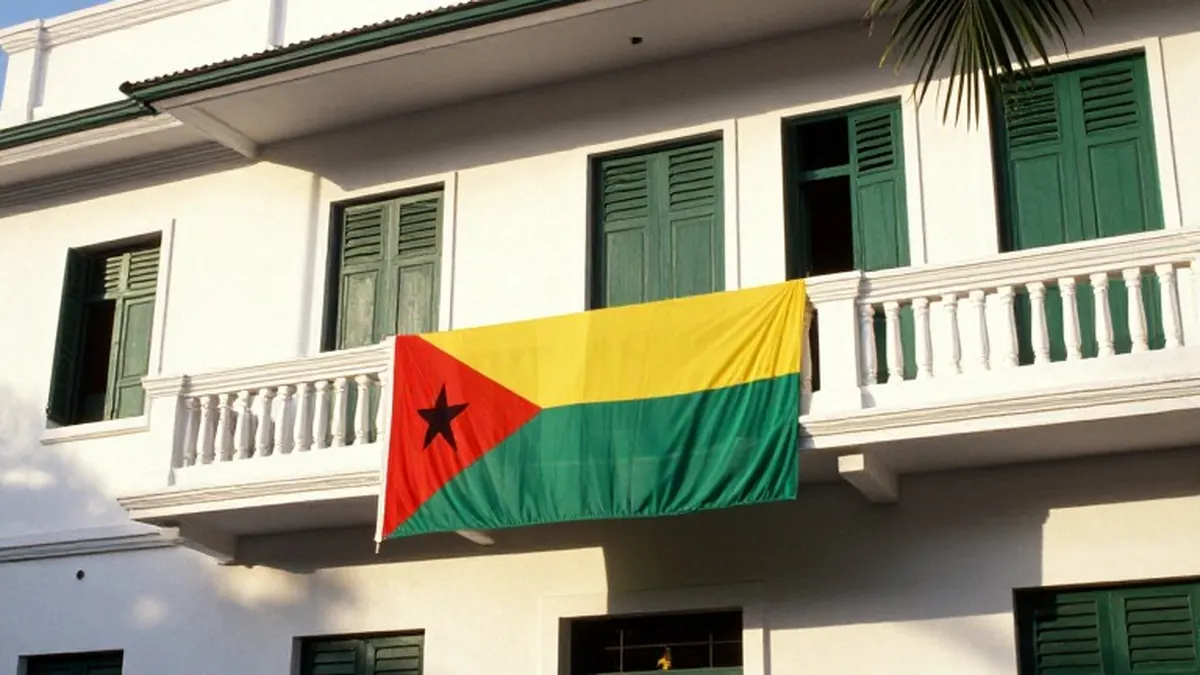
The military leadership of Guinea-Bissau has officially delayed the country's next presidential and parliamentary elections, pushing the date back to November 2028. This decision effectively extends the period of military rule by two years and postpones the transition back to civilian governance.
Transitional President General Horta N'Tam issued a decree announcing the change in schedule. The elections, which were originally set for 6 December 2026, are now scheduled to take place on 26 November 2028. This move marks a significant shift from the timeline previously established by the interim government.
The announcement carries particular weight as it arrives exactly one year after the military seized control of the nation. At the time of the takeover, the ruling junta had pledged to restore civilian authority within twelve months. The new timeline suggests that the initial promise of a rapid transition will not be met.
In a statement released by the presidency, officials explained that a recent review of electoral preparations revealed gaps in the necessary infrastructure. The assessment concluded that there were not enough technical, material, or financial conditions in place to hold the polls as originally planned. The delay is intended to allow for better organization and to ensure the process is viewed as credible, transparent, and inclusive, with equal opportunities for all candidates.
The presidency also reaffirmed its intention to conduct the country's first-ever local government elections. However, no specific date was provided for this additional vote, leaving the full scope of the electoral calendar partially undefined.
General Horta N'Tam assumed the role of transitional president just one day after the military overthrew President Umaro Sissoco Embaló in November 2025. The coup occurred during a period of high political tension, taking place just three days after general elections and one day before provisional results were expected to be released.
The path to the current military rule was marked by a dispute over the previous election results. Both President Embaló and his main rival, Fernando Dias, had claimed victory in the 2025 vote. Embaló, who has been living in exile in Morocco since the takeover, was recently barred from returning to Guinea-Bissau. He had expressed a desire to contest the upcoming elections, but the new timeline and his status abroad complicate his potential return.
This latest development adds to a long history of political instability in the West African nation. Since gaining independence from Portugal in 1974, Guinea-Bissau has endured multiple coups and attempted coups, making the 2028 election a critical test for the country's political future.