Greece and Israel Advance Negotiations for New Defense Deals
Greece and Israel are negotiating new defense deals worth up to 1 billion euros, focusing on electronic warfare systems, missiles, and the expansion of a joint pilot training center in Kalamata.
By Evelyn Adeyemi ·
Greece and Israel are currently engaged in advanced talks regarding a new series of defense agreements. These discussions could result in contracts worth up to 1 billion euros, according to a report published by the Greek newspaper Kathimerini on Saturday. The proposed deals cover a wide range of military equipment, including electronic warfare systems and long-range missiles, in addition to the expansion of a joint aviation training facility.
The current negotiations represent a significant step in the deepening military cooperation between the two nations. They follow the signing of the 3 billion euro Achilles Shield agreement in August. That deal secured the supply of a multilayered air defense system from Israel to Greece. The new talks indicate a continued desire to broaden the scope of their strategic partnership.
Although the timeframe before Greece's next general elections is considered short, the report suggests that some of these agreements may still be finalized before voters head to the polls. The three primary areas under active discussion involve the expansion of the International Flight Training Center in Kalamata, the acquisition of electronic warfare systems, and the potential purchase of long-range missiles.
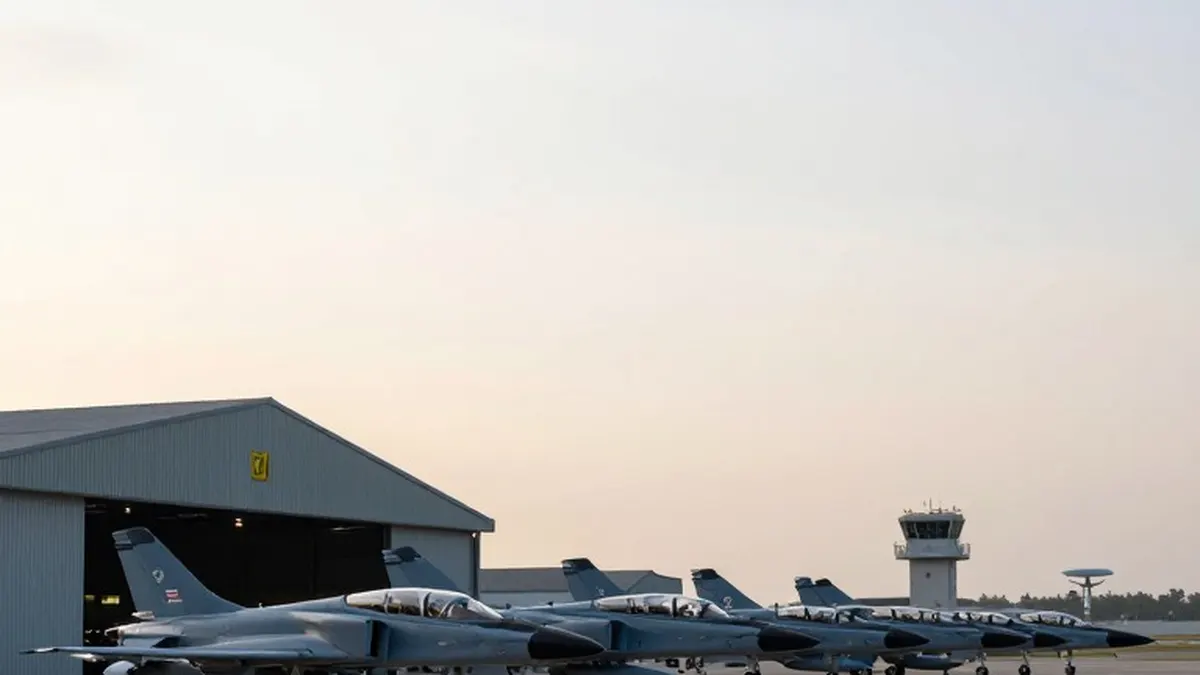
A central focus of the negotiations is the International Flight Training Center located at Kalamata Air Base. This facility operates within the grounds of the Hellenic Air Force's 120th Air Training Wing. It is managed by the Israeli defense company Elbit Systems under a 20-year agreement signed in 2021. This initial contract established a joint program for training Greek military pilots.
The training center has reportedly reached the limit of its current capacity. It currently provides approximately 7,000 training hours annually using T-6 turboprop aircraft and an additional 3,500 hours using M-346 advanced jet trainers. To increase these numbers, the facility would need additional aircraft, flight simulators, and more instructors, all of which require significant financial investment.
International demand for pilot training at the center has risen sharply. Several Arab countries are seeking access to available training slots. The United Arab Emirates has reportedly submitted a proposal that includes a multi-year commitment to train its own pilots at Kalamata. This growing interest has highlighted the need for infrastructure upgrades.
Despite the progress, two major disagreements remain between Athens and the Israeli side. The first concerns the allocation of additional training hours and the specific resources needed for expansion. The second involves the financial terms of the project. Greece is reportedly unwilling to contribute more than 50 million to 70 million euros, whereas the Israeli side initially proposed an investment of 280 million euros. Negotiations continue despite this substantial gap.
Greece has already committed more than 1.5 billion euros to the training center under the original 2021 agreement. This investment has become a central component of the expanding military relationship between the two countries. The potential purchase of LORA long-range missiles, manufactured by Israel Aerospace Industries, is also part of the broader package being discussed.
The second major area of negotiation focuses on enhancing the electronic warfare capabilities of the Greek Armed Forces. Discussions with Israeli authorities and defense companies are at an advanced stage. They primarily focus on electronic countermeasures and electronic counter-countermeasures. These capabilities allow military systems to disrupt hostile electronic activity while protecting their own communications and radar from interference.
Greece's interest in this technology comes amid significant advances in Turkey's electronic warfare capabilities. Athens views this as an important factor in its regional security environment. The Greek approach follows the model established under the Achilles Shield agreement. Greece aims to acquire Israeli systems and applications that can serve as a foundation for developing its own tailored solutions for the specific threats facing its armed forces.