Estonia Activates NATO Air Defense Response to Morning Drone Alert
Estonian authorities scrambled allied fighter jets, including Turkish aircraft, after warning of a potential drone incursion in the northeast of the country on the morning of November 21, 2026.
By Lorenzo Evans ·
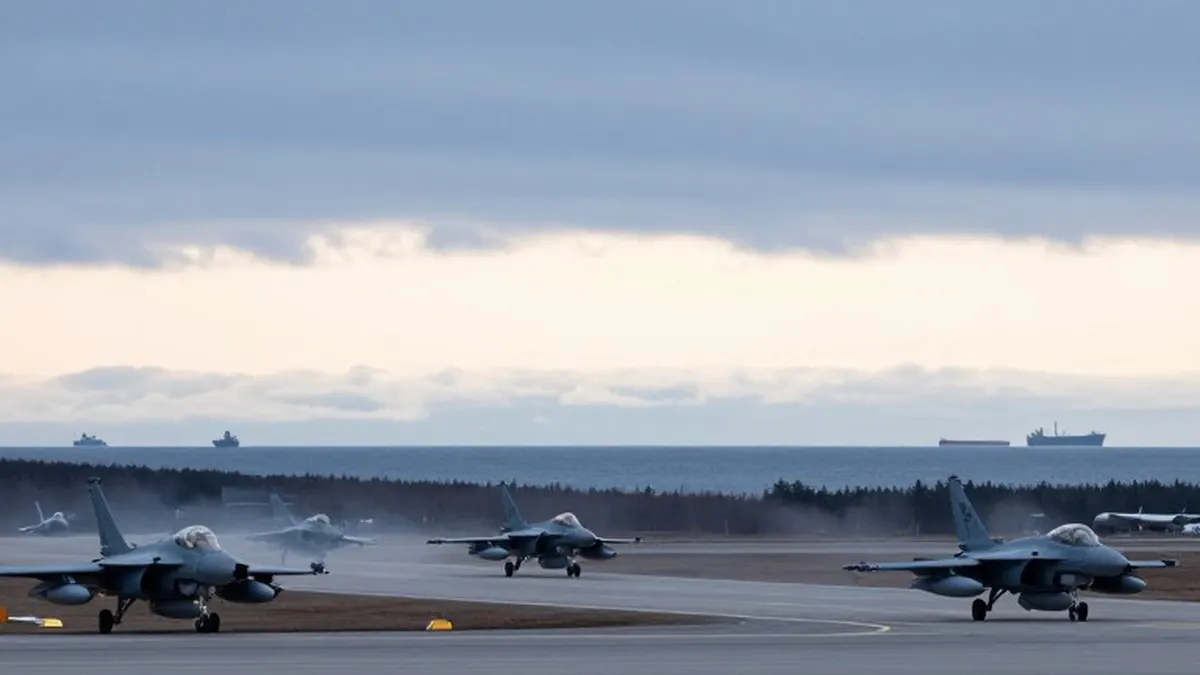
The Estonian Armed Forces issued an alert on the morning of November 21 regarding a possible drone threat affecting the Ida-Viru and Lääne-Viru counties. The warning prompted a rapid response from NATO partners, who placed fighter aircraft on alert to monitor the situation in the eastern part of the country.
At 04:42, the military formally reported the potential threat to the public. In a statement, the forces confirmed that aircraft from NATO allies were airborne, specifically noting the presence of Turkish fighter jets in the area to assist with the patrol and defense efforts.
Local residents in Lääne-Viru County provided corroborating accounts of the event. One resident reported hearing the distinct sound of a drone followed by the noise of a fighter jet at approximately 06:13. The auditory confirmation aligned with the timeline of the military response.
By 06:49, the Estonian Armed Forces announced that the aerial threat had been lifted. The military noted that there had been no reported violations of Estonian airspace during the alert period. The clearance of the threat allowed the temporary heightened state of readiness to subside.
The incident occurred while the Finnish Armed Forces had established temporary restricted zones for both shipping and aviation in the eastern section of the Gulf of Finland. These measures were also implemented on the morning of November 21 to manage traffic in the region.
The alert came during a period of heightened activity, including a Ukrainian drone attack on Russia's Leningrad Oblast. According to Russian media reports, more than 60 drones were shot down in that region overnight. This context suggests a broader pattern of drone activity in the Baltic and North Sea areas.
This event follows similar occurrences in the region just ten days earlier. On the night of November 10 and 11, residents of Estonia, Latvia, and Lithuania received warnings about the threat of drones entering their airspace. These warnings were issued amid a Ukrainian attack on the Russian port of Ust-Luga.
During the previous drone attacks near Estonia's borders, a significant number of drones were present in the area. Some of these unmanned aerial vehicles briefly entered Estonian airspace, resulting in confirmed violations. The recent alert reflects the continued vigilance required by Baltic nations in managing these threats.
Estonian Prime Minister Kristen Michal has previously stated that his country had not authorized the use of its airspace for drone flights. This position underscores the strategic importance of maintaining clear boundaries for aerial traffic in the region.
Ukraine's Foreign Ministry has dismissed Russian claims that Ukraine was using the airspace of the Baltic states to carry out drone strikes on Russian territory. The ministry characterized these claims as groundless, a stance that remains relevant as both sides navigate the complexities of the ongoing conflict in the region.