Hebron residents brace for demolition of permitted buildings in Palestinian-controlled zone
Israeli army demolition notices in Hebron's Area A have left residents anxious and legal experts questioning the precedent set by the orders.
By Khalid Khalil ·
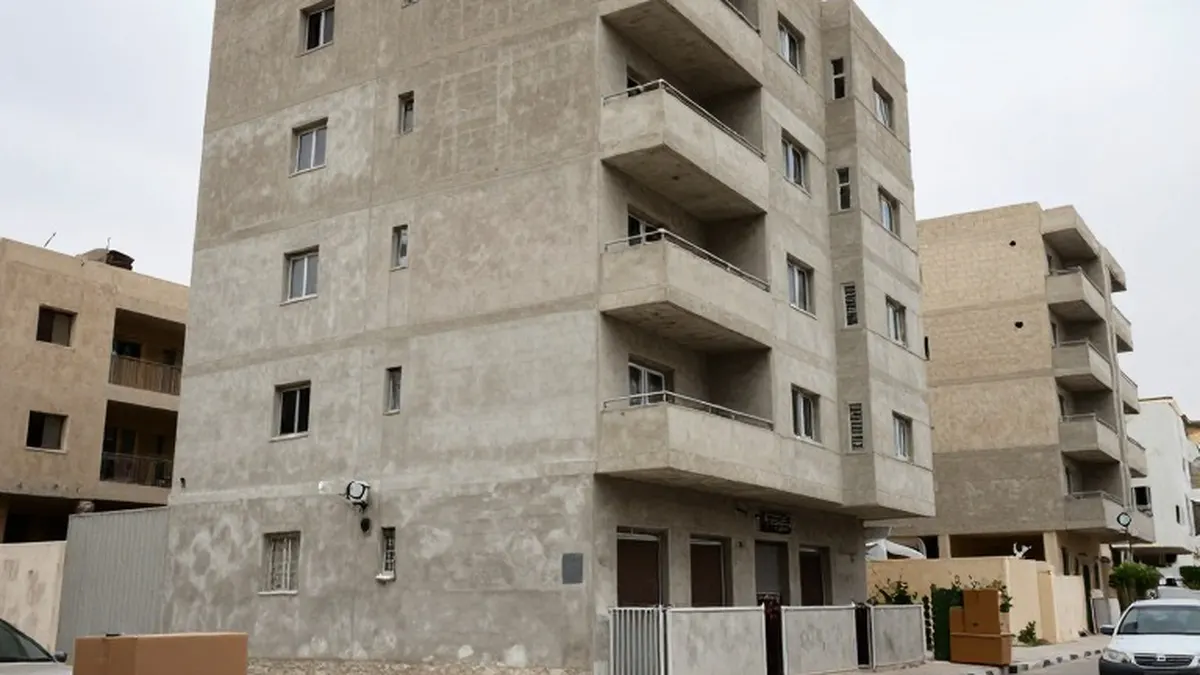
Residents of Hebron in the occupied West Bank are facing heightened anxiety after the Israeli army posted demolition notices on two residential structures in the Dairat al-Seer area. The orders, issued last Sunday morning, affect an eight-storey apartment complex built in 2013 and a private villa, both located in Area A of the city. Under the Oslo Accords, this zone remains under full Palestinian administrative and civil control, making the military intervention a significant point of contention for local families and officials.
The apartment building, constructed by Amjad al-Qawasmi at a cost exceeding 18 million shekels, contains 25 residential units. The second structure is a villa purchased by Samer Abu Hadid five years ago for an estimated three million dollars. Israeli authorities cited the proximity of these properties to a route known as Settler Road 35 as the primary justification for the orders. However, both buildings possess all necessary permits from the Hebron Municipality and the Palestinian Authority, challenging the legal basis for the demolition decisions.
Al-Qawasmi, who lives in the apartment building with his father and brother, expressed shock at the prospect of his investment being reduced to rubble so quickly. He noted that the economic climate has worsened the situation, as many buyers have yet to finish paying for their units due to salary cuts and the ongoing ban on most Palestinian workers entering Israel for employment. This ban has been in effect since the start of the war in Gaza in late 2023. Despite hiring legal representation to attempt a freeze on the orders, al-Qawasmi remains uncertain, stating that under occupation, anything is possible.
Abu Hadid described the moment soldiers entered his villa to serve the notice, which was based on security grounds. He questioned the practicality of having only one week to file a formal objection against a military decision. The villa, which houses his family of eight, stands on a 1,165 square meter plot. Like his neighbors, he is unsure whether to move out his furniture or wait, leading to a state of sleepless uncertainty for the affected households.
Families in both buildings have begun packing essential belongings into cardboard boxes in anticipation of a potential forced eviction. They remain worried about the fate of their larger possessions and furniture if they are not granted sufficient time to clear the apartments before demolition begins. This pervasive fear has created a tense atmosphere in the neighborhood, where residents are preparing for the worst while hoping for a legal reversal.
A report from the UN Office of the High Commissioner for Human Rights highlights the broader trend of structural targeting in the region. Between November 2024 and October 2025, Israel targeted 97 Palestinian structures in Area A through demolition or orders. This figure adds to the 46 structures affected in Area B, 1,390 in Area C, and 240 in occupied East Jerusalem. The data underscores the increasing frequency of such actions in areas designated for Palestinian control.
The Palestinian Commission Against the Wall and Settlements has documented 9,518 demolition or stop-construction notices between 2015 and the end of September 2026. Of these, 344 were issued in the first nine months of the current year. The Hebron governorate tops the list with 2,697 notices issued within the city, indicating a sustained pattern of pressure on local real estate and infrastructure.
Muammar al-Oweiwi, a member of the Hebron Municipal Council, stated that the recent notices set a concerning precedent by targeting Area A. He explained that the municipality is coordinating with property owners' lawyers to submit documentation and pursue legal procedures in Israeli courts. The legal team has requested an immediate stay of the orders and is seeking official confirmation that the demolitions are unlawful, though a response from Israeli authorities is still pending.
Al-Oweiwi argued that the justification regarding the proximity to settler roads is incorrect, as the structures are situated within residential neighborhoods. He warned that the actions strike a blow to the Palestinian investment and construction sectors, jeopardizing significant financial investments and undermining investor confidence. He described the situation as a policy of collective punishment designed to pressure Palestinians and erode trust in national institutions by encroaching on areas under Palestinian administration.