Israel to raise local bus fare to 10 shekels by mid-2027
Transportation Minister Miri Regev's policy shift will result in a two-step price increase, with the final fare reaching ten shekels by June 2027 despite earlier government subsidies.
By Khalid Khalil ·
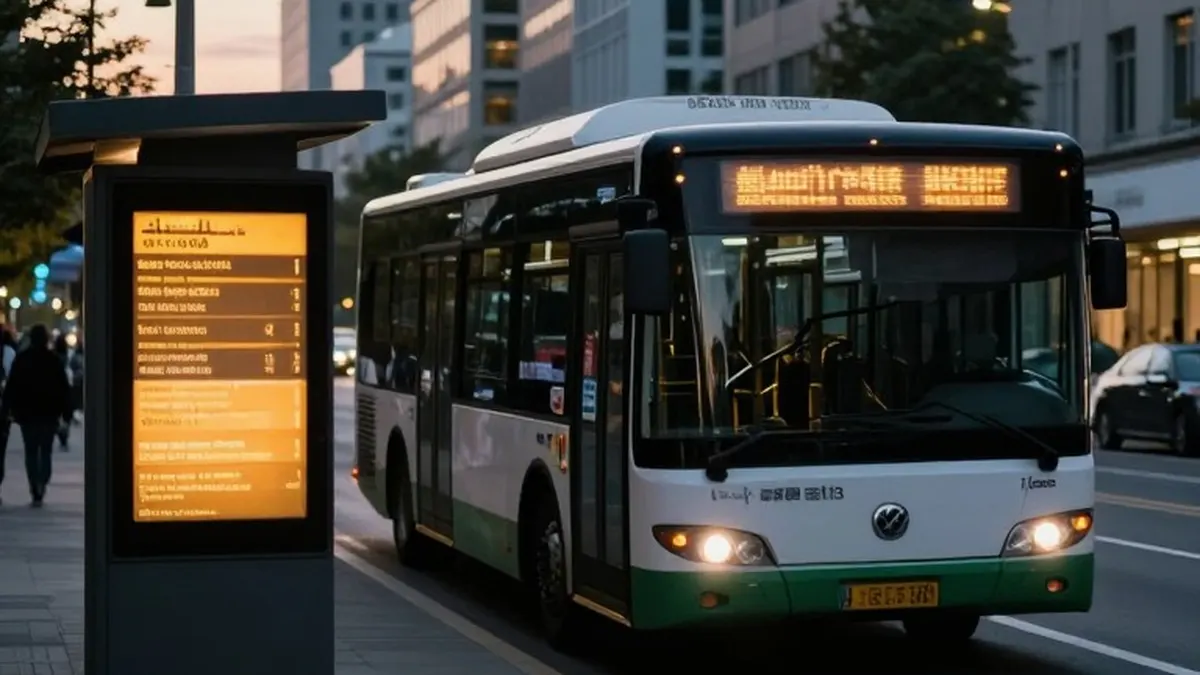
Public transportation costs in Israel are scheduled to rise significantly over the next year, with the standard fare for a local bus ride expected to reach ten shekels by June 2027. This update was reported by KAN News on Thursday, outlining a timeline that includes an intermediate price adjustment earlier in the year.
The price increase was originally planned for June 2026. However, the change was postponed at the request of Transportation Minister Miri Regev. The delay allowed the government to implement a 190 million shekel budget specifically designed to subsidize bus fares until January.
According to the report, the initial step in the new pricing structure will take effect on January 25. On that date, the fare is set to rise to nine shekels per ride. This increase is contingent on the government not providing an additional subsidy through its general budget.
The upcoming changes are a direct result of Regev's implementation of the Transportation Justice initiative. This policy framework was designed to provide discounted fares for specific groups while raising prices for others. The move has been controversial, as it alters the cost structure for a broad segment of the population.
The Finance Ministry had previously issued warnings to the Transportation Ministry regarding the financial implications of this initiative. Officials noted that the policy would lead to an overall increase in bus prices. Despite these cautions, Minister Regev maintained her stance and proceeded with the implementation of the new rules.
The fare hikes coincide with scrutiny of the minister's performance in other areas of her portfolio. Since returning to the Transportation and Road Safety Ministry on December 29, 2022, Regev has faced criticism for the trajectory of road safety in the country.
Statistics from 2024 and 2025 indicate that road accident fatalities reached a two-decade high. The data for 2026 suggests that the trend has not reversed, with only a slight decline observed so far. This minor improvement is largely attributed to a sharp drop in fatalities during March, a period when the country was in shelters and safe rooms during Operation Roaring Lion.
International bodies have also weighed in on the state of Israel's road safety. The European Transport Safety Council, or ETSC, provided evidence of what it described as a major failure in reducing deaths. At the end of 2025, the council announced it was suspending Israel's membership.
The ETSC stated that the government's measures were incompatible with the organization's fundamental commitment to saving lives. Consequently, the council formally ended Israel's participation in its Road Safety Performance Index program. There is currently no clear path for the country to rejoin the initiative.
Udi Etzion contributed to the reporting for this article.