Ben-Gurion University Students to Compete for 60 Megawatt Reactor Design
Forty students will create competing small modular reactor concepts for the Negev by 2029, aiming to build engineering capacity for Israel's potential nuclear energy transition.
By Khalid Khalil ·
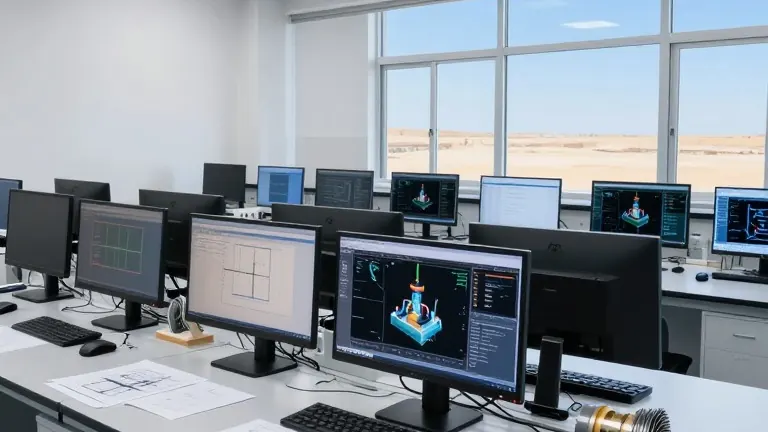
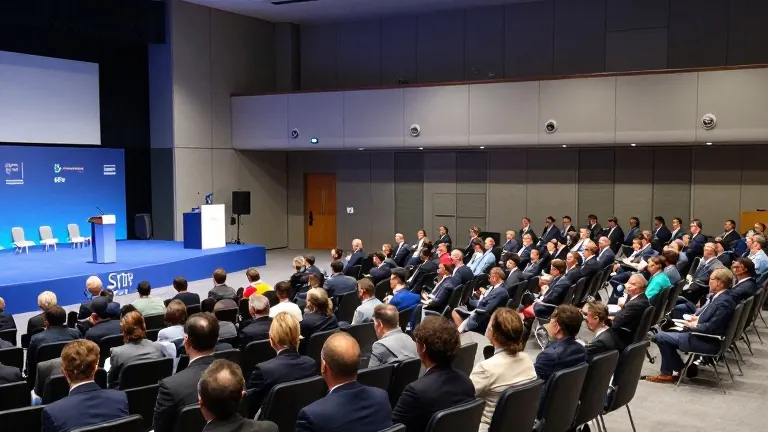
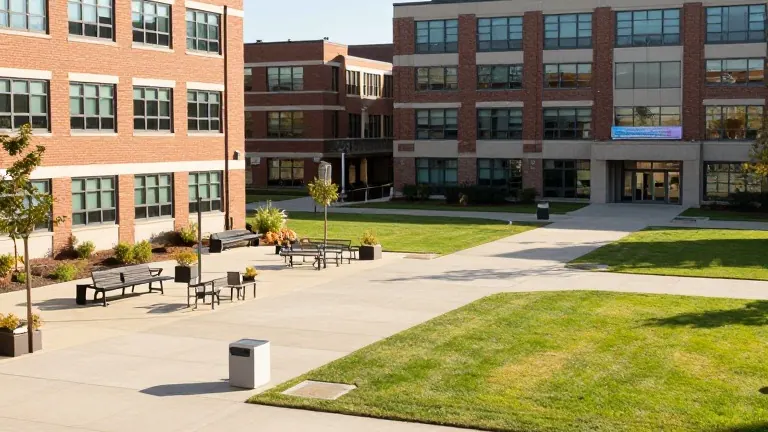
Ben-Gurion University of the Negev launched the BGU Nuclear Challenge on Thursday, a two-year academic competition where roughly 40 students will engineer competing designs for small modular nuclear reactors. The initiative coincides with the inauguration of the Klein Institute for Nuclear Science and Engineering and positions the university to train specialists as Israel evaluates nuclear power for its electrical grid.
The program assigns four teams, drawn from more than ten academic departments, the task of producing a reactor design capable of generating 60 megawatts of electricity. The reference site for all proposals is the Negev desert, and the designs may include systems for water desalination. Each team will investigate a distinct reactor technology to ensure a wide range of technical solutions, including pressurized water, liquid-metal-cooled, molten salt, and helium-cooled systems.
The university plans to select a winning design in May 2029, a date chosen to align with the institution's 60th anniversary. The project remains strictly academic; no physical reactor will be constructed, and no nuclear materials will be handled by the student teams. The selected design will be designated as BG-SMR-60 and will serve as a foundation for future academic research and development.
This effort addresses the structure of Israel's current energy supply, which relies on natural gas for over 70% of its electricity generation. The country has no electrical grid connections to neighboring nations, limiting its options for diversifying its power sources. The Ministry of Energy is currently examining nuclear power as a viable addition to the national energy mix, making the development of local engineering expertise a practical necessity for policymakers.
Prof. Erez Gilad, director of the Klein Institute and chair of BGU's Unit of Nuclear Engineering, stated that the primary goal is to build a generation of engineers who can inform Israel's nuclear future. He noted that the initiative aims to develop qualified specialists before major energy decisions are finalized, rather than focusing on immediate physical construction.
The timeline for the competition begins with preparatory work during the 2026/27 academic year. Formal recruitment and training for the students will start in the autumn of 2027. The teams will present their preliminary designs in the autumn of 2028, after which independent technical assessments will determine the viability and innovation of each proposal.
BGU's Unit of Nuclear Engineering is currently the only academic unit in Israel authorized to award degrees in nuclear engineering. Prof. Yaniv Gelbstein, the university rector, emphasized that the program combines engineering education with research that directly addresses national energy needs. He noted that while the reactor designs are important, the graduates produced by the program will be more significant for the country's long-term goals.