Expert warns Iran deal poses greater long-term risk to Israel than war
A Tel Aviv University professor argues that a diplomatic agreement with Tehran that fails to address core threats could create security challenges for future generations, especially as Iran escalates regional pressure following US midterm elections.
By Evelyn Adeyemi ·
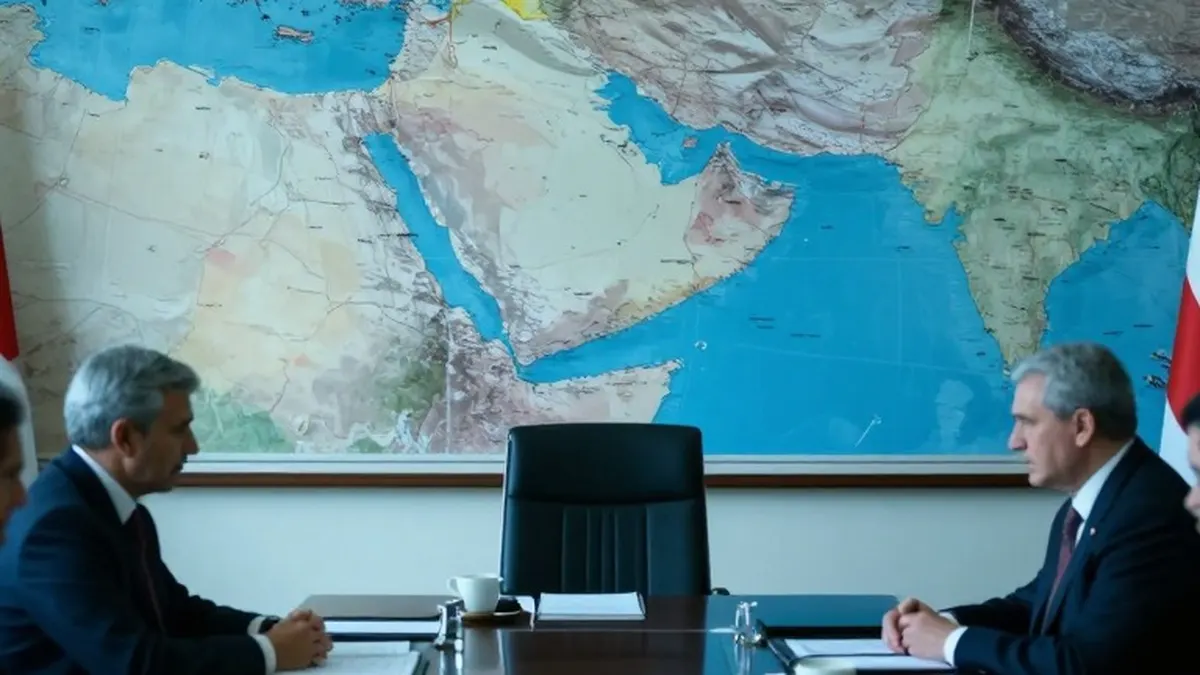
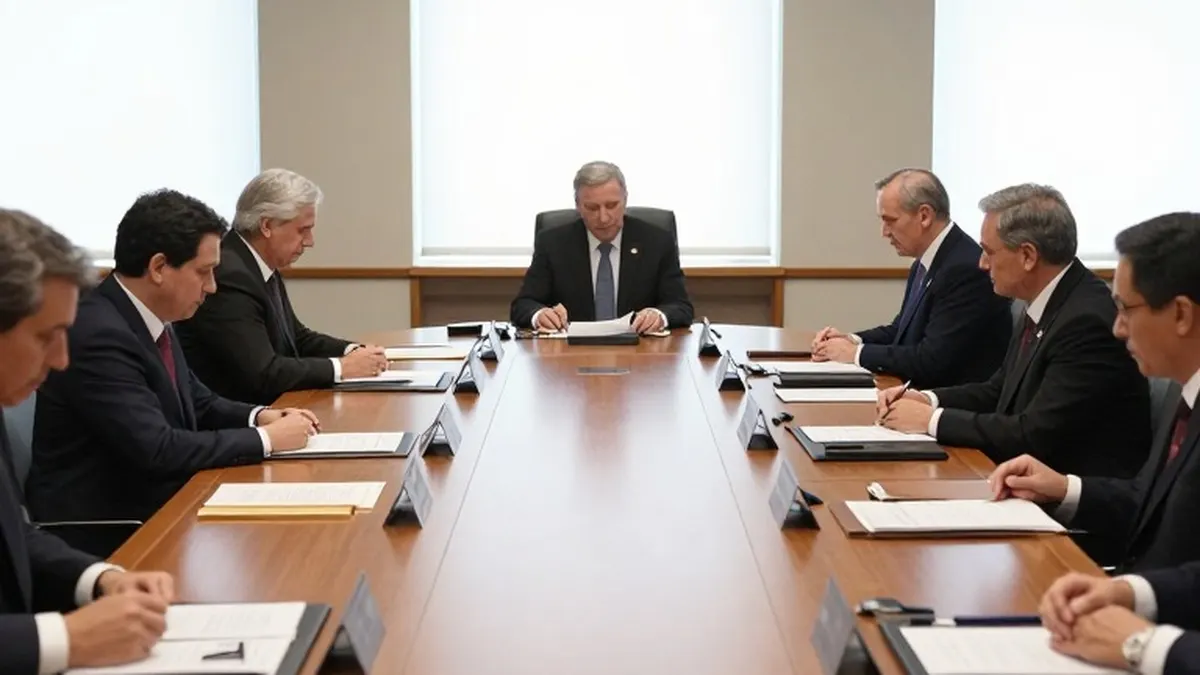
A senior academic at Tel Aviv University has cautioned that a diplomatic settlement with Iran might prove more damaging to Israel than a return to active military conflict. Prof. Uzi Rabi, a Middle East expert at the Moshe Dayan Center for Middle Eastern and African Studies, stated on Sunday that an agreement which overlooks Tehran's fundamental threats could generate security issues that persist for decades.
Speaking on 103FM, Rabi emphasized that while war is detrimental, a poorly constructed peace deal is worse. He argued that such an outcome creates an unsolvable problem for future generations, a concept he found difficult for the public to grasp. He described the situation as a critical failure of understanding regarding the long-term implications of diplomacy in the region.
The expert noted that Iran has shifted to a more aggressive regional strategy since the US midterm elections on November 3. Rabi explained that Tehran interpreted the Republican Party losses as a sign that President Donald Trump's political standing had weakened. Consequently, Iranian forces have moved to a level of confrontation just short of full war, launching strikes in various locations.
Specific attacks on Bahrain and Kuwait were cited as examples of Tehran's efforts to pressure Gulf states. Rabi suggested these strikes were intended to demonstrate to regional partners what might happen if Trump initiated a new war against Iran. These recent incidents have heightened concerns about broader escalation in the Persian Gulf, particularly because they targeted military facilities, including a base in Kuwait that hosts American troops.
Rabi observed that Iranian leaders view the US president as a wounded lion. They believe his political power has been clipped by the election results, yet they acknowledge he still possesses the military capacity to order strikes. This perception drives Tehran to pressure Washington to avoid further conflict while simultaneously preparing for potential engagement.
Diplomatic efforts are currently underway to manage these tensions. Rabi highlighted the involvement of Qatar and Pakistan in shuttle diplomacy aimed at preventing another major confrontation. He noted that these negotiations occur alongside Iranian threats and precautionary moves by its leadership, such as moving senior officials to military bases.
The assessment suggests that Iran's primary fear is not the destruction of infrastructure or economic hardship, but the collapse of the Islamic Republic itself. Rabi argued that Tehran can withstand difficult economic conditions and damaged infrastructure, but it cannot risk losing political power. This focus on regime survival complicates efforts to secure concessions through pressure or sanctions.
Rabi warned that Trump faces a critical decision in the coming weeks that will define his legacy and impact Israel's security. He urged the US president to prioritize long-term strategic interests over short-term political considerations. If Washington pursues a deal that does not adequately limit Iran's nuclear and military capabilities, the consequences could be severe.
The professor cautioned that Israel may eventually find itself dealing with Iran without decisive American support. He warned that after Israel resolves its internal disputes, it may realize it has been focusing on minor issues while the major threat remained. He insisted that Iran must remain the top priority on the national security agenda, regardless of which party forms the next Israeli government.